THE ADVENTURE COLLECTIVE® · Independent discovery and booking for outdoor travel

Trace Kona coffee from cherry to cup on a 1–2 hour farm tour that pairs volcanic geology with hands-on milling and roasting demos. Learn how small-lot grading and on-site roasting shape the flavor you taste in the tasting room.
Trace Kona coffee from cherry to cup on a 1–2 hour farm tour that pairs volcanic geology with hands-on milling and roasting demos. Learn how small-lot grading and on-site roasting shape the flavor you taste in the tasting room.
Morning light filters through low-branching coffee trees as the warm Kona breeze nudges the leaves; a guide gestures toward clusters of cherries ripening like tiny lanterns against the volcanic dark. Visitors begin beneath shade and quickly feel how the land itself participates—soil holding daytime heat, trade winds pushing scents toward the tasting room.
Verified experiences and guided adventures in the surrounding area.
Operated by Bay View Farm · Kailua-Kona, Hawaii
Morning light filters through low-branching coffee trees as the warm Kona breeze nudges the leaves; a guide gestures toward clusters of cherries ripening like tiny lanterns against the volcanic dark. Visitors begin beneath shade and quickly feel how the land itself participates—soil holding daytime heat, trade winds pushing scents toward the tasting room.
Kona coffee’s story is geological and cultural: trees planted on old aā and pāhoehoe flows, their roots sinking into mineral-rich ash that helps produce the coffee’s bright acidity and clean finish. The industry grew with 19th- and 20th-century immigrant labor—Japanese, Filipino and others—who shaped farm practices still visible on small lots and mill patios. At Bayview, practical machines meet old methods: wet-processing tanks, gravity tables for grading, and sun-drying patios that rely on clear island weather.
The tour walks you through each stage—harvest, wet processing, hulling, roasting—and ends in a tasting room where freshly roasted cups show the difference between lot and roast. Expect a mix of sensory detail and technical explanation: how elevation and shade affect flavor, why pests and humidity are persistent challenges, and what USDA classification means for price and quality.
Practical guidance: the tour runs about 1–2 hours, mostly flat walking on farm paths and hardened patios—closed-toe shoes recommended. Bring sun protection and water; tours are best in the morning when drying and milling are active. Leave room in your bag: small farms often sell limited roast dates you won’t find elsewhere.
easy.
1–2 hours.
Suitable for most fitness levels; requires standing and walking short, mostly flat farm paths.
Tours run approximately 1–2 hours and include a walk through the farm, mill, and a tasting session in the roasting room.
Yes—paths are mostly flat and the tour is rated easy, though some standing and short walks on uneven surfaces are required.
Kona harvest typically peaks from August through January; wet processing and drying are most active then, so check tour timing for harvest demonstrations.
Yes—most farms sell freshly roasted bags and limited small-lot coffees that may not be available elsewhere.
Kona coffee began with 19th-century plantings on volcanic slopes and expanded with immigrant labor; small family plots and unique microclimates produce the region’s signature beans.
Water management, pest control, and invasive species are ongoing concerns; choosing direct-from-farm purchases supports small producers and local stewardship.
Bay View Farm operates guided outdoor trips and adventures with an emphasis on safety, stewardship, and memorable experiences.
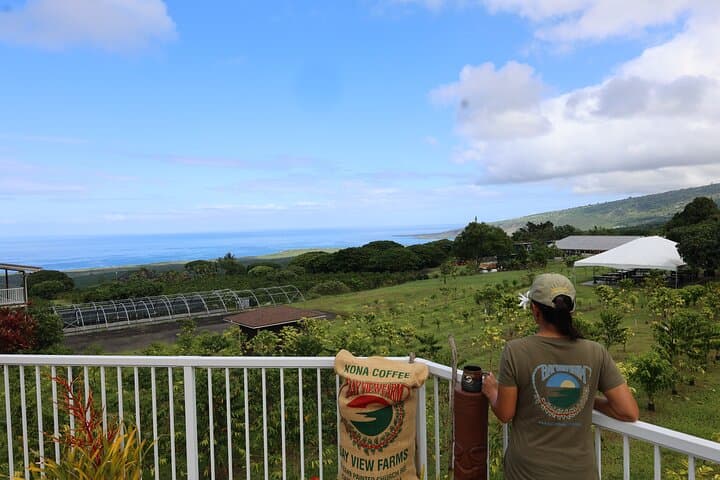
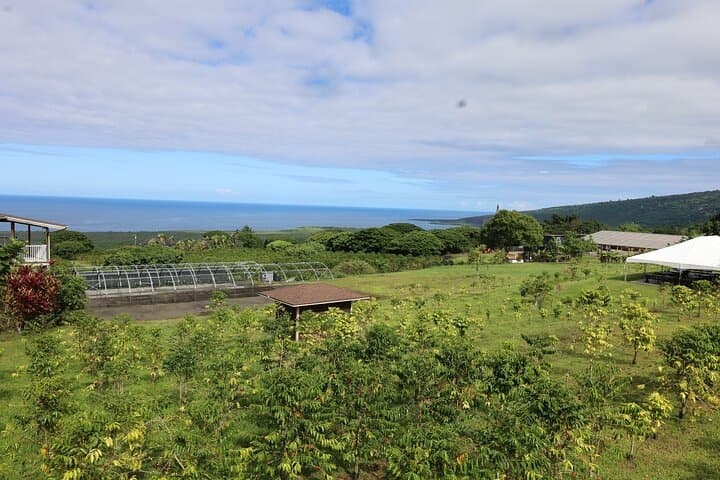
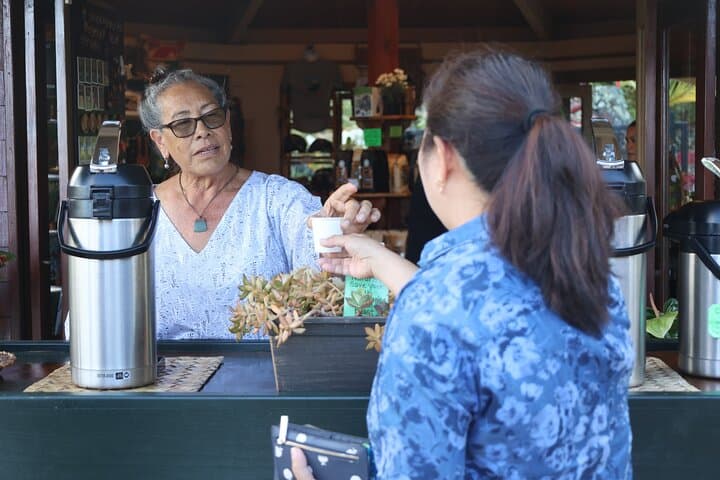
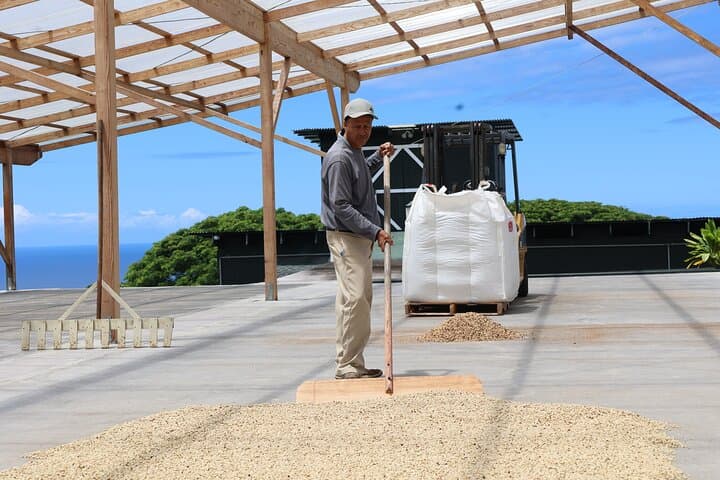
Morning light filters through low-branching coffee trees as the warm Kona breeze nudges the leaves; a guide gestures toward clusters of cherries ripening like tiny lanterns against the volcanic dark. Visitors begin beneath shade and quickly feel how the land itself participates—soil holding daytime heat, trade winds pushing scents toward the tasting room.
Morning light filters through low-branching coffee trees as the warm Kona breeze nudges the leaves; a guide gestures toward clusters of cherries ripening like tiny lanterns against the volcanic dark. Visitors begin beneath shade and quickly feel how the land itself participates—soil holding daytime heat, trade winds pushing scents toward the tasting room.
Kona coffee’s story is geological and cultural: trees planted on old aā and pāhoehoe flows, their roots sinking into mineral-rich ash that helps produce the coffee’s bright acidity and clean finish. The industry grew with 19th- and 20th-century immigrant labor—Japanese, Filipino and others—who shaped farm practices still visible on small lots and mill patios. At Bayview, practical machines meet old methods: wet-processing tanks, gravity tables for grading, and sun-drying patios that rely on clear island weather.
The tour walks you through each stage—harvest, wet processing, hulling, roasting—and ends in a tasting room where freshly roasted cups show the difference between lot and roast. Expect a mix of sensory detail and technical explanation: how elevation and shade affect flavor, why pests and humidity are persistent challenges, and what USDA classification means for price and quality.
Practical guidance: the tour runs about 1–2 hours, mostly flat walking on farm paths and hardened patios—closed-toe shoes recommended. Bring sun protection and water; tours are best in the morning when drying and milling are active. Leave room in your bag: small farms often sell limited roast dates you won’t find elsewhere.