THE ADVENTURE COLLECTIVE® · Independent discovery and booking for outdoor travel

Board the Kona Cowboy for six hours of blue-water fishing off Kailua‑Kona. With IGFA‑certified tackle, an experienced captain, and targeted runs for marlin, mahi and tuna, this private charter suits families and serious anglers alike.
Board the Kona Cowboy for six hours of blue-water fishing off Kailua‑Kona. With IGFA‑certified tackle, an experienced captain, and targeted runs for marlin, mahi and tuna, this private charter suits families and serious anglers alike.
The water near Kailua-Kona opens like a hard, blue promise. As the Kona Cowboy pushes away from Finger Pier J-8, trade winds ruffle the surface and the island’s black lava silhouette slides astern. Sea spray tastes of salt and sun; crew callouts ripple over the deck as gear is readied and lines baited. For six hours Capt. Gaige and his small team will put the boat where the current, the thermocline, and the fish want to meet you.
Verified experiences and guided adventures in the surrounding area.
Operated by Kona Cowboy Sport Fishing · Kailua-Kona, Hawaii
The water near Kailua-Kona opens like a hard, blue promise. As the Kona Cowboy pushes away from Finger Pier J-8, trade winds ruffle the surface and the island’s black lava silhouette slides astern. Sea spray tastes of salt and sun; crew callouts ripple over the deck as gear is readied and lines baited. For six hours Capt. Gaige and his small team will put the boat where the current, the thermocline, and the fish want to meet you.
This stretch of the Kona coast has been a productive corridor for pelagic species for centuries—first for Native Hawaiian voyagers who read currents and stars, and later for sport fishermen drawn to these abrupt deep-water drop-offs. Geologically, the seabed falls away quickly from the shoreline; deep channels and underwater ledges attract baitfish and, in turn, predators like Blue Marlin and Yellowfin Tuna. That vertical relief, combined with Kona’s consistent winds and clear water, creates predictable hunting grounds that anglers prize.
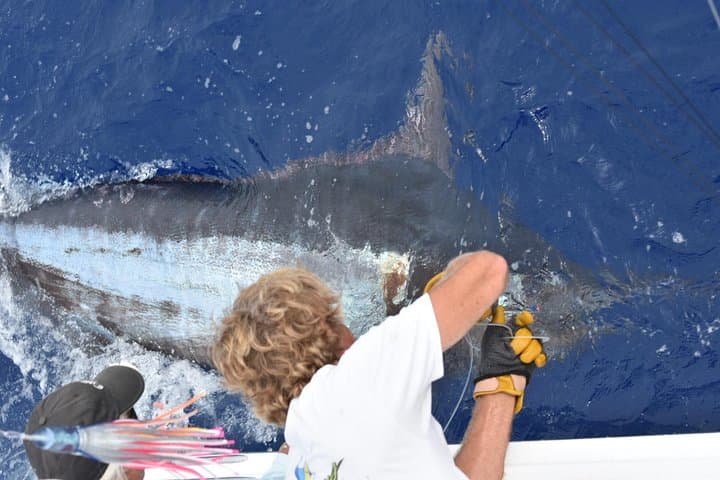
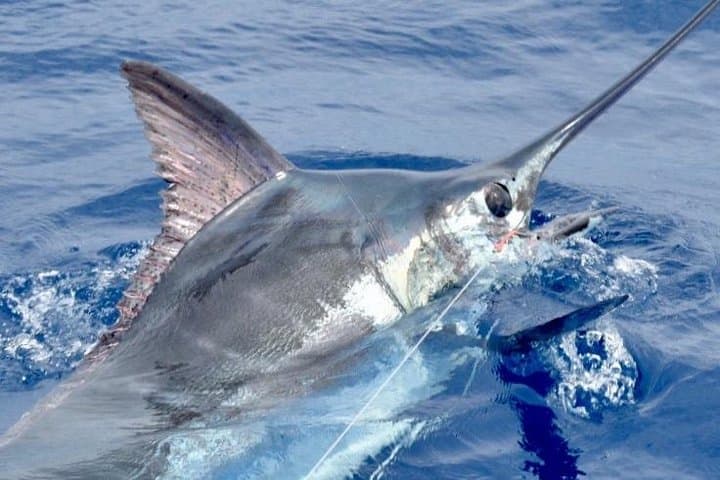
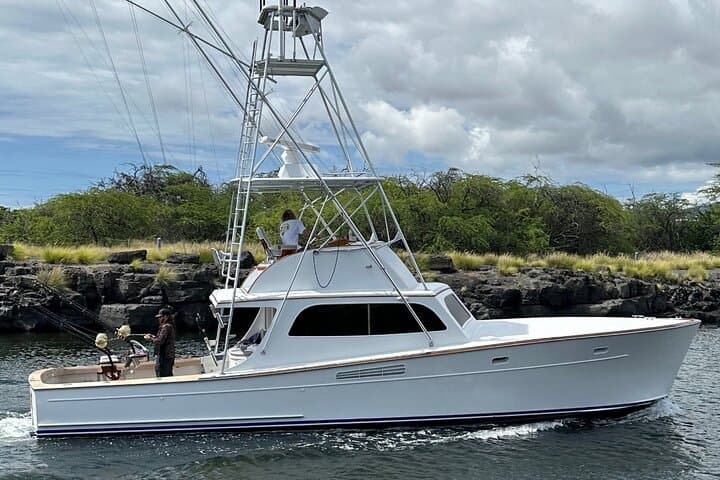
The charter is meant to be both accessible and serious. The Kona Cowboy is a 35-foot Bertram configured for comfort and fight: room for up to four anglers, IGFA-certified tackle, and a crew that will stand by through the long hauls. Targets include Blue Marlin, Mahi Mahi, Yellowfin Tuna and seasonal visitors like ono. It’s private by design—your group sets the tone, whether that’s family fishing for dinner or chasing a bucket-list marlin.
Local culture carries onto the water. Captains here respect Hawaiian fishing practices and state regulations; catch-and-release is common for trophy fish, and the crew often points out seasonal behaviors, like where spinner dolphins run or where mahi-mahi gather around drifting Sargassum.
Plan practically: expect six hours aboard with trolling from the harbor out to deep water. The crew provides rods, reels, tackle and a cooler with ice—bring snacks, your favorite drinks, and a hunger for sun. Seasickness is the most common trip-ender, so preempt with medication or wristbands. Footwear should be non-marking and secure; even calm mornings can produce a quick roll offshore. If you’re angling for a marlin, be ready for long periods of standing and surges of heavy, technical effort—your crew will coach technique and handle the boat when it matters.
Timing matters: early departures take advantage of flat water and morning light; afternoon runs can find different currents and schools. Respect local rules on size and bag limits, and consider release for larger billfish to support the fishery.
By the last leg back toward the pier, you’ll read the horizon differently—more aware of the currents, keener on the shadow of birds on the water, and maybe still gripping a bit of line from a fought fight. That’s the practical payoff of a Kona day at sea: it’s memorable, teachable, and built around the rhythms of an ocean that never stops moving.
moderate.
6 hours.
Suitable for most fitness levels but expect periods of standing and heavy physical effort when fighting large fish; basic stamina and core strength help.
No—this is a guided private charter and the crew provides all gear and instruction; anglers of all ages and skill levels are welcome.
Common targets include Blue Marlin, Mahi Mahi, Yellowfin Tuna and seasonal varieties; specific catches depend on ocean conditions and season.
The captain supplies a cooler with ice; guests should bring snacks and any preferred beverages—the operator asks you bring your own food and drink.
The 35' Bertram accommodates up to four anglers for a private charter.
Full refunds are issued for cancellations at least 24 hours before departure; trips may be canceled for bad weather.
Yes—this operator notes stroller and wheelchair accessibility for harbor access and provides an experience suitable for varied physical abilities, though open-water movement can require balance.
Kona’s offshore waters have long been navigated by Native Hawaiian fishermen and later became a center for sportfishing when anglers discovered the region’s abrupt drop-offs and consistent pelagic populations.
Captains commonly practice catch-and-release for trophy billfish and follow state bag and size limits; responsible angling helps sustain Kona’s fish populations and tourism fishery.
Kona Cowboy Sport Fishing operates guided outdoor trips and adventures with an emphasis on safety, stewardship, and memorable experiences.
The water near Kailua-Kona opens like a hard, blue promise. As the Kona Cowboy pushes away from Finger Pier J-8, trade winds ruffle the surface and the island’s black lava silhouette slides astern. Sea spray tastes of salt and sun; crew callouts ripple over the deck as gear is readied and lines baited. For six hours Capt. Gaige and his small team will put the boat where the current, the thermocline, and the fish want to meet you.
The water near Kailua-Kona opens like a hard, blue promise. As the Kona Cowboy pushes away from Finger Pier J-8, trade winds ruffle the surface and the island’s black lava silhouette slides astern. Sea spray tastes of salt and sun; crew callouts ripple over the deck as gear is readied and lines baited. For six hours Capt. Gaige and his small team will put the boat where the current, the thermocline, and the fish want to meet you.
This stretch of the Kona coast has been a productive corridor for pelagic species for centuries—first for Native Hawaiian voyagers who read currents and stars, and later for sport fishermen drawn to these abrupt deep-water drop-offs. Geologically, the seabed falls away quickly from the shoreline; deep channels and underwater ledges attract baitfish and, in turn, predators like Blue Marlin and Yellowfin Tuna. That vertical relief, combined with Kona’s consistent winds and clear water, creates predictable hunting grounds that anglers prize.
The charter is meant to be both accessible and serious. The Kona Cowboy is a 35-foot Bertram configured for comfort and fight: room for up to four anglers, IGFA-certified tackle, and a crew that will stand by through the long hauls. Targets include Blue Marlin, Mahi Mahi, Yellowfin Tuna and seasonal visitors like ono. It’s private by design—your group sets the tone, whether that’s family fishing for dinner or chasing a bucket-list marlin.
Local culture carries onto the water. Captains here respect Hawaiian fishing practices and state regulations; catch-and-release is common for trophy fish, and the crew often points out seasonal behaviors, like where spinner dolphins run or where mahi-mahi gather around drifting Sargassum.
Plan practically: expect six hours aboard with trolling from the harbor out to deep water. The crew provides rods, reels, tackle and a cooler with ice—bring snacks, your favorite drinks, and a hunger for sun. Seasickness is the most common trip-ender, so preempt with medication or wristbands. Footwear should be non-marking and secure; even calm mornings can produce a quick roll offshore. If you’re angling for a marlin, be ready for long periods of standing and surges of heavy, technical effort—your crew will coach technique and handle the boat when it matters.
Timing matters: early departures take advantage of flat water and morning light; afternoon runs can find different currents and schools. Respect local rules on size and bag limits, and consider release for larger billfish to support the fishery.
By the last leg back toward the pier, you’ll read the horizon differently—more aware of the currents, keener on the shadow of birds on the water, and maybe still gripping a bit of line from a fought fight. That’s the practical payoff of a Kona day at sea: it’s memorable, teachable, and built around the rhythms of an ocean that never stops moving.