THE ADVENTURE COLLECTIVE® · Independent discovery and booking for outdoor travel

Float along the narrow canals of Kompong Pluk at first light to watch stilted houses, floating farms and daily life shaped by the Tonle Sap’s flood pulse. This half-day morning tour pairs a short drive from Siem Reap with a guided motorized-boat exploration.
Float along the narrow canals of Kompong Pluk at first light to watch stilted houses, floating farms and daily life shaped by the Tonle Sap’s flood pulse. This half-day morning tour pairs a short drive from Siem Reap with a guided motorized-boat exploration.
Dawn slices across Tonle Sap and the canal narrows into a corridor of stilts and wooden walkways. A motorized boat slips forward, the engine a steady heartbeat as sunlight turns the water to hammered brass. Villagers move through doorways on stilts; nets, cages and small gardens swing gently with the lake’s breath.
Verified experiences and guided adventures in the surrounding area.
Operated by Siem Reap Biking Tour · Siem Reap, Siem Reap Province
Dawn slices across Tonle Sap and the canal narrows into a corridor of stilts and wooden walkways. A motorized boat slips forward, the engine a steady heartbeat as sunlight turns the water to hammered brass. Villagers move through doorways on stilts; nets, cages and small gardens swing gently with the lake’s breath.
Kompong Pluk (often spelled Kampong Phluk) is one of the best places to see how communities adapt to the lake’s dramatic seasonal pulse. Tonle Sap is Southeast Asia’s largest freshwater lake; monsoon-fed floods can raise water levels several meters, turning forests into flooded channels and reshaping local life twice a year. The floating village sits where water and human ingenuity meet — houses on stilts, floating fish farms, and boats that serve as market stalls and taxis.
Guides explain local livelihoods — fishing, small-scale aquaculture, and seasonal trade — and point out architectural cues that mark high and low water seasons. Geology and hydrology matter here: the Tonle Sap’s flood reversal is driven by the Mekong’s monsoon cycle, concentrating fish and sustaining communities.
Practically, expect a 4–5 hour excursion with hotel pickup by air-conditioned vehicle, a motorized boat on the canal, and opportunities to stop at a floating restaurant or small dock. Wear quick-dry clothes, sun protection, and closed shoes for boarding; bring local currency for small purchases. Mornings offer the best light and quieter channels, while guides can tailor stops based on water levels and season.
This half-day tour is observational and accessible: it’s a close look at a living water landscape and the people who move with it.
easy.
4–5 hours.
Light activity—suitable for most travelers with basic mobility; some stepping on/off boats and short walks on uneven planks.
The overall tour runs up to five hours; the motorized boat time on the canals is typically 60–90 minutes, adjusted based on water level and group pace.
Yes—most families and older travelers participate, but there are stepped boardings and some uneven walkways; travelers with limited mobility should advise the operator at booking.
Basic restroom options exist at docks or floating restaurants; it’s best to use facilities before boarding and carry hand sanitizer.
Yes—expect waterbirds and fish; sightings of large wildlife like large reptiles are possible but not guaranteed and should be viewed from a safe distance.
The Tonle Sap’s seasonal flood reversal has shaped settlement patterns for centuries; stilted architecture and floating structures evolved as practical adaptations to the lake’s rise and fall.
Tourism supports local income but also strains plastic waste and boat disturbance; follow guides’ advice, avoid feeding wildlife, and minimize single-use plastics.
Siem Reap Biking Tour operates guided outdoor trips and adventures with an emphasis on safety, stewardship, and memorable experiences.
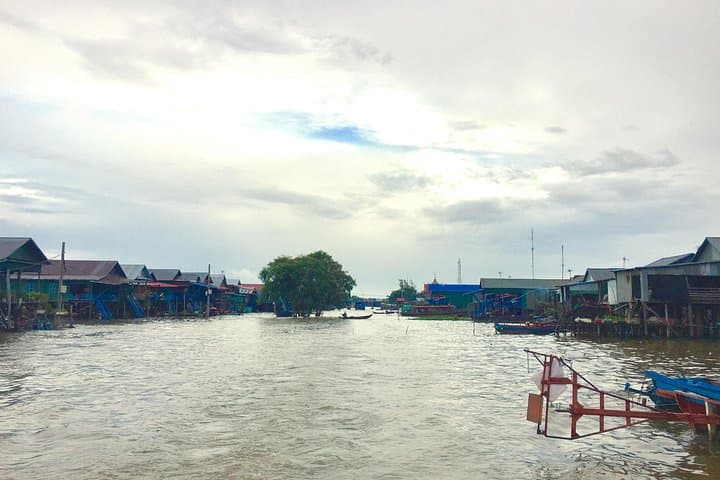
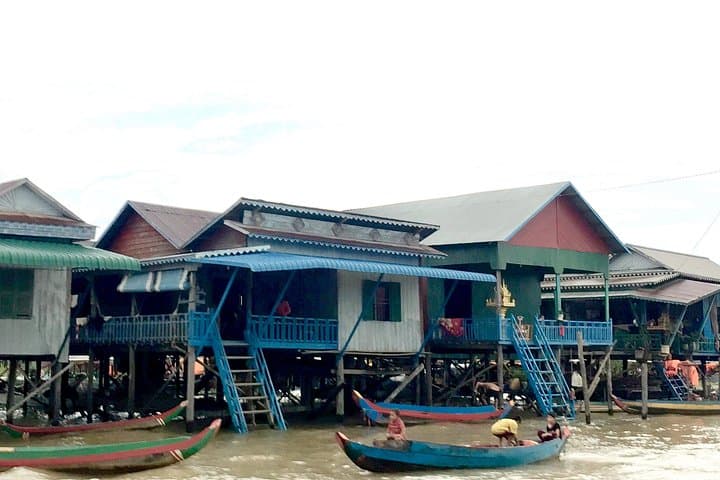
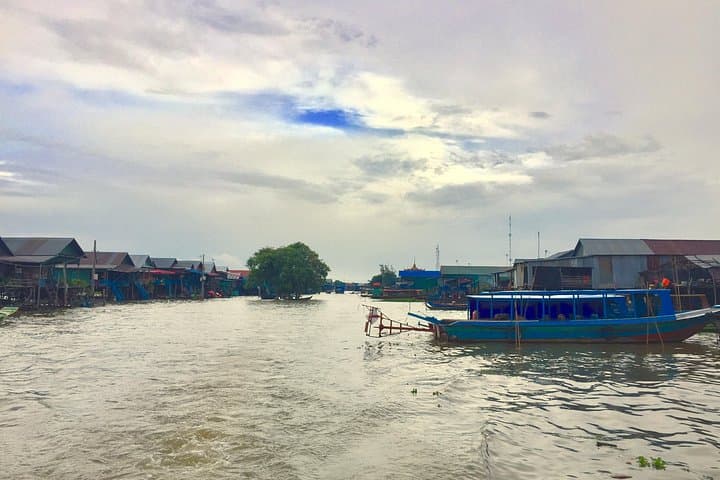
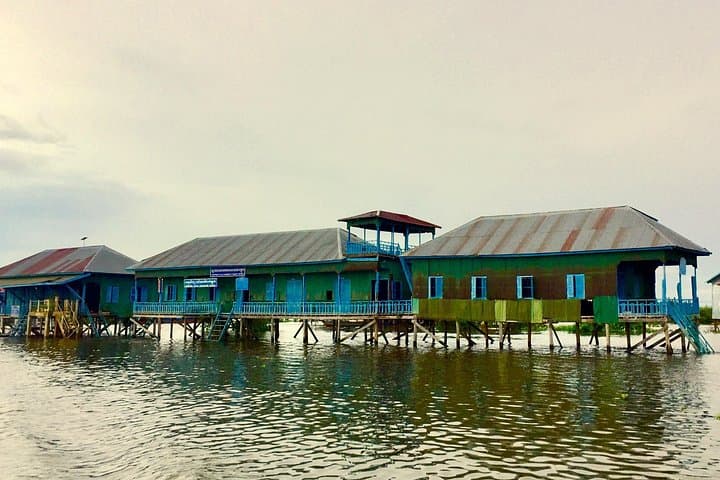
Dawn slices across Tonle Sap and the canal narrows into a corridor of stilts and wooden walkways. A motorized boat slips forward, the engine a steady heartbeat as sunlight turns the water to hammered brass. Villagers move through doorways on stilts; nets, cages and small gardens swing gently with the lake’s breath.
Dawn slices across Tonle Sap and the canal narrows into a corridor of stilts and wooden walkways. A motorized boat slips forward, the engine a steady heartbeat as sunlight turns the water to hammered brass. Villagers move through doorways on stilts; nets, cages and small gardens swing gently with the lake’s breath.
Kompong Pluk (often spelled Kampong Phluk) is one of the best places to see how communities adapt to the lake’s dramatic seasonal pulse. Tonle Sap is Southeast Asia’s largest freshwater lake; monsoon-fed floods can raise water levels several meters, turning forests into flooded channels and reshaping local life twice a year. The floating village sits where water and human ingenuity meet — houses on stilts, floating fish farms, and boats that serve as market stalls and taxis.
Guides explain local livelihoods — fishing, small-scale aquaculture, and seasonal trade — and point out architectural cues that mark high and low water seasons. Geology and hydrology matter here: the Tonle Sap’s flood reversal is driven by the Mekong’s monsoon cycle, concentrating fish and sustaining communities.
Practically, expect a 4–5 hour excursion with hotel pickup by air-conditioned vehicle, a motorized boat on the canal, and opportunities to stop at a floating restaurant or small dock. Wear quick-dry clothes, sun protection, and closed shoes for boarding; bring local currency for small purchases. Mornings offer the best light and quieter channels, while guides can tailor stops based on water levels and season.
This half-day tour is observational and accessible: it’s a close look at a living water landscape and the people who move with it.