THE ADVENTURE COLLECTIVE® · Independent discovery and booking for outdoor travel

Glide into Kompong Phluk on a long-tail boat and watch entire neighborhoods perch on ten-meter stilts above Tonle Sap. This half-day visit reveals how a fishing community lives with the lake’s dramatic wet-and-dry cycle—expect flooded forest vistas, macaques, and close-up cultural encounters.
Glide into Kompong Phluk on a long-tail boat and watch entire neighborhoods perch on ten-meter stilts above Tonle Sap. This half-day visit reveals how a fishing community lives with the lake’s dramatic wet-and-dry cycle—expect flooded forest vistas, macaques, and close-up cultural encounters.
A low, humid morning fog lifts off Tonle Sap as a long-tail boat slips from Siem Reap toward Kompong Phluk. The shoreline dissolves into a lattice of wooden stilts—houses rising six to ten meters above the lake—while hardwood trunks and flooded forest fan out like a wild moat.
Verified experiences and guided adventures in the surrounding area.
Operated by Sharing tour Cambodia · Siem Reap, Siem Reap Province
A low, humid morning fog lifts off Tonle Sap as a long-tail boat slips from Siem Reap toward Kompong Phluk. The shoreline dissolves into a lattice of wooden stilts—houses rising six to ten meters above the lake—while hardwood trunks and flooded forest fan out like a wild moat.
Kompong Phluk is a working village shaped by the rhythm of Cambodia’s largest freshwater lake. Historically a fishing community, its stilted architecture answers one fact more than any other: the lake breathes. In the wet season Tonle Sap swells, submerging the forest and turning roads into channels; in the dry season water retreats and the stilts stand bare, showing how the village adapts to annual extremes.
Culturally the village is predominantly Khmer and centered on fisheries, rice processing, and small-scale trade. The surrounding flooded forest supports crab-eating macaques, resident water birds, and seasons of fish migration that drive the local economy.
Practically, visits start and end by boat; expect 4–6 hours for a typical half-day tour. Plan for sun and mosquitoes: sun protection, insect repellent, and waterproof storage for gear are essential. Walkways are raised and can be slippery—step carefully. Morning light gives the clearest reflections and the quietest wildlife sightings; afternoon trips reveal active village life as nets are mended and boats return with the catch.
Respect local rhythms: ask before photographing homes, support community-run vendors, and avoid single-use plastics. Kompong Phluk is not just a photo stop—it's an operational lakeside settlement that shows how people live with one of Southeast Asia’s most dynamic ecosystems.
easy.
4–6 hours.
Suitable for most fitness levels; you should be steady on your feet for short dockings and raised walkways.
Most visitors travel by boat from a launch point near Siem Reap; many tours include hotel pickup and a boat ticket for the 30–60 minute transfer depending on launch site.
Yes, but the experience changes: wet season (roughly May–October) floods the forest and raises boat access; dry season exposes stilts and muddy lakebeds—both are accessible by boat year-round.
Yes—tour routes typically include short stops on raised walkways and community areas, but always ask permission before entering homes or private compounds.
Basic snacks, drinks, and small handicrafts are available from local vendors, but bring cash; formal restrooms are limited so plan accordingly.
Kompong Phluk developed as a lakeside fishing settlement whose stilt architecture evolved to accommodate the extreme seasonal rise and fall of Tonle Sap.
Tourism supports local incomes but also brings waste and pressure on fish stocks; favor reputable operators who use community fees and avoid single-use plastics.
Sharing tour Cambodia operates guided outdoor trips and adventures with an emphasis on safety, stewardship, and memorable experiences.
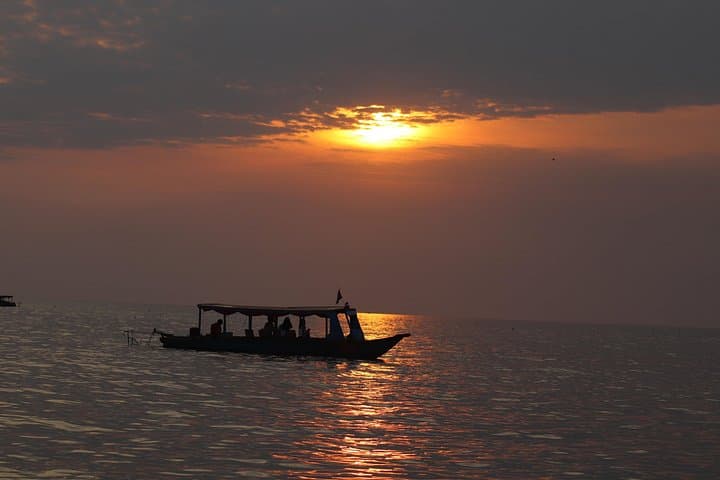
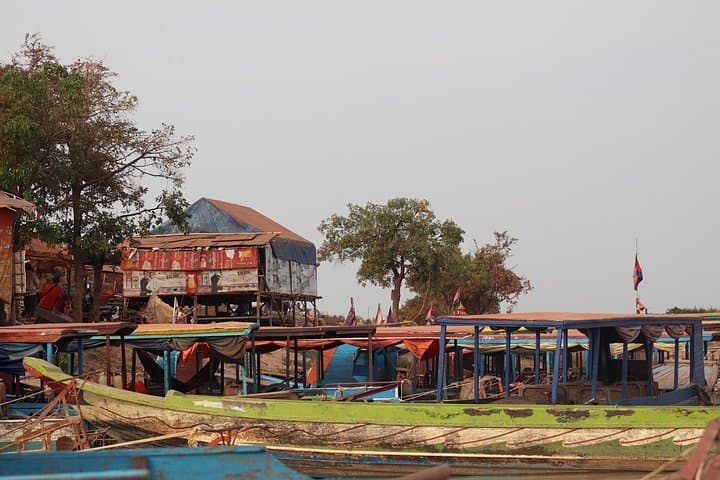
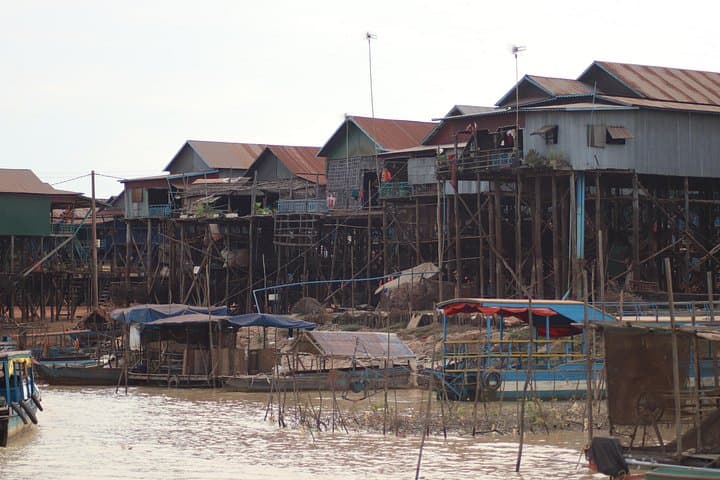
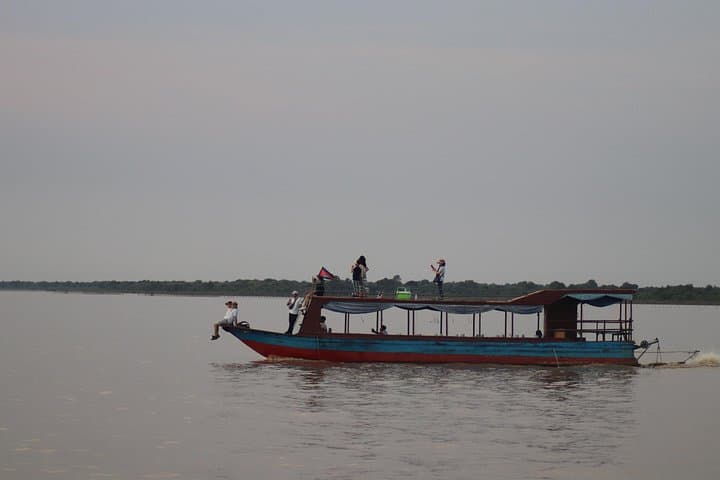
A low, humid morning fog lifts off Tonle Sap as a long-tail boat slips from Siem Reap toward Kompong Phluk. The shoreline dissolves into a lattice of wooden stilts—houses rising six to ten meters above the lake—while hardwood trunks and flooded forest fan out like a wild moat.
A low, humid morning fog lifts off Tonle Sap as a long-tail boat slips from Siem Reap toward Kompong Phluk. The shoreline dissolves into a lattice of wooden stilts—houses rising six to ten meters above the lake—while hardwood trunks and flooded forest fan out like a wild moat.
Kompong Phluk is a working village shaped by the rhythm of Cambodia’s largest freshwater lake. Historically a fishing community, its stilted architecture answers one fact more than any other: the lake breathes. In the wet season Tonle Sap swells, submerging the forest and turning roads into channels; in the dry season water retreats and the stilts stand bare, showing how the village adapts to annual extremes.
Culturally the village is predominantly Khmer and centered on fisheries, rice processing, and small-scale trade. The surrounding flooded forest supports crab-eating macaques, resident water birds, and seasons of fish migration that drive the local economy.
Practically, visits start and end by boat; expect 4–6 hours for a typical half-day tour. Plan for sun and mosquitoes: sun protection, insect repellent, and waterproof storage for gear are essential. Walkways are raised and can be slippery—step carefully. Morning light gives the clearest reflections and the quietest wildlife sightings; afternoon trips reveal active village life as nets are mended and boats return with the catch.
Respect local rhythms: ask before photographing homes, support community-run vendors, and avoid single-use plastics. Kompong Phluk is not just a photo stop—it's an operational lakeside settlement that shows how people live with one of Southeast Asia’s most dynamic ecosystems.