THE ADVENTURE COLLECTIVE® · Independent discovery and booking for outdoor travel

Float through Kompong Phluk’s stilted village and flooded forest on a half-day Tonle Sap boat trip. Learn how seasonal floods shape daily life, visit a pagoda and market, and opt for a close-up rowing-boat through mangrove channels.
Float through Kompong Phluk’s stilted village and flooded forest on a half-day Tonle Sap boat trip. Learn how seasonal floods shape daily life, visit a pagoda and market, and opt for a close-up rowing-boat through mangrove channels.
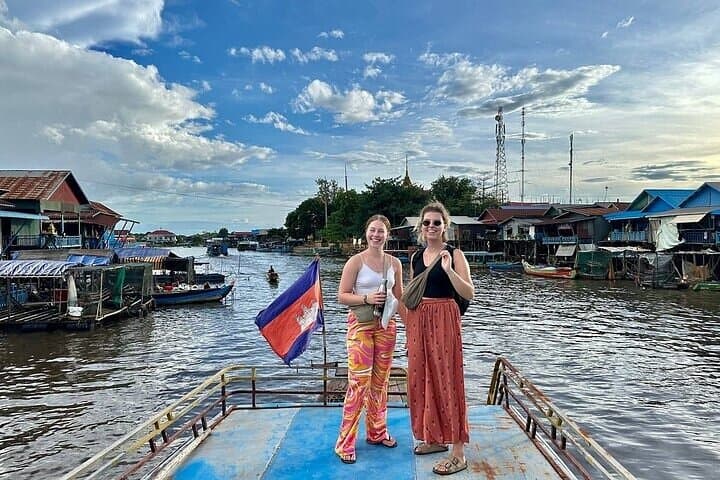
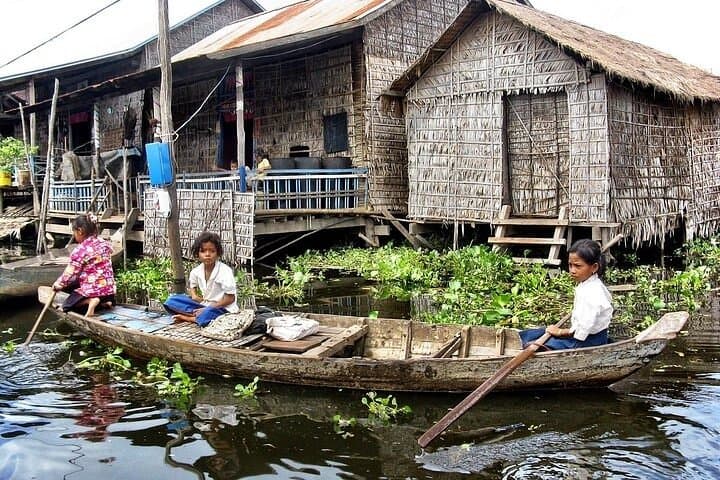
The boat eases away from the muddy edge and the lake breathes around you — stilt houses, raised walkways and longtail wakes marking a water-borne neighborhood. In Kompong Phluk, daily life rises and falls with Tonle Sap’s seasons; children paddle to school, vendors fold produce under soggy awnings, and a teak pagoda watches over the water.
Verified experiences and guided adventures in the surrounding area.
Operated by Angkor Temple Tours · Siem Reap, Siem Reap Province
The boat eases away from the muddy edge and the lake breathes around you — stilt houses, raised walkways and longtail wakes marking a water-borne neighborhood. In Kompong Phluk, daily life rises and falls with Tonle Sap’s seasons; children paddle to school, vendors fold produce under soggy awnings, and a teak pagoda watches over the water.
Geologically, Tonle Sap is Southeast Asia’s largest freshwater lake, expanding drastically during monsoon months when the Mekong reverses flow. Kompong Phluk sits at that moving edge, where alluvial silts create a shallow, fertile basin that supports rice, fish, and a unique flooded forest ecosystem. Culturally, the community blends Khmer village life with Buddhist practice — you’ll stop at a local pagoda and the Rolous market to see how livelihoods adapt to seasonal inundation.
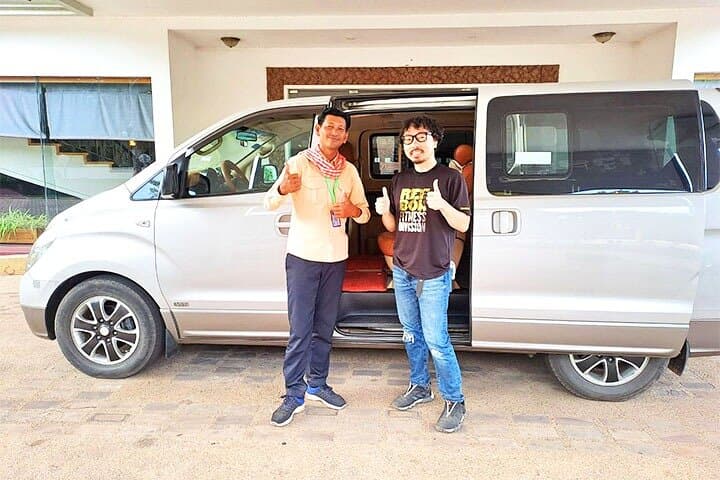
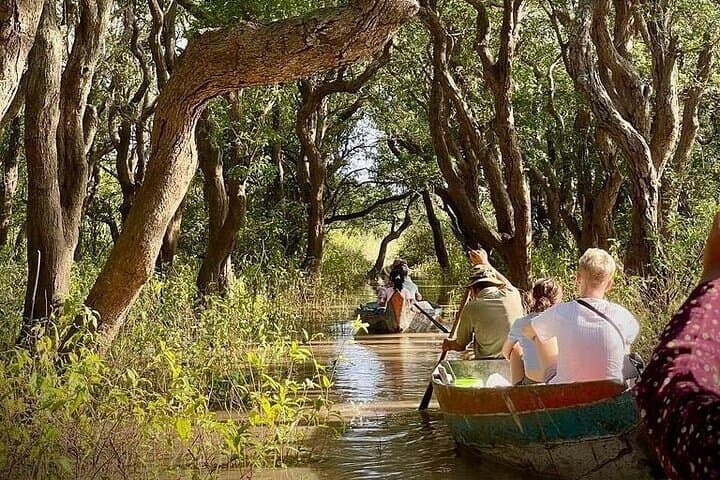
Expect a half-day trip (roughly 5–6 hours including transfer) combining minivan transfer and motorized boat, with an optional short rowing-boat detour through flooded mangrove channels. The tour is interactive: guides explain seasonal fishing, floating-school logistics, and traditional house construction. Afternoon departures offer softer light and possible lake swims; mornings are cooler and better for bird activity.
Practical tips: wear quick-dry clothing and reef-safe sunscreen, carry a waterproof bag for electronics, and bring small cash for market purchases and the optional rowing boat. The boat can be steady but bring firm shoes for short landings. Timing your visit outside peak tourist hours improves chances for quieter channels and clearer photos.
moderate.
5–6 hours (including transfers).
Suitable for most fitness levels; requires getting on/off boat and short walks on uneven, wet surfaces
Expect about 5–6 hours total including hotel pickup, minivan transfer, boat time on Tonle Sap, and return.
Afternoon departures sometimes include a supervised swim; check with the operator and avoid swimming during high boat traffic.
Yes — local rowers run short guided circuits through flooded forest channels; a small fee (around USD 5) is typical.
Basic facilities are available at some stops (markets/pagoda) but bring hand sanitizer and expect rustic conditions.
Kompong Phluk developed as communities adapted to Tonle Sap’s seasonal rise, building stilted homes and floating markets as traditional responses to monsoon flooding.
Tonle Sap supports vital fisheries and migratory birds but faces pressures from overfishing and upstream development; choose operators that minimize wake and avoid disturbing nesting birds.
Angkor Temple Tours operates guided outdoor trips and adventures with an emphasis on safety, stewardship, and memorable experiences.
The boat eases away from the muddy edge and the lake breathes around you — stilt houses, raised walkways and longtail wakes marking a water-borne neighborhood. In Kompong Phluk, daily life rises and falls with Tonle Sap’s seasons; children paddle to school, vendors fold produce under soggy awnings, and a teak pagoda watches over the water.
The boat eases away from the muddy edge and the lake breathes around you — stilt houses, raised walkways and longtail wakes marking a water-borne neighborhood. In Kompong Phluk, daily life rises and falls with Tonle Sap’s seasons; children paddle to school, vendors fold produce under soggy awnings, and a teak pagoda watches over the water.
Geologically, Tonle Sap is Southeast Asia’s largest freshwater lake, expanding drastically during monsoon months when the Mekong reverses flow. Kompong Phluk sits at that moving edge, where alluvial silts create a shallow, fertile basin that supports rice, fish, and a unique flooded forest ecosystem. Culturally, the community blends Khmer village life with Buddhist practice — you’ll stop at a local pagoda and the Rolous market to see how livelihoods adapt to seasonal inundation.
Expect a half-day trip (roughly 5–6 hours including transfer) combining minivan transfer and motorized boat, with an optional short rowing-boat detour through flooded mangrove channels. The tour is interactive: guides explain seasonal fishing, floating-school logistics, and traditional house construction. Afternoon departures offer softer light and possible lake swims; mornings are cooler and better for bird activity.
Practical tips: wear quick-dry clothing and reef-safe sunscreen, carry a waterproof bag for electronics, and bring small cash for market purchases and the optional rowing boat. The boat can be steady but bring firm shoes for short landings. Timing your visit outside peak tourist hours improves chances for quieter channels and clearer photos.