THE ADVENTURE COLLECTIVE® · Independent discovery and booking for outdoor travel

Board a private boat from Siem Reap to Kompong Khleang and Tonle Sap for an intimate look at Cambodia’s floating communities, stilted pagodas, and lakeside food stops. This half-day tour pairs cultural insight with easy boat travel tailored to small groups.
Board a private boat from Siem Reap to Kompong Khleang and Tonle Sap for an intimate look at Cambodia’s floating communities, stilted pagodas, and lakeside food stops. This half-day tour pairs cultural insight with easy boat travel tailored to small groups.
A morning dew clings to the wooden planks as a private boat slides away from the dock, the Tonle Sap itself seeming to breathe as water levels push and pull the stilt houses. Kompong Khleang’s lanes are not roads but canals, and the village’s life moves at the rhythm of the lake — fishermen, market sellers and children steering small skiffs weave past houses raised on stilts that rise like fingers above the water.
Verified experiences and guided adventures in the surrounding area.
Operated by The Tonle Sap Experience · Siem Reap, Siem Reap Province
A morning dew clings to the wooden planks as a private boat slides away from the dock, the Tonle Sap itself seeming to breathe as water levels push and pull the stilt houses. Kompong Khleang’s lanes are not roads but canals, and the village’s life moves at the rhythm of the lake — fishermen, market sellers and children steering small skiffs weave past houses raised on stilts that rise like fingers above the water.
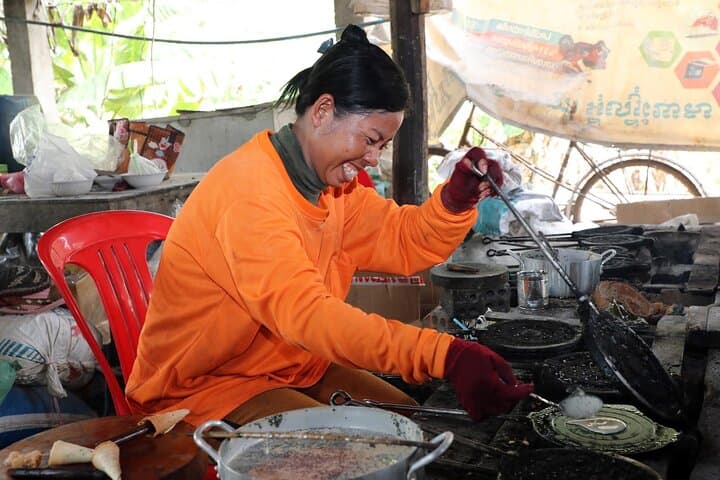
This area sits on the floodplain fed by Tonle Sap, Southeast Asia’s largest freshwater lake when swollen in the monsoon. The village grew as families adapted to the seasonal pulse: architecture on stilts, floating gardens, and a culture built around fish and rice. Wat Kompong Khleang offers a quiet look at local Buddhism and the “Glimmering Buddha,” while nearby bakeries and sticky-rice vendors reveal culinary threads that tie village life to Siem Reap markets.
The private tour includes hotel pickup in an air-conditioned vehicle, short land stops to try palm-sugar donuts and local snacks, then two hours of boat time through the heart of the floating village and out to Tonle Sap where Khmer and Vietnamese houseboat communities cluster. Expect light walking, shallow steps to board boats, and a 5–6 hour window depending on your chosen pickup and whether you stay for sunset.
Practical tips: bring cash, insect repellent and sunscreen, dress modestly for the pagoda, and wear shoes that grip for wet wood. Respect private homes, accept guide direction on picture-taking, and keep plastic waste out of the lake — the ecosystem here is fragile but profoundly alive.
easy.
5–6 hours.
Suitable for most fitness levels; involves short, easy walks and boat transfers; not strenuous.
The tour runs about 5–6 hours total with hotel pickup; departures are typically morning or afternoon (sunset) depending on your preference.
Children must be accompanied by an adult and life jackets are provided; the operator does not recommend the tour for pregnant travelers due to boat transfers.
Swimming is not advised — currents, variable water quality and boat traffic make it unsafe; stick to observing from the boat or shore.
Bottled water and local snacks are included, but full meals are not; plan to buy additional food at market stops or return to Siem Reap for a meal.
Kompong Khleang developed as communities adapted to Tonle Sap’s flood pulse; the seasonal rise and fall of the lake has shaped local architecture, fishing techniques, and trade for generations.
Tonle Sap is a UNESCO biosphere reserve facing pressure from overfishing and development; low-impact visits, no-single-use-plastics and responsible photography help protect the ecosystem.
The Tonle Sap Experience operates guided outdoor trips and adventures with an emphasis on safety, stewardship, and memorable experiences.
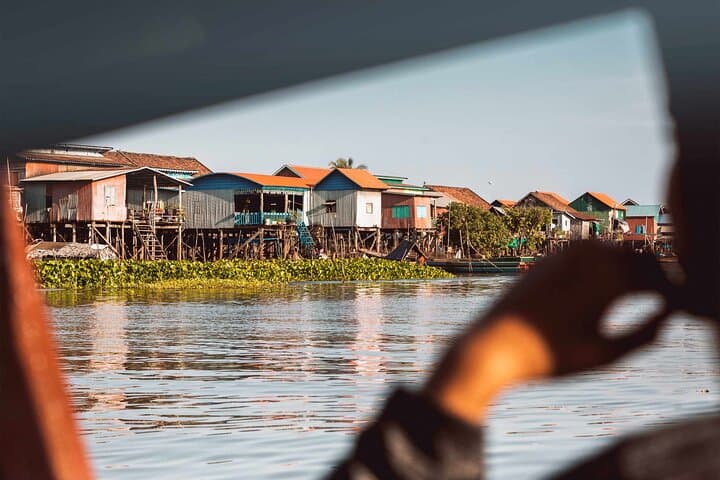
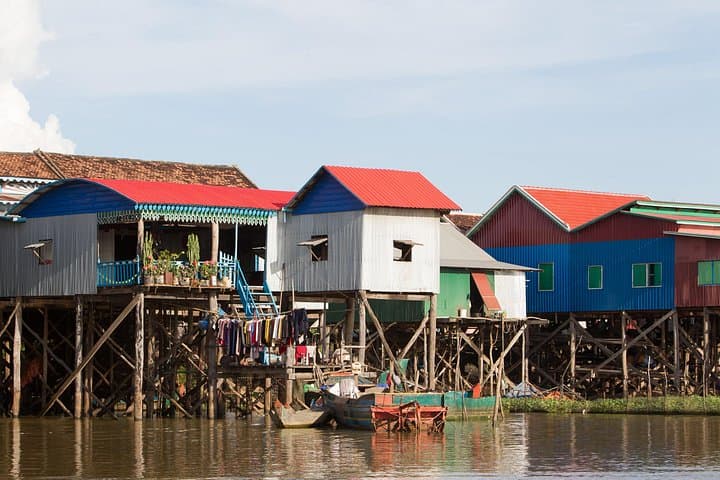
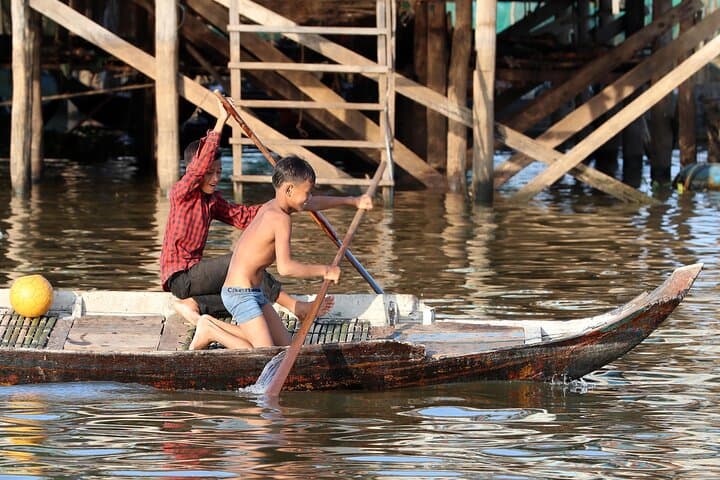
A morning dew clings to the wooden planks as a private boat slides away from the dock, the Tonle Sap itself seeming to breathe as water levels push and pull the stilt houses. Kompong Khleang’s lanes are not roads but canals, and the village’s life moves at the rhythm of the lake — fishermen, market sellers and children steering small skiffs weave past houses raised on stilts that rise like fingers above the water.
A morning dew clings to the wooden planks as a private boat slides away from the dock, the Tonle Sap itself seeming to breathe as water levels push and pull the stilt houses. Kompong Khleang’s lanes are not roads but canals, and the village’s life moves at the rhythm of the lake — fishermen, market sellers and children steering small skiffs weave past houses raised on stilts that rise like fingers above the water.
This area sits on the floodplain fed by Tonle Sap, Southeast Asia’s largest freshwater lake when swollen in the monsoon. The village grew as families adapted to the seasonal pulse: architecture on stilts, floating gardens, and a culture built around fish and rice. Wat Kompong Khleang offers a quiet look at local Buddhism and the “Glimmering Buddha,” while nearby bakeries and sticky-rice vendors reveal culinary threads that tie village life to Siem Reap markets.
The private tour includes hotel pickup in an air-conditioned vehicle, short land stops to try palm-sugar donuts and local snacks, then two hours of boat time through the heart of the floating village and out to Tonle Sap where Khmer and Vietnamese houseboat communities cluster. Expect light walking, shallow steps to board boats, and a 5–6 hour window depending on your chosen pickup and whether you stay for sunset.
Practical tips: bring cash, insect repellent and sunscreen, dress modestly for the pagoda, and wear shoes that grip for wet wood. Respect private homes, accept guide direction on picture-taking, and keep plastic waste out of the lake — the ecosystem here is fragile but profoundly alive.