THE ADVENTURE COLLECTIVE® · Independent discovery and booking for outdoor travel

A full-day island-hopping trip from Labuan Bajo that pairs a guided Komodo dragon walk on Rinca with snorkel stops at Kelor, Menjarite and Bidadari and a swim in Rangko Cave’s crystal pool. Expect 7–10 hours on mixed terrain and basic local boats.
A full-day island-hopping trip from Labuan Bajo that pairs a guided Komodo dragon walk on Rinca with snorkel stops at Kelor, Menjarite and Bidadari and a swim in Rangko Cave’s crystal pool. Expect 7–10 hours on mixed terrain and basic local boats.
You push off from Labuan Bajo at first light and the harbor shrinks behind you—mangrove silhouettes, fishermen hauling nets, the island chain opening like a map. The boat cuts tropical blue toward Rinca, where scrubby hills and sun-baked rock hold one of the planet’s most formidable reptiles. A local ranger meets you at the dock and the island’s heat and history press in: dragons that can grow beyond 10 feet, herds of wild buffalo, and cockatoos that spy the shoreline.
Verified experiences and guided adventures in the surrounding area.
Operated by PT.WAHYU MANDIRI TOUR · Labuan Bajo, East Nusa Tenggara
You push off from Labuan Bajo at first light and the harbor shrinks behind you—mangrove silhouettes, fishermen hauling nets, the island chain opening like a map. The boat cuts tropical blue toward Rinca, where scrubby hills and sun-baked rock hold one of the planet’s most formidable reptiles. A local ranger meets you at the dock and the island’s heat and history press in: dragons that can grow beyond 10 feet, herds of wild buffalo, and cockatoos that spy the shoreline.
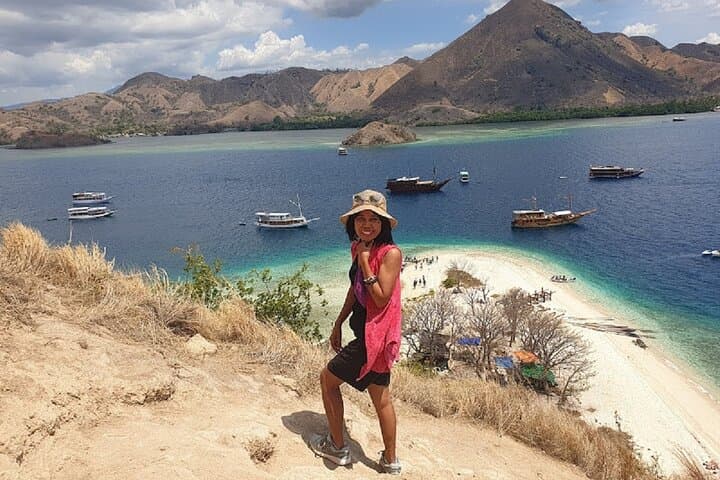
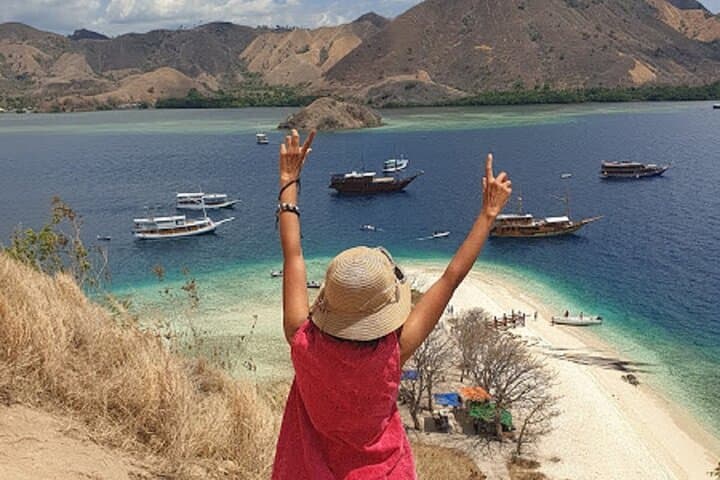
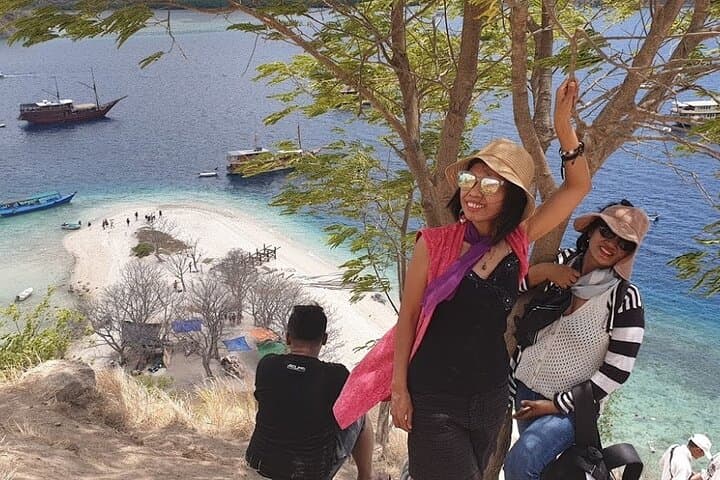
Geology here is blunt—volcanic cores and uplifted limestone create steep shorelines, sheltered bays and the drip-formed pool of Rangko Cave where you can swim in near-cold freshwater beneath a collapsed roof. Kelor, Menjarite and Bidadari islands showcase shallow fringing reefs: bommies, branching coral and fish that curve around your mask.
This trip blends light land trekking with sustained time on the water. Expect about 1.5 hours boat time to Rinca, a guided 45–60 minute walk on maintained trails or elevated paths, then multiple snorkel stops and a final hour at Rangko Cave before returning to Labuan Bajo—total 7–10 hours.
Practical edge: boats can be basic wooden craft—life jackets are provided but other safety gear may be limited—carry cash for national park entrance (around USD 39), reef-safe sunscreen, water shoes, and enough water to stay hydrated. Fitness should be moderate: short, uneven walks and repeated entry/exit from boats. Respect ranger instructions around Komodo dragons and keep distance; their speed and terrain knowledge outpace most visitors. Timing your visit in the dry season (May–Oct) improves visibility and comfort.
moderate.
7–10 hours.
Moderate fitness—able to do a 45–60 minute guided walk on uneven terrain, climb in/out of boats and swim short distances.
Yes—Komodo dragons are large predators; always stay with the ranger, keep a safe distance on marked paths, and never attempt to feed or approach them.
Typical inclusions are hotel transfers in Labuan Bajo, lunch box on board, snorkel gear, and a local guide or ranger; national park entrance fees are usually not included and should be paid in cash.
Yes—Rangko Cave has a freshwater pool for swimming; however, access may be seasonal and lifeguard services are not guaranteed, so assess your comfort in open cave water.
Not recommended—the itinerary involves boat transfers, climbing in and out of boats, and walking on uneven terrain which may be unsafe for pregnant travelers or those with serious back/heart conditions.
The Komodo archipelago formed through volcanic activity and uplift; human communities have long relied on fishing and small-scale farming, with Komodo dragons recognized by locals for centuries.
The Komodo National Park protects endemic species and coral reefs—visit with a licensed ranger, avoid touching coral, and use reef-safe products to minimize impact.
PT.WAHYU MANDIRI TOUR operates guided outdoor trips and adventures with an emphasis on safety, stewardship, and memorable experiences.

You push off from Labuan Bajo at first light and the harbor shrinks behind you—mangrove silhouettes, fishermen hauling nets, the island chain opening like a map. The boat cuts tropical blue toward Rinca, where scrubby hills and sun-baked rock hold one of the planet’s most formidable reptiles. A local ranger meets you at the dock and the island’s heat and history press in: dragons that can grow beyond 10 feet, herds of wild buffalo, and cockatoos that spy the shoreline.
You push off from Labuan Bajo at first light and the harbor shrinks behind you—mangrove silhouettes, fishermen hauling nets, the island chain opening like a map. The boat cuts tropical blue toward Rinca, where scrubby hills and sun-baked rock hold one of the planet’s most formidable reptiles. A local ranger meets you at the dock and the island’s heat and history press in: dragons that can grow beyond 10 feet, herds of wild buffalo, and cockatoos that spy the shoreline.
Geology here is blunt—volcanic cores and uplifted limestone create steep shorelines, sheltered bays and the drip-formed pool of Rangko Cave where you can swim in near-cold freshwater beneath a collapsed roof. Kelor, Menjarite and Bidadari islands showcase shallow fringing reefs: bommies, branching coral and fish that curve around your mask.
This trip blends light land trekking with sustained time on the water. Expect about 1.5 hours boat time to Rinca, a guided 45–60 minute walk on maintained trails or elevated paths, then multiple snorkel stops and a final hour at Rangko Cave before returning to Labuan Bajo—total 7–10 hours.
Practical edge: boats can be basic wooden craft—life jackets are provided but other safety gear may be limited—carry cash for national park entrance (around USD 39), reef-safe sunscreen, water shoes, and enough water to stay hydrated. Fitness should be moderate: short, uneven walks and repeated entry/exit from boats. Respect ranger instructions around Komodo dragons and keep distance; their speed and terrain knowledge outpace most visitors. Timing your visit in the dry season (May–Oct) improves visibility and comfort.