THE ADVENTURE COLLECTIVE® · Independent discovery and booking for outdoor travel

Explore Komárno’s fortress, baroque church, and lively squares on a compact two‑hour family walking tour. This guided route mixes military history, local culture, and easy urban walking tailored for all ages.
Explore Komárno’s fortress, baroque church, and lively squares on a compact two‑hour family walking tour. This guided route mixes military history, local culture, and easy urban walking tailored for all ages.
The square opens around you: cobbles cool beneath your feet, the Danube's distant breath nudging the town's edge, and a baroque tower cutting a clear line against the sky. On this two-hour family walking tour of Komárno you move through streets that have been both frontier and crossroads — the guide pointing out architectural flourishes while children trace cannon scars on fortress stone.
Verified experiences and guided adventures in the surrounding area.
Operated by Opatrip.com Slovakia · Komárno, Nitra Region
The square opens around you: cobbles cool beneath your feet, the Danube's distant breath nudging the town's edge, and a baroque tower cutting a clear line against the sky. On this two-hour family walking tour of Komárno you move through streets that have been both frontier and crossroads — the guide pointing out architectural flourishes while children trace cannon scars on fortress stone.
Komárno sits where the Váh meets the Danube, a strategic hub since Roman and medieval times. The fortress complex here evolved from Habsburg bastions into an oversized playground of ramparts and gates; its brickwork and bastions reflect changes in artillery and empire. Baroque churches like Saint Andrew reveal the town’s religious and civic rhythms, while the Courtyard of Europe offers a modern counterpoint to centuries of city life.
Expect a pace made for families: paved streets, short blocks between stops, and accessible viewpoints across the river. Cultural notes include bilingual Hungarian–Slovak signage and local café culture centered on espresso and poppy-seed pastries. Geologically the town sits on alluvial plains shaped by river sediment — the rivers often decide where roads and fortifications go.
Practical guidance: wear comfortable walking shoes, bring water and a light jacket in shoulder seasons, and bring ID if you plan to cross to the Hungarian side. Tours are private and suitable for all fitness levels; arrive 10 minutes early to meet your guide and save phone space for photos of fortress walls and square façades.
easy.
2 hours.
Suitable for most ages and fitness levels—light walking on mostly level, paved surfaces.
The tour runs about two hours and includes multiple short stops at Komárno’s main historical sites.
Yes—routes use paved streets and squares; some sections around the fortress have steps, so a lightweight stroller works best.
Guides typically speak the tour language advertised; local guides often offer Slovak, Hungarian, and English—confirm at booking.
This walking tour focuses on external viewpoints and public squares—admissions to museum interiors are usually optional and paid separately.
Komárno’s fortified complex grew under Habsburg rule to control river trade and military movement; remnants of bastions and barracks still shape the town today.
River dynamics and urban development affect local habitats; respect posted signs along the Danube and avoid littering the fortress grounds.
Opatrip.com Slovakia operates guided outdoor trips and adventures with an emphasis on safety, stewardship, and memorable experiences.

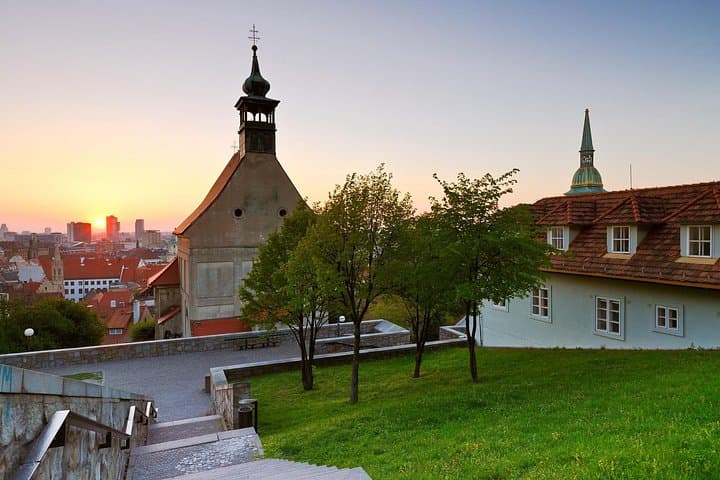

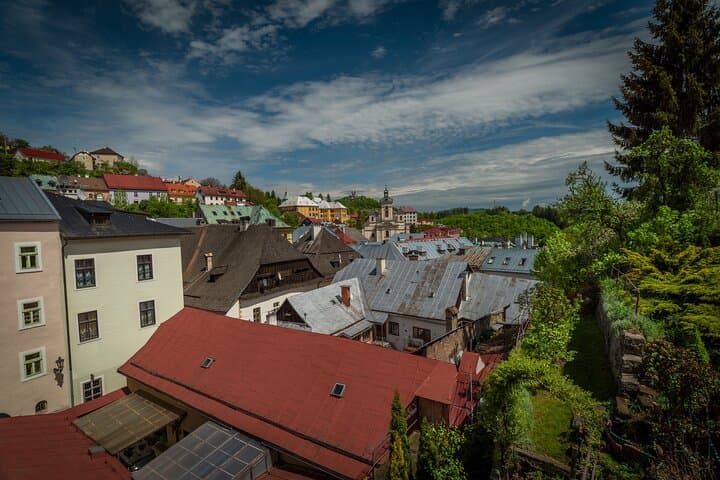
The square opens around you: cobbles cool beneath your feet, the Danube's distant breath nudging the town's edge, and a baroque tower cutting a clear line against the sky. On this two-hour family walking tour of Komárno you move through streets that have been both frontier and crossroads — the guide pointing out architectural flourishes while children trace cannon scars on fortress stone.
The square opens around you: cobbles cool beneath your feet, the Danube's distant breath nudging the town's edge, and a baroque tower cutting a clear line against the sky. On this two-hour family walking tour of Komárno you move through streets that have been both frontier and crossroads — the guide pointing out architectural flourishes while children trace cannon scars on fortress stone.
Komárno sits where the Váh meets the Danube, a strategic hub since Roman and medieval times. The fortress complex here evolved from Habsburg bastions into an oversized playground of ramparts and gates; its brickwork and bastions reflect changes in artillery and empire. Baroque churches like Saint Andrew reveal the town’s religious and civic rhythms, while the Courtyard of Europe offers a modern counterpoint to centuries of city life.
Expect a pace made for families: paved streets, short blocks between stops, and accessible viewpoints across the river. Cultural notes include bilingual Hungarian–Slovak signage and local café culture centered on espresso and poppy-seed pastries. Geologically the town sits on alluvial plains shaped by river sediment — the rivers often decide where roads and fortifications go.
Practical guidance: wear comfortable walking shoes, bring water and a light jacket in shoulder seasons, and bring ID if you plan to cross to the Hungarian side. Tours are private and suitable for all fitness levels; arrive 10 minutes early to meet your guide and save phone space for photos of fortress walls and square façades.