THE ADVENTURE COLLECTIVE® · Independent discovery and booking for outdoor travel

Follow a ten-day coastal arc from Kolkata to Bhubaneswar, mixing colonial cityscapes, UNESCO temples, mangrove boat safaris and brackish lagoons. This practical guide outlines distances, cultural norms and what to pack for Odisha’s temples, beaches and wildlife.
Follow a ten-day coastal arc from Kolkata to Bhubaneswar, mixing colonial cityscapes, UNESCO temples, mangrove boat safaris and brackish lagoons. This practical guide outlines distances, cultural norms and what to pack for Odisha’s temples, beaches and wildlife.
You arrive in Kolkata to the river’s breath and colonial stone—Victoria Memorial’s white face catching morning light while the Hooghly pushes traffic and ferries like a mise-en-scène for what’s to come.
Verified experiences and guided adventures in the surrounding area.
Operated by Agora Voyages Pvt. Ltd. · Bhubaneswar, Odisha
You arrive in Kolkata to the river’s breath and colonial stone—Victoria Memorial’s white face catching morning light while the Hooghly pushes traffic and ferries like a mise-en-scène for what’s to come.
Over the next nine days the route peels east and south along Odisha’s coast: 250 km to Balasore (≈5 hrs), a 165 km drive into the mangrove labyrinth of Bhitarkanika (≈3 hrs), and onward through Buddhist excavations at Lalitgiri and Ratnagiri before finishing in Bhubaneswar and Puri.
This journey stitches history and geology: British-era forts and bridges in Kolkata, the Sun Temple at Konark (UNESCO) laid in 13th-century Kalinga sandstone, and Chilika—India’s largest brackish lagoon (≈1,100 km²)—where migratory birds congregate. Bhitarkanika’s tidal creeks carve peat and silt into crescent channels, nurturing estuarine crocodiles and olive ridley nesting grounds.
Culturally expect active temple life—Jagannath worship, Jain caves at Udayagiri-Khandagiri, and lacquer and applique crafts at Pipili and Raghurajpur. Chandipur’s shore is a rare tidal spectacle: the sea retreats dramatically at fixed intervals, revealing a broad, firm beach.
Practically: plan early-morning boat safaris for bird and crocodile viewing, carry modest clothing for temple visits (non-Hindus cannot enter sanctums), and be ready for long drives on coastal highways. Bring insect repellent for mangrove nights, a lightweight rain layer during monsoon months, and conservative footwear for temple steps and muddy shores. With measured pacing, the tour balances relaxed beach time, focused wildlife watching, and deep cultural immersion.
moderate.
9–10 days.
Low-to-moderate fitness; able to handle multiple full-day excursions and short hikes/steps at archaeological sites
October to March offers cooler weather, clearer skies and peak bird migration in Chilika; crocodile and turtle activity in Bhitarkanika is visible year-round but monsoon months may restrict access.
The itinerary includes one boat safari in Bhitarkanika; operators use regulated boats but choose licensed guides and life jackets, and avoid solo ventures into the creeks after dark.
No—major temples like Jagannath in Puri restrict non-Hindus from inner sanctums; you can still view the exteriors, participate in cultural tours and visit nearby shrines open to all.
Most site visits involve short walks, staircases and unpaved paths; they’re generally low-to-moderate effort but require steady footwear and mobility for climbing cave steps at Udayagiri-Khandagiri.
The region reflects layered histories—from Kalinga-era temples and 13th-century Konark Sun Temple to colonial Kolkata architecture and ancient Buddhist monastic excavations at Lalitgiri and Ratnagiri.
Bhitarkanika and Chilika are protected for their unique coastal ecosystems; visitors should minimize disturbance, avoid plastic on beaches and follow local guide instructions during boat safaris.
Agora Voyages Pvt. Ltd. operates guided outdoor trips and adventures with an emphasis on safety, stewardship, and memorable experiences.
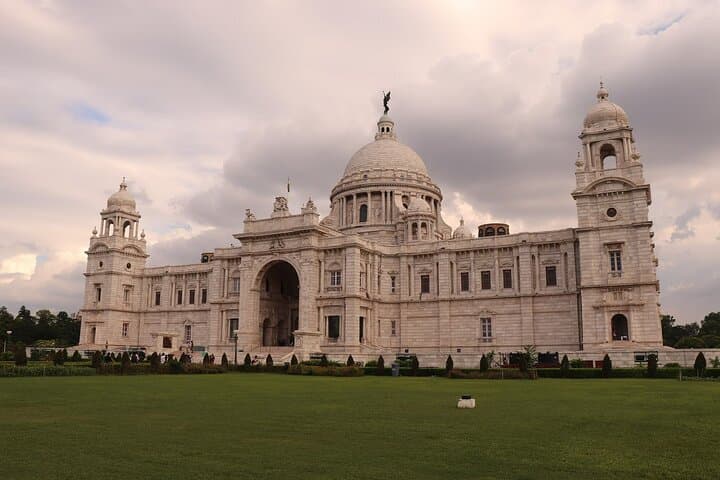
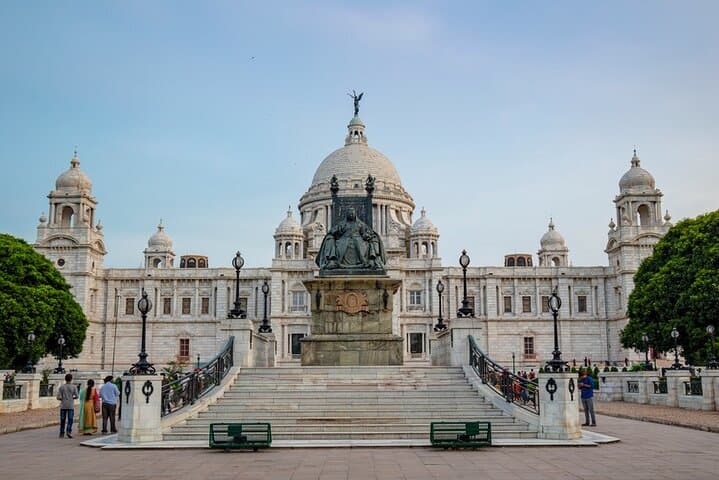
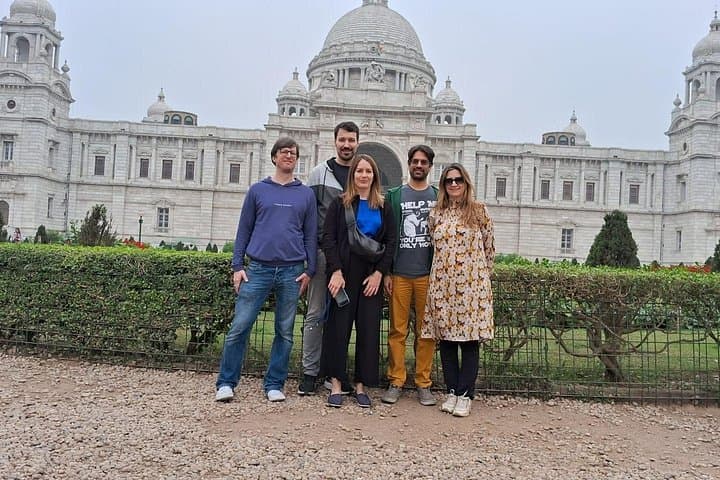
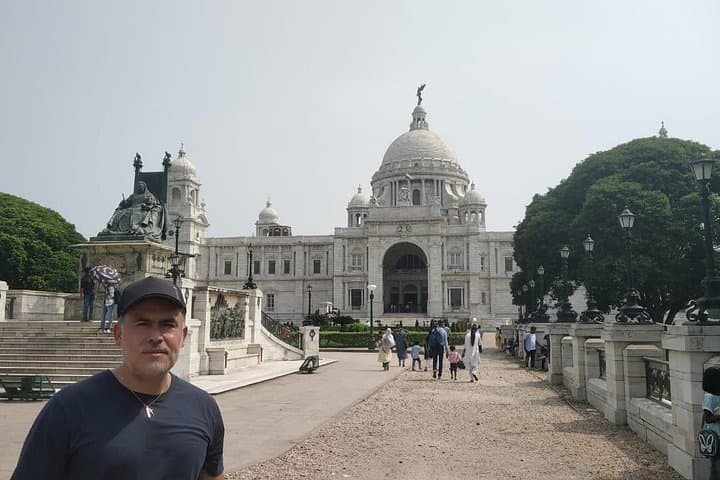
You arrive in Kolkata to the river’s breath and colonial stone—Victoria Memorial’s white face catching morning light while the Hooghly pushes traffic and ferries like a mise-en-scène for what’s to come.
You arrive in Kolkata to the river’s breath and colonial stone—Victoria Memorial’s white face catching morning light while the Hooghly pushes traffic and ferries like a mise-en-scène for what’s to come.
Over the next nine days the route peels east and south along Odisha’s coast: 250 km to Balasore (≈5 hrs), a 165 km drive into the mangrove labyrinth of Bhitarkanika (≈3 hrs), and onward through Buddhist excavations at Lalitgiri and Ratnagiri before finishing in Bhubaneswar and Puri.
This journey stitches history and geology: British-era forts and bridges in Kolkata, the Sun Temple at Konark (UNESCO) laid in 13th-century Kalinga sandstone, and Chilika—India’s largest brackish lagoon (≈1,100 km²)—where migratory birds congregate. Bhitarkanika’s tidal creeks carve peat and silt into crescent channels, nurturing estuarine crocodiles and olive ridley nesting grounds.
Culturally expect active temple life—Jagannath worship, Jain caves at Udayagiri-Khandagiri, and lacquer and applique crafts at Pipili and Raghurajpur. Chandipur’s shore is a rare tidal spectacle: the sea retreats dramatically at fixed intervals, revealing a broad, firm beach.
Practically: plan early-morning boat safaris for bird and crocodile viewing, carry modest clothing for temple visits (non-Hindus cannot enter sanctums), and be ready for long drives on coastal highways. Bring insect repellent for mangrove nights, a lightweight rain layer during monsoon months, and conservative footwear for temple steps and muddy shores. With measured pacing, the tour balances relaxed beach time, focused wildlife watching, and deep cultural immersion.