THE ADVENTURE COLLECTIVE® · Independent discovery and booking for outdoor travel

Start before sunrise and follow a local guide through Kolkata’s busiest bazaars—from the spice alleys and Machua fruit stalls to Burra Bazaar’s wholesale lanes and the book stalls of College Street. Expect vibrant sights, bargaining, and a close look at Kumortuli’s potters.
Start before sunrise and follow a local guide through Kolkata’s busiest bazaars—from the spice alleys and Machua fruit stalls to Burra Bazaar’s wholesale lanes and the book stalls of College Street. Expect vibrant sights, bargaining, and a close look at Kumortuli’s potters.
Dawn in Kolkata arrives with a rush—trucks groan, vendors call, and the spice-scented air tightens around narrow lanes. On a private morning walk through the city’s markets you move with purpose through pockets of intense color: sacks of turmeric and red chili, crates of mangoes glinting in the early light, and stalls stacked with second‑hand books whose pages whisper histories.
Verified experiences and guided adventures in the surrounding area.
Operated by SITA World Tours · Kolkata, West Bengal
Dawn in Kolkata arrives with a rush—trucks groan, vendors call, and the spice-scented air tightens around narrow lanes. On a private morning walk through the city’s markets you move with purpose through pockets of intense color: sacks of turmeric and red chili, crates of mangoes glinting in the early light, and stalls stacked with second‑hand books whose pages whisper histories.
These markets grew around Kolkata’s 18th–19th century commercial boom under British rule, evolving from trading posts to dense bazaars such as Burra Bazaar—once the city’s wholesale heart. Geology matters here only in the salt and river silt that fed the Hooghly trade routes; culture is everything: College Street’s Boi Para is a living archive of print, while Kumortuli preserves the clay idol‑making traditions that feed Durga Puja’s annual spectacle.
Expect tight alleys, lively bargaining, and artisans shaping raw materials into daily life. Your guide points out spices used across Bengali cuisine, explains book‑dealer etiquette and shows how potters finish an idol’s face. Photography opportunities are constant, but ask before shooting people.
Practical pick‑ups: the tour begins early and runs about six hours with hotel transfer included; wear grippy walking shoes, carry cash for small purchases, and bring a lightweight bag for finds. Hydrate frequently—the city’s humidity can climb fast—and plan this as a morning into early afternoon outing to avoid the late heat. This is a cultural, sensory, and logistical immersion: move deliberately, listen to vendors, and let the markets teach you their rhythm.
moderate.
6–7 hours.
Moderate fitness needed for several hours of standing and walking on uneven, crowded surfaces
The private tour runs about 6–7 hours, typically starting at first light; exact pickup time is confirmed at booking.
Children under 15 must be accompanied by an adult; the tour is family‑friendly but requires moderate stamina and patience in crowds.
Yes—stalls sell spices, textiles, books and handicrafts; bring small cash, and expect to bargain politely.
Yes—hotel pickup/drop‑off within the city center and two bottles of mineral water per person are included.
Many of Kolkata’s markets date to the British colonial trading era and the Hooghly River commerce, evolving into dense wholesale and retail neighborhoods like Burra Bazaar and College Street.
Market areas generate high waste and plastic; bring reusable bags, avoid single‑use plastics, and buy from local artisans to support sustainable livelihoods.
SITA World Tours operates guided outdoor trips and adventures with an emphasis on safety, stewardship, and memorable experiences.
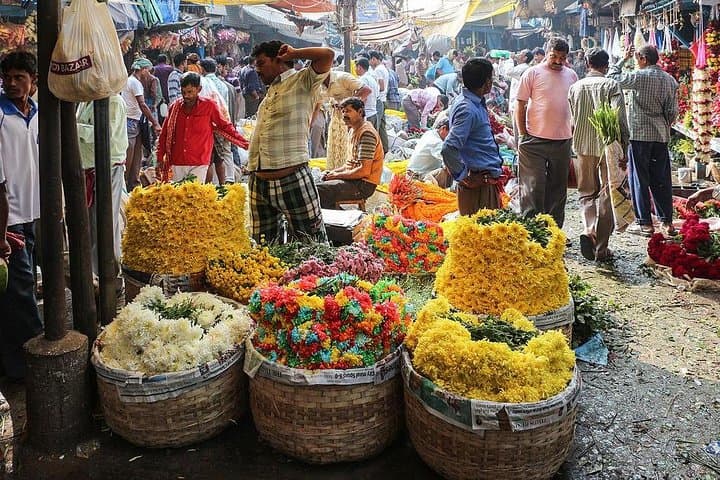
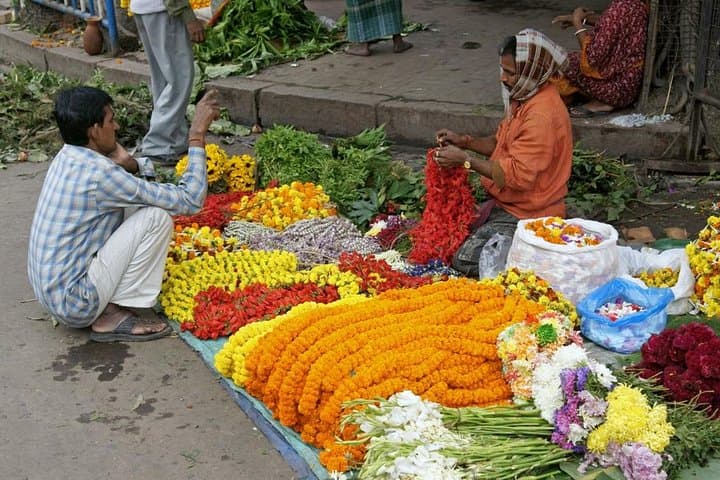
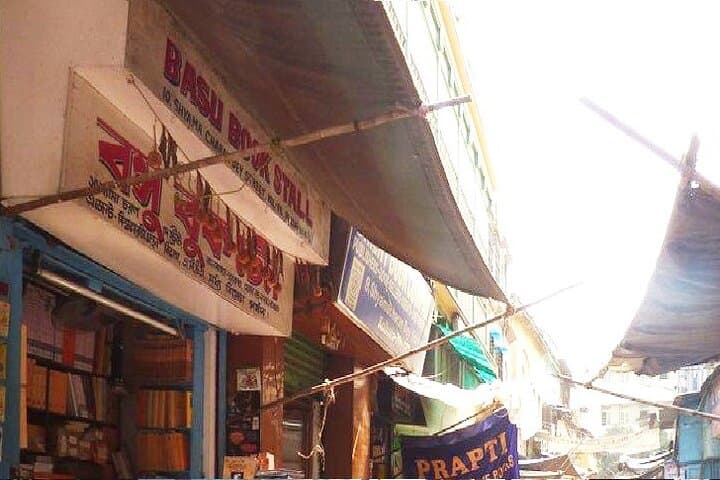
Dawn in Kolkata arrives with a rush—trucks groan, vendors call, and the spice-scented air tightens around narrow lanes. On a private morning walk through the city’s markets you move with purpose through pockets of intense color: sacks of turmeric and red chili, crates of mangoes glinting in the early light, and stalls stacked with second‑hand books whose pages whisper histories.
Dawn in Kolkata arrives with a rush—trucks groan, vendors call, and the spice-scented air tightens around narrow lanes. On a private morning walk through the city’s markets you move with purpose through pockets of intense color: sacks of turmeric and red chili, crates of mangoes glinting in the early light, and stalls stacked with second‑hand books whose pages whisper histories.
These markets grew around Kolkata’s 18th–19th century commercial boom under British rule, evolving from trading posts to dense bazaars such as Burra Bazaar—once the city’s wholesale heart. Geology matters here only in the salt and river silt that fed the Hooghly trade routes; culture is everything: College Street’s Boi Para is a living archive of print, while Kumortuli preserves the clay idol‑making traditions that feed Durga Puja’s annual spectacle.
Expect tight alleys, lively bargaining, and artisans shaping raw materials into daily life. Your guide points out spices used across Bengali cuisine, explains book‑dealer etiquette and shows how potters finish an idol’s face. Photography opportunities are constant, but ask before shooting people.
Practical pick‑ups: the tour begins early and runs about six hours with hotel transfer included; wear grippy walking shoes, carry cash for small purchases, and bring a lightweight bag for finds. Hydrate frequently—the city’s humidity can climb fast—and plan this as a morning into early afternoon outing to avoid the late heat. This is a cultural, sensory, and logistical immersion: move deliberately, listen to vendors, and let the markets teach you their rhythm.