THE ADVENTURE COLLECTIVE® · Independent discovery and booking for outdoor travel

Walk Kumortuli’s narrow lanes to watch the century-old craft of idol making. This three-hour cultural tour takes you behind the scenes of Durga Puja preparations—clay, chisels and chai included.
Walk Kumortuli’s narrow lanes to watch the century-old craft of idol making. This three-hour cultural tour takes you behind the scenes of Durga Puja preparations—clay, chisels and chai included.
You step into a lane where clay breathes and hands keep time: fine dust lifts with each tap, half-finished faces peer from straw frames, and the Hooghly river glints at the edge of sight. In Kumortuli the air is work-heavy and warm—sawdust, wet clay, linseed oil and a steady rhythm of chisels shaping eyes that will one day stare down whole streets during Durga Puja.
Verified experiences and guided adventures in the surrounding area.
Operated by Calcutta Photo Tours · Kolkata, West Bengal
You step into a lane where clay breathes and hands keep time: fine dust lifts with each tap, half-finished faces peer from straw frames, and the Hooghly river glints at the edge of sight. In Kumortuli the air is work-heavy and warm—sawdust, wet clay, linseed oil and a steady rhythm of chisels shaping eyes that will one day stare down whole streets during Durga Puja.
Kumortuli is an artisans’ quarter that has supplied Kolkata with religious icons for centuries. The clay here traditionally comes from the riverbanks and the techniques pass through family lines, balancing quick seasonal demand with delicate sculptural craft. During the tour you’ll see full workshops, apprentice corners, and ghats where finished idols are taken for ritual immersion.
Historically tied to Bengali religious life, these studios help animate city festivals and—in recent decades—export work across India and abroad. Geology and culture intersect: river clay gives form, community gives continuity, and the river claims and returns the finished pieces.
Practical guidance: this is a 3-hour walking tour through narrow alleys and active workshops—wear closed shoes, carry modest clothing, and bring currency for small purchases. Photography is welcome but ask before shooting people or private workshops. The tour includes chai, bottled water, and snacks; plan for brief stops and uneven floors. Best light for photos is late afternoon; mornings are quieter. If you’re a photographer, you don’t need fancy gear—your phone will capture the texture and motion, but a zoom lens helps for candid shots across busy workspaces.
Respect the space, move slowly, and you’ll leave with a clearer sense of how a city’s festivals begin in the hands of a few dedicated studios.
easy.
2–3 hours.
Suitable for most fitness levels; involves standing and walking on uneven surfaces.
Yes—solo travelers can join; if the scheduled departure needs two people minimum the operator may reschedule or advise options when you contact them.
Access varies by studio; guides arrange visits but some private spaces remain off-limits—always ask and follow the artisan’s guidance.
Generally yes for school-age children who can tolerate standing and noise; not suitable for infants according to the operator.
Guides typically speak English and local Bengali; confirm any specific language needs when booking.
Kumortuli grew as a specialized potters’ quarter supplying Kolkata’s festivals; many families have practiced idol-making for generations tied to Durga Puja and other rites.
Workshops produce clay and paint waste and the immersion of idols affects the Hooghly; support studios that use eco-friendly materials and avoid single-use plastics while visiting.
Calcutta Photo Tours operates guided outdoor trips and adventures with an emphasis on safety, stewardship, and memorable experiences.
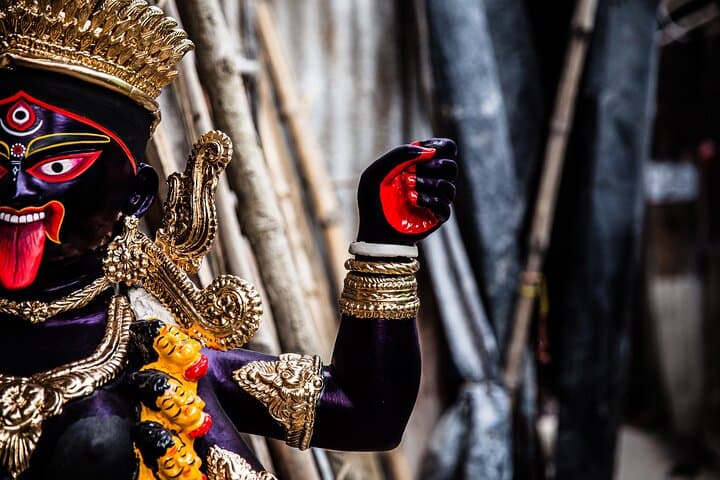
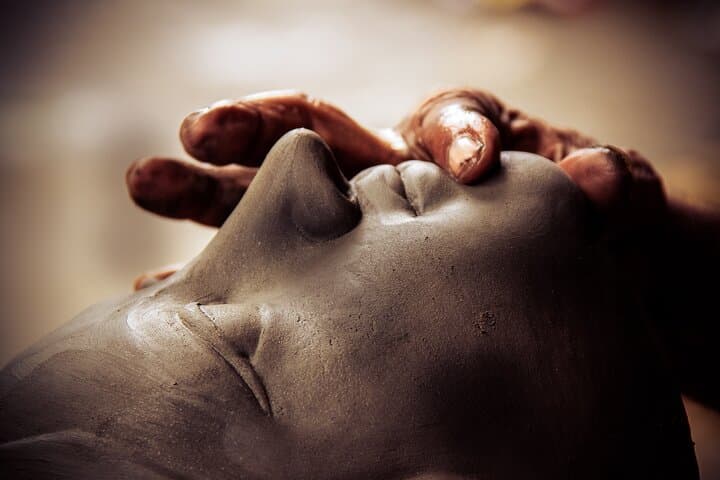
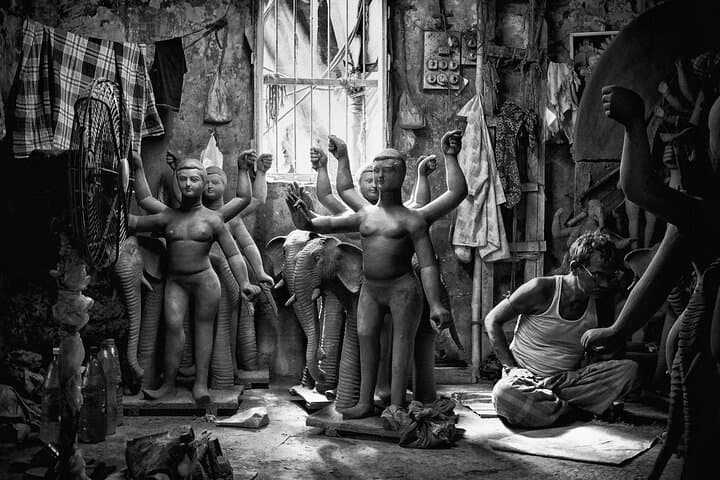
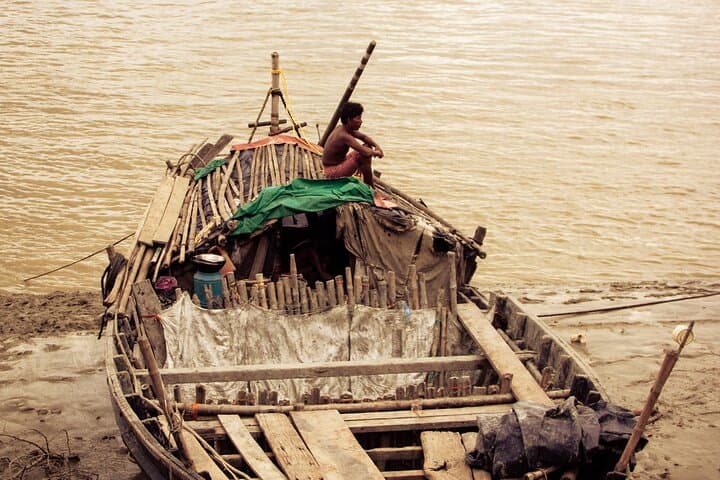
You step into a lane where clay breathes and hands keep time: fine dust lifts with each tap, half-finished faces peer from straw frames, and the Hooghly river glints at the edge of sight. In Kumortuli the air is work-heavy and warm—sawdust, wet clay, linseed oil and a steady rhythm of chisels shaping eyes that will one day stare down whole streets during Durga Puja.
You step into a lane where clay breathes and hands keep time: fine dust lifts with each tap, half-finished faces peer from straw frames, and the Hooghly river glints at the edge of sight. In Kumortuli the air is work-heavy and warm—sawdust, wet clay, linseed oil and a steady rhythm of chisels shaping eyes that will one day stare down whole streets during Durga Puja.
Kumortuli is an artisans’ quarter that has supplied Kolkata with religious icons for centuries. The clay here traditionally comes from the riverbanks and the techniques pass through family lines, balancing quick seasonal demand with delicate sculptural craft. During the tour you’ll see full workshops, apprentice corners, and ghats where finished idols are taken for ritual immersion.
Historically tied to Bengali religious life, these studios help animate city festivals and—in recent decades—export work across India and abroad. Geology and culture intersect: river clay gives form, community gives continuity, and the river claims and returns the finished pieces.
Practical guidance: this is a 3-hour walking tour through narrow alleys and active workshops—wear closed shoes, carry modest clothing, and bring currency for small purchases. Photography is welcome but ask before shooting people or private workshops. The tour includes chai, bottled water, and snacks; plan for brief stops and uneven floors. Best light for photos is late afternoon; mornings are quieter. If you’re a photographer, you don’t need fancy gear—your phone will capture the texture and motion, but a zoom lens helps for candid shots across busy workspaces.
Respect the space, move slowly, and you’ll leave with a clearer sense of how a city’s festivals begin in the hands of a few dedicated studios.