THE ADVENTURE COLLECTIVE® · Independent discovery and booking for outdoor travel

A quick, rewarding half-day hike from Tbilisi to Kojori Fortress that delivers cool mountain air, sweeping gorge views and a compact taste of Georgia’s landscape and history. Perfect for travelers short on time who still want big scenery.
A quick, rewarding half-day hike from Tbilisi to Kojori Fortress that delivers cool mountain air, sweeping gorge views and a compact taste of Georgia’s landscape and history. Perfect for travelers short on time who still want big scenery.
The trail pulls you up from a hilltop village into wind-swept ridgelines where vineyards give way to open grass and stone. Early on, the fortress silhouette looms like an old guard, its crumbling walls framing views across the Algeti and Khrami river gorges and, on clear days, the distant Armenian peaks. The air is noticeably cooler than in the city below; pines and steppe grass trade places with occasional terraced plots and rustic shepherd tracks.
Verified experiences and guided adventures in the surrounding area.
Operated by Join Georgia LLC · Kojori, Tbilisi
The trail pulls you up from a hilltop village into wind-swept ridgelines where vineyards give way to open grass and stone. Early on, the fortress silhouette looms like an old guard, its crumbling walls framing views across the Algeti and Khrami river gorges and, on clear days, the distant Armenian peaks. The air is noticeably cooler than in the city below; pines and steppe grass trade places with occasional terraced plots and rustic shepherd tracks.
Kojori sits about 20 km southwest of Tbilisi and has long been a local respite from summer heat. The fortress dates to medieval defensive networks that watched the routes between Tbilisi and the southern lowlands; nearby Udzo Monastery adds a layer of ecclesiastical calm and clear sightlines for centuries of travelers. Geologically, you’re on folded volcanic and sedimentary foothills that create abrupt drops into river gorges — the views feel raw because the terrain is still actively defined by erosion and gravity.
Expect a steady half-day hike of undulating trails, short stone steps and open ridgelines rather than technical climbing. Practical points: start mid-morning for softer light and cooler temperatures, bring layers for wind at 1,400 m, and carry water — there’s limited infrastructure on the ridge. A local guide can point out vine terraces, shepherd routes and the best photo angles of Tbilisi below.
This is a pragmatic outing for anyone who wants fresh air, a dose of history and big views without a full-day commitment — classic Georgian hospitality often means tea and conversation back in the village at day’s end.
moderate.
4–5 hours.
Suitable for people with regular walking fitness; expect steady uphill sections and uneven trail surfaces.
The guided tour and hike are typically 4–5 hours including short stops; walking time depends on fitness and route choices.
Older children who are comfortable with uneven ground can do the hike when accompanied by an adult; infants should remain in a carrier.
The site is accessible independently but a local guide adds historical context, navigation on minor tracks and transport to/from Tbilisi.
Late spring through early fall offers stable weather and clear views; mornings in summer are cooler while autumn provides crisp air and colors.
Kojori’s fortress was part of medieval defenses overseeing routes into southern Georgia; the area has long been a seasonal refuge for city residents.
Trails are informal in places — stick to durable surfaces, avoid cutting switchbacks and carry out waste; local visitor volumes are low but rising, so respect grazing and cultivated plots.
Join Georgia LLC operates guided outdoor trips and adventures with an emphasis on safety, stewardship, and memorable experiences.
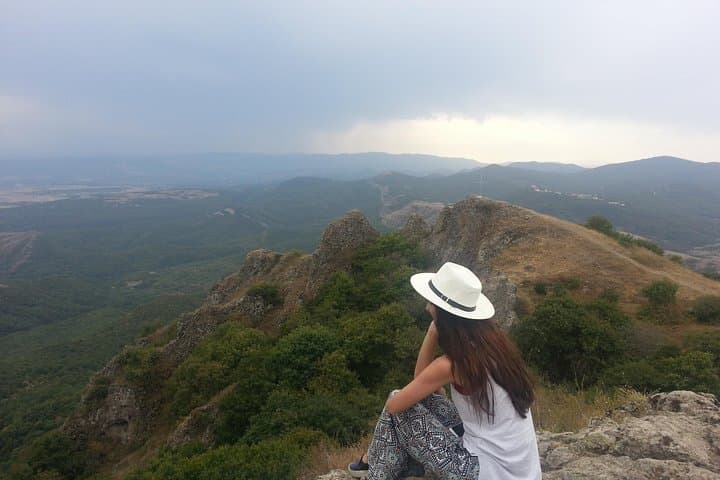
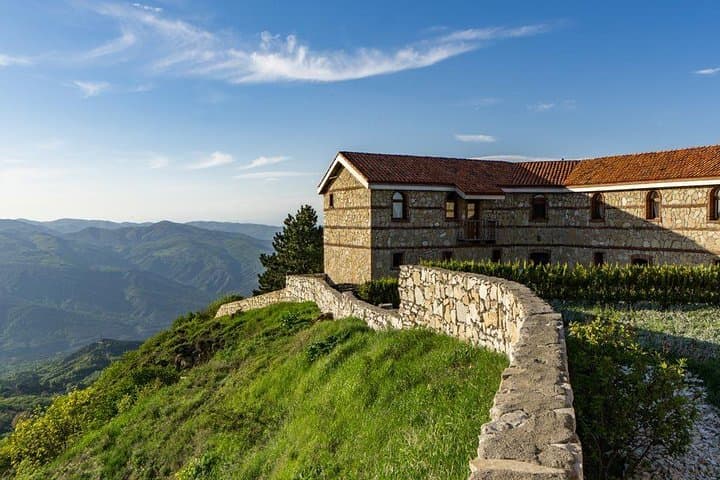
The trail pulls you up from a hilltop village into wind-swept ridgelines where vineyards give way to open grass and stone. Early on, the fortress silhouette looms like an old guard, its crumbling walls framing views across the Algeti and Khrami river gorges and, on clear days, the distant Armenian peaks. The air is noticeably cooler than in the city below; pines and steppe grass trade places with occasional terraced plots and rustic shepherd tracks.
The trail pulls you up from a hilltop village into wind-swept ridgelines where vineyards give way to open grass and stone. Early on, the fortress silhouette looms like an old guard, its crumbling walls framing views across the Algeti and Khrami river gorges and, on clear days, the distant Armenian peaks. The air is noticeably cooler than in the city below; pines and steppe grass trade places with occasional terraced plots and rustic shepherd tracks.
Kojori sits about 20 km southwest of Tbilisi and has long been a local respite from summer heat. The fortress dates to medieval defensive networks that watched the routes between Tbilisi and the southern lowlands; nearby Udzo Monastery adds a layer of ecclesiastical calm and clear sightlines for centuries of travelers. Geologically, you’re on folded volcanic and sedimentary foothills that create abrupt drops into river gorges — the views feel raw because the terrain is still actively defined by erosion and gravity.
Expect a steady half-day hike of undulating trails, short stone steps and open ridgelines rather than technical climbing. Practical points: start mid-morning for softer light and cooler temperatures, bring layers for wind at 1,400 m, and carry water — there’s limited infrastructure on the ridge. A local guide can point out vine terraces, shepherd routes and the best photo angles of Tbilisi below.
This is a pragmatic outing for anyone who wants fresh air, a dose of history and big views without a full-day commitment — classic Georgian hospitality often means tea and conversation back in the village at day’s end.