THE ADVENTURE COLLECTIVE® · Independent discovery and booking for outdoor travel

Cycle through Kojima’s denim district, watch artisans apply whiskering and fading up close, then make your own processed denim tote in WHOVAL’s working factory. This private, interpreter-led tour blends local history with hands-on craft.
Cycle through Kojima’s denim district, watch artisans apply whiskering and fading up close, then make your own processed denim tote in WHOVAL’s working factory. This private, interpreter-led tour blends local history with hands-on craft.
You arrive at Kojima Station as the early-morning light slants off corrugated factory roofs and the smell of sea salt drifts in from the Seto Inland Sea. An interpreter-guide waits to hand over an electric bicycle; the town’s lanes push you forward toward WHOVAL, where denim comes alive under skilled hands.
Verified experiences and guided adventures in the surrounding area.
Operated by TAKAHASHIGAWA TRAVEL · Kurashiki, Okayama
You arrive at Kojima Station as the early-morning light slants off corrugated factory roofs and the smell of sea salt drifts in from the Seto Inland Sea. An interpreter-guide waits to hand over an electric bicycle; the town’s lanes push you forward toward WHOVAL, where denim comes alive under skilled hands.
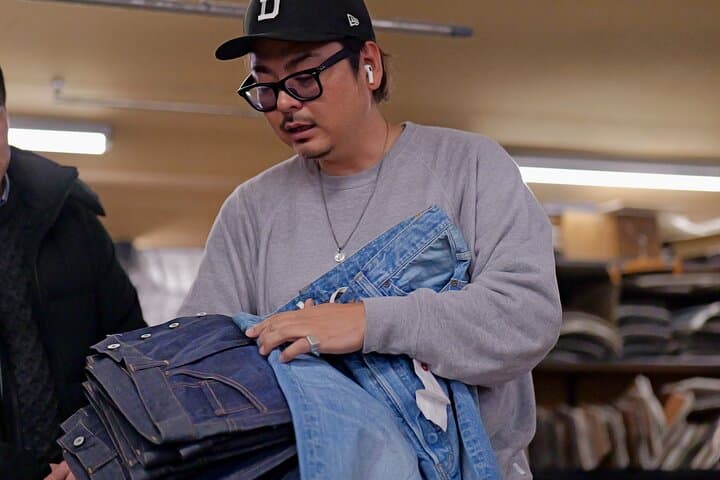
Kojima is the birthplace of Japanese denim — the region’s mills transformed American fabric in the postwar era and produced Japan’s first domestic jeans in 1965. The geology of the area — soft river sediments fed by nearby hills — supported cotton-processing industries and small workshops that grew into today’s specialty clusters. Culture here is craft-first: shopowners, mill workers and artisans trade techniques and limited-edition cuts along Kojima Jeans Street.
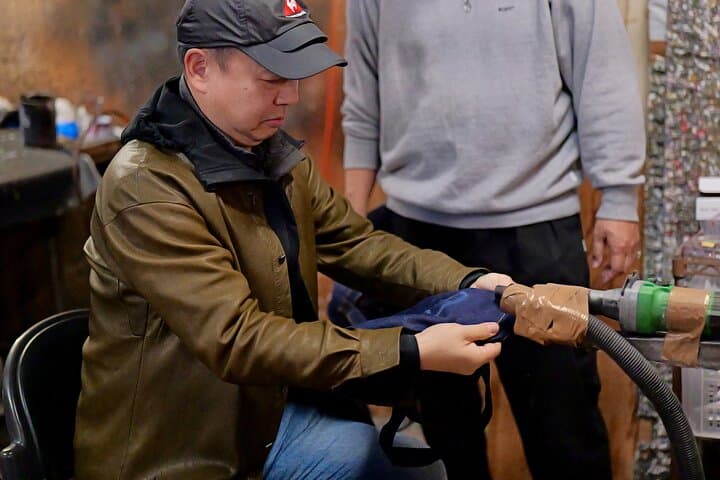
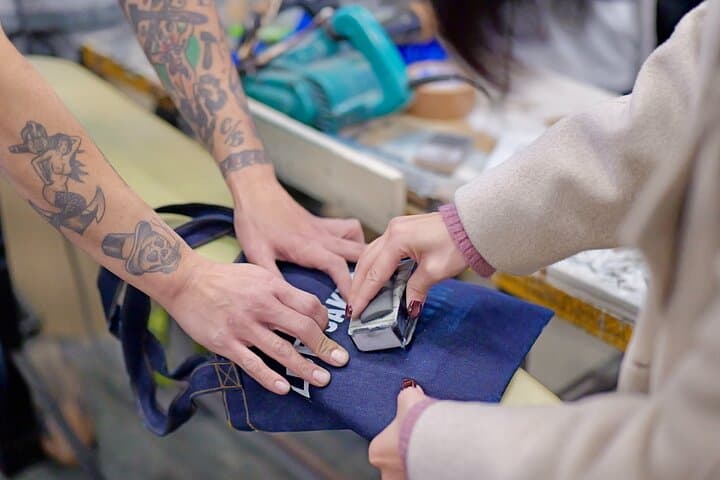
At WHOVAL you’ll watch artisans apply whiskering, hand-sanding, and controlled fading, and learn how modern facilities blend mechanical processing with attention to water use and dye recovery. The workshop lets you operate professional machines and tools to distress and finish a raw denim tote to take home.
Practical guidance: the tour runs about 4–5 hours and involves several short rides on an e-bike, standing in a working factory, and using hand and power tools under supervision. Wear closed-toe shoes, bring a light jacket for coastal breezes, and allow time for browsing boutique shops—limited-edition pieces sell fast. The interpreter makes technical terms accessible, and the private format suits both beginners and denim obsessives eager to see craft at scale.
easy.
4–5 hours.
Suitable for most fitness levels; participants should be comfortable riding a short e-bike route and standing for demonstrations.
Yes — the itinerary includes a short electric-bike ride between the meeting point, WHOVAL, and Kojima Jeans Street; e-bikes are provided and instruction is given.
Yes — the workshop uses professional equipment under instructor supervision; participants receive guidance and personal protective measures before use.
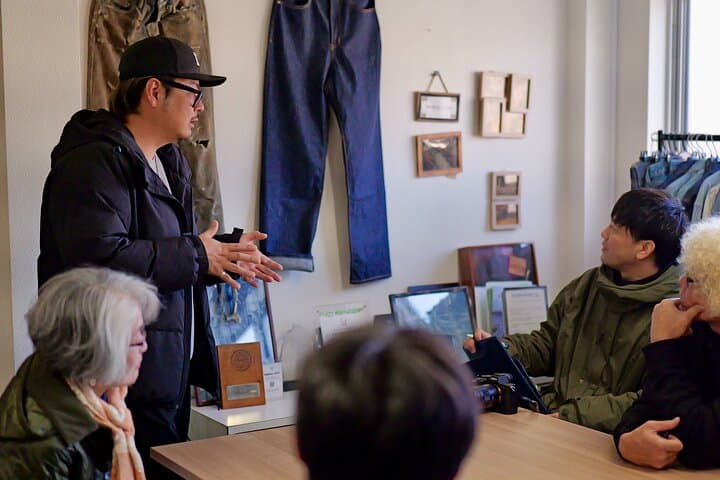
An interpreter-guide is provided as part of the tour, making technical explanations and local history accessible.
Yes — participants keep the tote they process during the workshop as a souvenir.
Kojima grew into a denim hub after local textile mills began adapting imported fabrics in the mid-20th century; by 1965 domestic jeans production had begun, spawning specialized processing workshops.
Manufacturers in the area increasingly emphasize water-reuse, controlled dye discharge and low-impact finishing techniques to reduce environmental footprint.
TAKAHASHIGAWA TRAVEL operates guided outdoor trips and adventures with an emphasis on safety, stewardship, and memorable experiences.
You arrive at Kojima Station as the early-morning light slants off corrugated factory roofs and the smell of sea salt drifts in from the Seto Inland Sea. An interpreter-guide waits to hand over an electric bicycle; the town’s lanes push you forward toward WHOVAL, where denim comes alive under skilled hands.
You arrive at Kojima Station as the early-morning light slants off corrugated factory roofs and the smell of sea salt drifts in from the Seto Inland Sea. An interpreter-guide waits to hand over an electric bicycle; the town’s lanes push you forward toward WHOVAL, where denim comes alive under skilled hands.
Kojima is the birthplace of Japanese denim — the region’s mills transformed American fabric in the postwar era and produced Japan’s first domestic jeans in 1965. The geology of the area — soft river sediments fed by nearby hills — supported cotton-processing industries and small workshops that grew into today’s specialty clusters. Culture here is craft-first: shopowners, mill workers and artisans trade techniques and limited-edition cuts along Kojima Jeans Street.
At WHOVAL you’ll watch artisans apply whiskering, hand-sanding, and controlled fading, and learn how modern facilities blend mechanical processing with attention to water use and dye recovery. The workshop lets you operate professional machines and tools to distress and finish a raw denim tote to take home.
Practical guidance: the tour runs about 4–5 hours and involves several short rides on an e-bike, standing in a working factory, and using hand and power tools under supervision. Wear closed-toe shoes, bring a light jacket for coastal breezes, and allow time for browsing boutique shops—limited-edition pieces sell fast. The interpreter makes technical terms accessible, and the private format suits both beginners and denim obsessives eager to see craft at scale.