THE ADVENTURE COLLECTIVE® · Independent discovery and booking for outdoor travel

Board a six-person vessel from Kealakehe Harbor for an intimate, three-hour search for humpback whales off Kona. Small group size, a hydrophone for whale song, and optional snorkeling make this a focused, personal marine encounter.
Board a six-person vessel from Kealakehe Harbor for an intimate, three-hour search for humpback whales off Kona. Small group size, a hydrophone for whale song, and optional snorkeling make this a focused, personal marine encounter.
Morning sun lifts off the Kona horizon and the ocean breathes a salt-steel chill as a six-person vessel slips from Kealakehe Harbor. The crew scans a flat line of blue for spouts and flukes; when a humpback rises it reshapes the world — a rolling column of water and sound that seems almost intentionally dramatic.
Verified experiences and guided adventures in the surrounding area.
Operated by Kaimana Ocean Safari · Kailua-Kona, Hawaii
Morning sun lifts off the Kona horizon and the ocean breathes a salt-steel chill as a six-person vessel slips from Kealakehe Harbor. The crew scans a flat line of blue for spouts and flukes; when a humpback rises it reshapes the world — a rolling column of water and sound that seems almost intentionally dramatic.
The Big Island’s Kona coast is a place of recent lava flows, fractured basalt cliffs and coral reefs that shelter cleaner fish and migrating whales. Humpbacks arrive from Alaskan feeding grounds each winter to breed and calve in these warm waters; their migrations have been recorded by Hawaiian voyagers and modern scientists alike. The hydrophone can pull their low, mournful songs into the cabin, turning the sea into a listening room where language is measured in pressure and pulse.
Culturally, whalewatching here sits alongside traditional Hawaiian respect for ocean life — crew often combine natural history with island stories and local place names. Geology shows in every glance: black lava coastlines, offshore reefs, and the shadow of Hualālai and Mauna Loa pressing inland.
Practically, the trip is a three-hour, small-boat outing focused on observation with an optional short snorkel if conditions allow. Expect close, quiet viewing from a low freeboard vessel, attentive crew commentary, wind, spray and the possibility of seasickness. Bring reef-safe sunscreen, a wind layer, and motion-sickness remedies; plan winter visits (Dec–Apr) for best odds. Operators run small groups for a more personal experience and often require basic mobility for boarding and ladder use if you snorkel.
moderate.
3 hours.
Moderate fitness for short boat transfers, boarding ladders for optional snorkel, and the ability to remain steady on a moving boat.
Peak season is winter through early spring (roughly December–April) when whales migrate to Hawaiian waters to breed and calve.
No — snorkeling is optional and depends on sea conditions and time; the primary focus is whale observation.
Participants must be at least 4ft tall, under 250lbs, able to climb a vertical ladder if snorkeling, and not recently post-surgery; not recommended for those with serious heart or back conditions or pregnancy.
The vessel seats up to six for a more personal experience; private charters are offered when booked as a custom option.
Humpback migrations to Hawaiian waters have been recorded by Native Hawaiian voyagers and later by scientific surveys; the Kona coast has long been a seasonal refuge for breeding whales.
Operators follow NOAA guidelines and often use hydrophones to observe without intrusive approaches; visitors should use reef-safe sunscreen and avoid disturbing marine mammals.
Kaimana Ocean Safari operates guided outdoor trips and adventures with an emphasis on safety, stewardship, and memorable experiences.
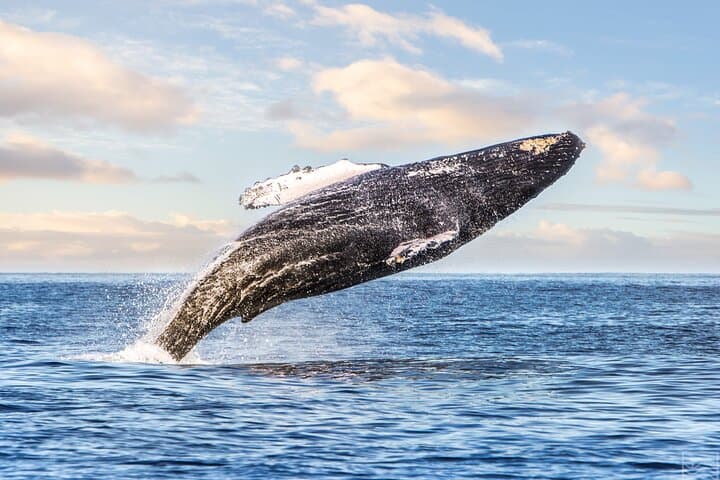
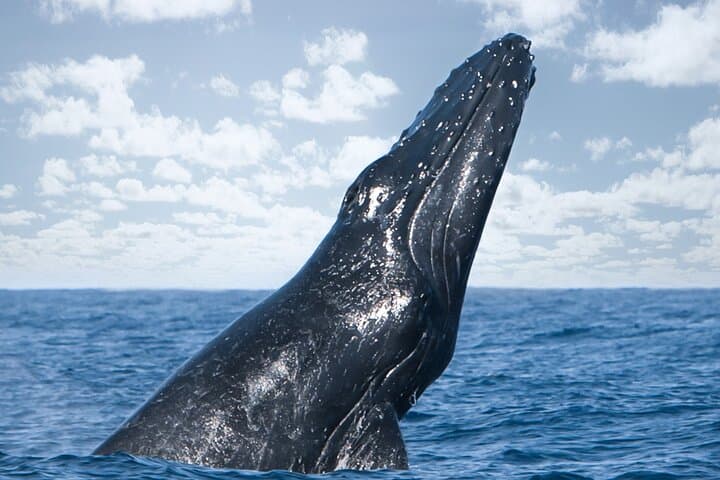
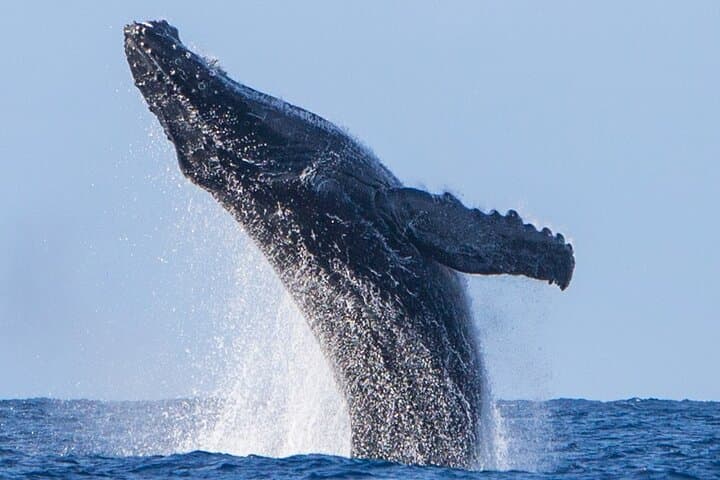
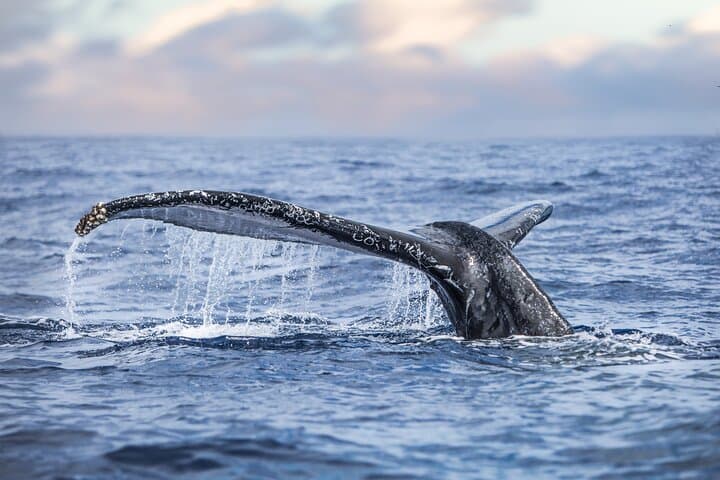
Morning sun lifts off the Kona horizon and the ocean breathes a salt-steel chill as a six-person vessel slips from Kealakehe Harbor. The crew scans a flat line of blue for spouts and flukes; when a humpback rises it reshapes the world — a rolling column of water and sound that seems almost intentionally dramatic.
Morning sun lifts off the Kona horizon and the ocean breathes a salt-steel chill as a six-person vessel slips from Kealakehe Harbor. The crew scans a flat line of blue for spouts and flukes; when a humpback rises it reshapes the world — a rolling column of water and sound that seems almost intentionally dramatic.
The Big Island’s Kona coast is a place of recent lava flows, fractured basalt cliffs and coral reefs that shelter cleaner fish and migrating whales. Humpbacks arrive from Alaskan feeding grounds each winter to breed and calve in these warm waters; their migrations have been recorded by Hawaiian voyagers and modern scientists alike. The hydrophone can pull their low, mournful songs into the cabin, turning the sea into a listening room where language is measured in pressure and pulse.
Culturally, whalewatching here sits alongside traditional Hawaiian respect for ocean life — crew often combine natural history with island stories and local place names. Geology shows in every glance: black lava coastlines, offshore reefs, and the shadow of Hualālai and Mauna Loa pressing inland.
Practically, the trip is a three-hour, small-boat outing focused on observation with an optional short snorkel if conditions allow. Expect close, quiet viewing from a low freeboard vessel, attentive crew commentary, wind, spray and the possibility of seasickness. Bring reef-safe sunscreen, a wind layer, and motion-sickness remedies; plan winter visits (Dec–Apr) for best odds. Operators run small groups for a more personal experience and often require basic mobility for boarding and ladder use if you snorkel.