THE ADVENTURE COLLECTIVE® · Independent discovery and booking for outdoor travel

Train, dive, and qualify in three action-packed days on Koh Tao. This open water course combines classroom sessions, confined-water drills, and open-ocean dives to 18m at calm, clarity-rich sites.
Train, dive, and qualify in three action-packed days on Koh Tao. This open water course combines classroom sessions, confined-water drills, and open-ocean dives to 18m at calm, clarity-rich sites.
The boat eases away from Mae Haad as the island shrinks into a band of palms and rock. Salt air sharpens the brain while instructors run through checks; beneath the surface a limestone reef waits, its fingers splayed toward the sun. Over three days on Koh Tao, students move from classroom to confined-water practice to two open-ocean dives that qualify them to 18 meters.
Verified experiences and guided adventures in the surrounding area.
Operated by Koh Tao Scuba Club · Mae Haad, Surat Thani
The boat eases away from Mae Haad as the island shrinks into a band of palms and rock. Salt air sharpens the brain while instructors run through checks; beneath the surface a limestone reef waits, its fingers splayed toward the sun. Over three days on Koh Tao, students move from classroom to confined-water practice to two open-ocean dives that qualify them to 18 meters.
Koh Tao earned the nickname “Turtle Island” long before its dive schools proliferated — local fishers and seasonal traders used the small harbor for centuries, and the coral platforms are carved from uplifted reef and volcanic base rock. Today the town balances tourist trade with a diving culture born in the 1990s: dive boats, training sites with calm entries, and a network of small operators offering performance-based instruction.
Expect clear, warm water, sheltered bay sites ideal for skill drills, and boat runs of 10–40 minutes to shallow reefs. Instructors guide mask-clearing, buoyancy control, and emergency drills in confined water before the two qualifying open-water dives to 12–18m. Practical tips: hydrate and avoid alcohol before dives, eat light meals between sessions, and practice equalizing early and often.
The course is physically moderate — repeated entries, surface swims, and confined-skill repetitions — and requires basic swimming comfort. Equipment is provided, but many students bring a fitted mask and a personal snorkel. Completion leaves you with a digital certification and the freedom to explore Thailand’s reefs under the supervision of a certified buddy.
moderate.
3 days.
Moderate cardio and mobility—able to swim 200m and handle repeated water entries; some surface swimming required.
Most schools accept students from 10–12 years old for junior certifications; confirm age limits with the operator before booking.
Yes—students should be comfortable in the water and able to swim; formal swim tests vary by provider but basic competency is required.
Yes—SCUBA equipment is supplied, including cylinders, BCDs, regulators, and weights; many students bring a personal mask or fins for fit.
Upon successful completion of the confined skills, four open water dives, and the final exam, you receive a digital open water certification valid internationally.
Koh Tao was a small fishing and agricultural community that transformed into a diving hub in the late 20th century; its name means “turtle island,” referencing local marine life.
Reefs here are sensitive—use reef-safe sunblock, avoid touching coral, and choose operators that follow no-touch policies and proper buoyancy training.
Koh Tao Scuba Club operates guided outdoor trips and adventures with an emphasis on safety, stewardship, and memorable experiences.
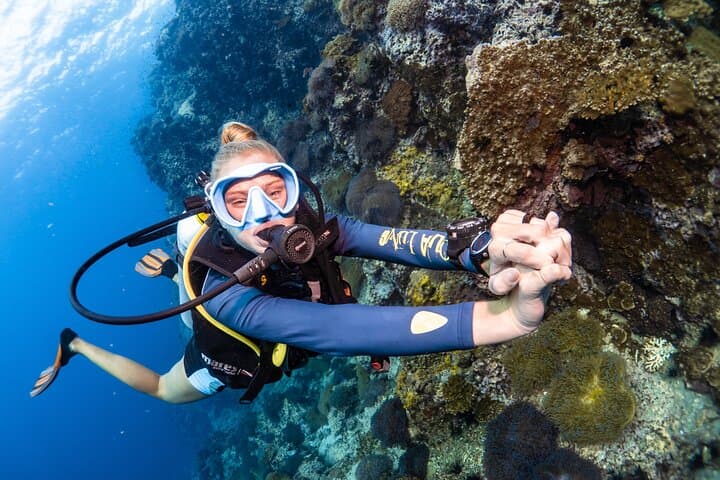
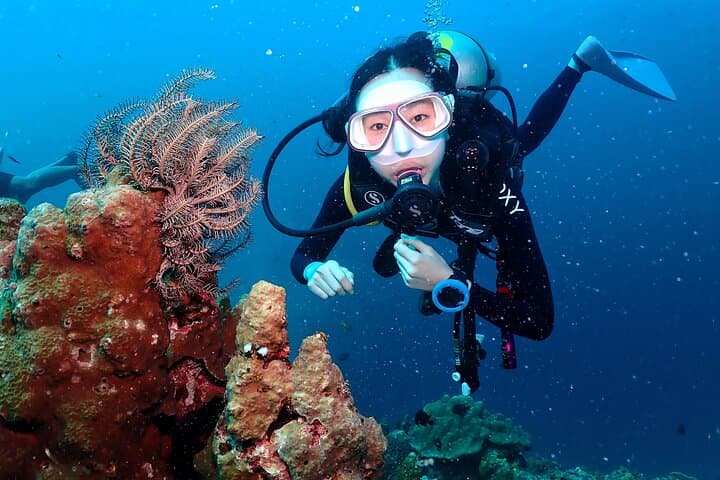
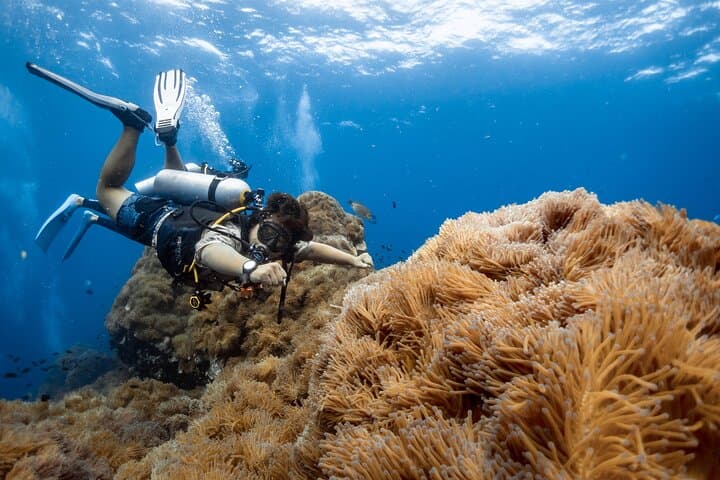
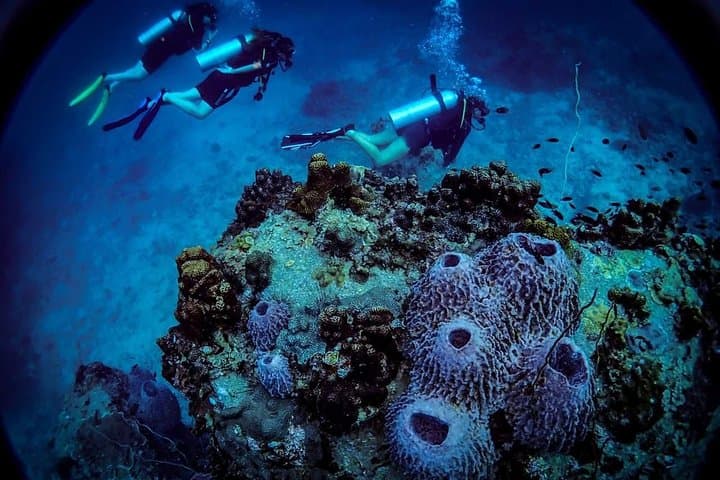
The boat eases away from Mae Haad as the island shrinks into a band of palms and rock. Salt air sharpens the brain while instructors run through checks; beneath the surface a limestone reef waits, its fingers splayed toward the sun. Over three days on Koh Tao, students move from classroom to confined-water practice to two open-ocean dives that qualify them to 18 meters.
The boat eases away from Mae Haad as the island shrinks into a band of palms and rock. Salt air sharpens the brain while instructors run through checks; beneath the surface a limestone reef waits, its fingers splayed toward the sun. Over three days on Koh Tao, students move from classroom to confined-water practice to two open-ocean dives that qualify them to 18 meters.
Koh Tao earned the nickname “Turtle Island” long before its dive schools proliferated — local fishers and seasonal traders used the small harbor for centuries, and the coral platforms are carved from uplifted reef and volcanic base rock. Today the town balances tourist trade with a diving culture born in the 1990s: dive boats, training sites with calm entries, and a network of small operators offering performance-based instruction.
Expect clear, warm water, sheltered bay sites ideal for skill drills, and boat runs of 10–40 minutes to shallow reefs. Instructors guide mask-clearing, buoyancy control, and emergency drills in confined water before the two qualifying open-water dives to 12–18m. Practical tips: hydrate and avoid alcohol before dives, eat light meals between sessions, and practice equalizing early and often.
The course is physically moderate — repeated entries, surface swims, and confined-skill repetitions — and requires basic swimming comfort. Equipment is provided, but many students bring a fitted mask and a personal snorkel. Completion leaves you with a digital certification and the freedom to explore Thailand’s reefs under the supervision of a certified buddy.