THE ADVENTURE COLLECTIVE® · Independent discovery and booking for outdoor travel

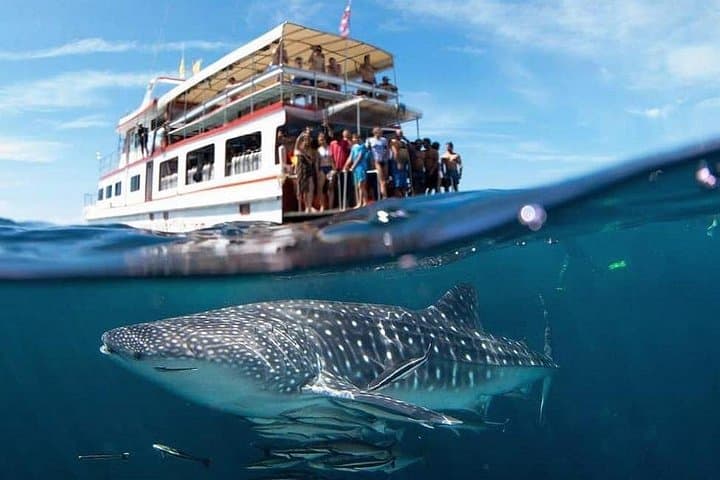
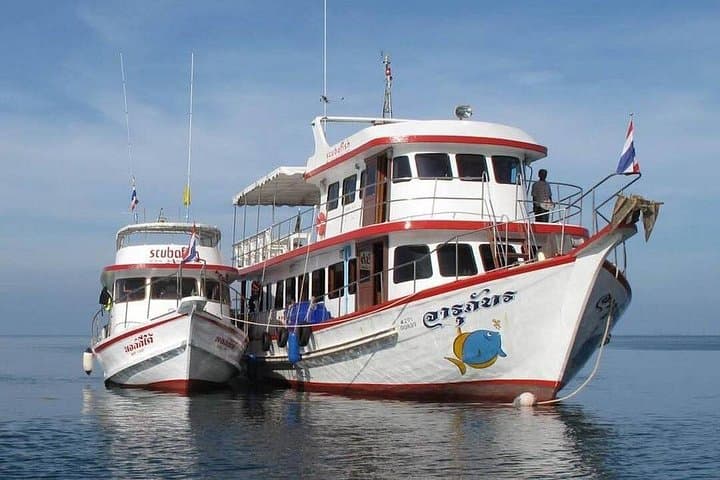
Spend a day aboard a luxury dive boat from Koh Lanta exploring Koh Haa or the Bida Islands with two guided dives, meals on deck, and optional third dive. Expect clear water, limestone pinnacles, and abundant reef life—ideal for certified divers.
Spend a day aboard a luxury dive boat from Koh Lanta exploring Koh Haa or the Bida Islands with two guided dives, meals on deck, and optional third dive. Expect clear water, limestone pinnacles, and abundant reef life—ideal for certified divers.
You step onto the wake of a luxury dive boat as the island recedes, salt on your lips and a thermos of coffee warming your hands. The morning light strips the limestone cliffs of Koh Lanta to hard edges; the sea ahead is flat enough to reflect sky and the promise of coral below. After a concise safety briefing, the guide points out the day’s route—two primary dives at Koh Haa (high season) or the Bida Islands near Phi Phi (low season).
Verified experiences and guided adventures in the surrounding area.
Operated by Scubafish · Saladan, Krabi Province
You step onto the wake of a luxury dive boat as the island recedes, salt on your lips and a thermos of coffee warming your hands. The morning light strips the limestone cliffs of Koh Lanta to hard edges; the sea ahead is flat enough to reflect sky and the promise of coral below. After a concise safety briefing, the guide points out the day’s route—two primary dives at Koh Haa (high season) or the Bida Islands near Phi Phi (low season).
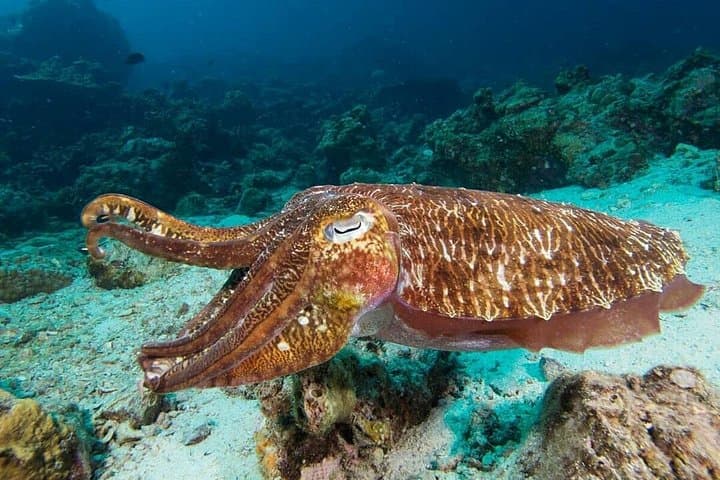
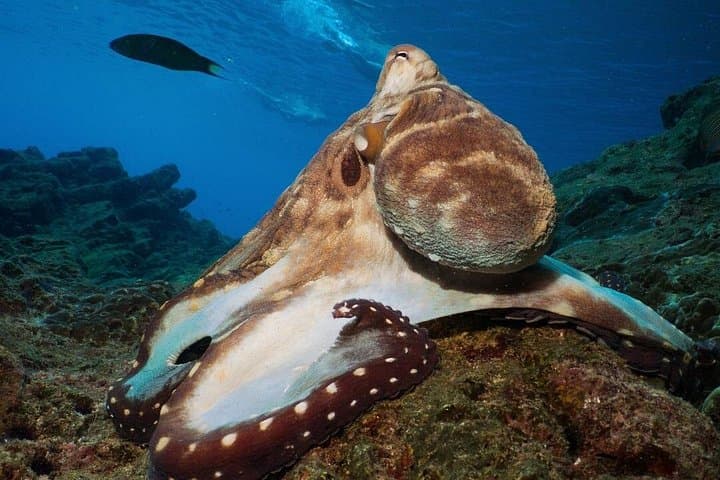
This stretch of the Andaman Sea has been shaped by uplifted limestone and coral growth over millennia; underwater, bommies and swim-throughs harbor clownfish, parrotfish, and gorgonians. Koh Haa’s clear lagoons and the Bida pinnacles offer steep walls and abundant macro life, while Bida is known for resident reef sharks and cleaner stations.
Local dive culture is practical: quick briefings, conservative profiles, and a return-to-surface ethos shaped by safety and tourism regulations in Krabi Province. Expect short transfers from Koh Lanta piers and meals served on deck—Thai breakfast, fresh fruit, and a hot lunch between dives.
Practical guidance: bring certification card, logbook, and recent dive experience (within a year). Hydrate before boarding, apply reef-safe sunscreen, and carry a light jacket for breezy returns. If you opt out of a third dive, the boat’s sun decks and snorkeling gear make it easy to stay involved without diving. Plan travel around the October–May high season for Koh Haa clarity, and heed dive-operator checks on fitness and weight limits before signing on.
moderate.
8 hours.
Moderate fitness; able to enter/exit boats, carry light gear, and perform basic buddy-breathing under guidance
Yes—participants must hold a PADI Open Water or equivalent certification and bring their certification card and logbook.
Roundtrip pickup from Koh Lanta resorts, breakfast, lunch, snacks, bottled water, use of scuba equipment, and onboard restrooms are included.
Yes—an optional third dive may be offered depending on conditions for an extra charge; non-divers can snorkel or relax on deck.
Operators prefer recent experience; you should disclose your diving history—refresher courses may be required for safety.
The Andaman islands were shaped by tectonic uplift and local seafaring communities; modern dive tourism grew here after the 1980s with improved boat access.
Operators promote reef-safe sunscreen and responsible buoyancy to minimize coral damage; follow briefings to reduce diver impact on sensitive sites.
Scubafish operates guided outdoor trips and adventures with an emphasis on safety, stewardship, and memorable experiences.
You step onto the wake of a luxury dive boat as the island recedes, salt on your lips and a thermos of coffee warming your hands. The morning light strips the limestone cliffs of Koh Lanta to hard edges; the sea ahead is flat enough to reflect sky and the promise of coral below. After a concise safety briefing, the guide points out the day’s route—two primary dives at Koh Haa (high season) or the Bida Islands near Phi Phi (low season).
You step onto the wake of a luxury dive boat as the island recedes, salt on your lips and a thermos of coffee warming your hands. The morning light strips the limestone cliffs of Koh Lanta to hard edges; the sea ahead is flat enough to reflect sky and the promise of coral below. After a concise safety briefing, the guide points out the day’s route—two primary dives at Koh Haa (high season) or the Bida Islands near Phi Phi (low season).
This stretch of the Andaman Sea has been shaped by uplifted limestone and coral growth over millennia; underwater, bommies and swim-throughs harbor clownfish, parrotfish, and gorgonians. Koh Haa’s clear lagoons and the Bida pinnacles offer steep walls and abundant macro life, while Bida is known for resident reef sharks and cleaner stations.
Local dive culture is practical: quick briefings, conservative profiles, and a return-to-surface ethos shaped by safety and tourism regulations in Krabi Province. Expect short transfers from Koh Lanta piers and meals served on deck—Thai breakfast, fresh fruit, and a hot lunch between dives.
Practical guidance: bring certification card, logbook, and recent dive experience (within a year). Hydrate before boarding, apply reef-safe sunscreen, and carry a light jacket for breezy returns. If you opt out of a third dive, the boat’s sun decks and snorkeling gear make it easy to stay involved without diving. Plan travel around the October–May high season for Koh Haa clarity, and heed dive-operator checks on fitness and weight limits before signing on.