THE ADVENTURE COLLECTIVE® · Independent discovery and booking for outdoor travel

A full-day exploration that pairs Koh Ker’s stepped pyramid with the wild corridors of Beng Mealea. Ideal for travelers wanting a quieter, more exploratory temple experience outside Angkor.
A full-day exploration that pairs Koh Ker’s stepped pyramid with the wild corridors of Beng Mealea. Ideal for travelers wanting a quieter, more exploratory temple experience outside Angkor.
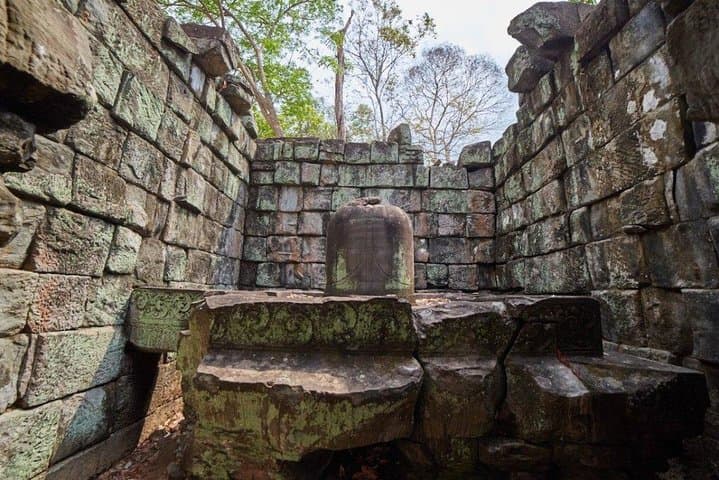
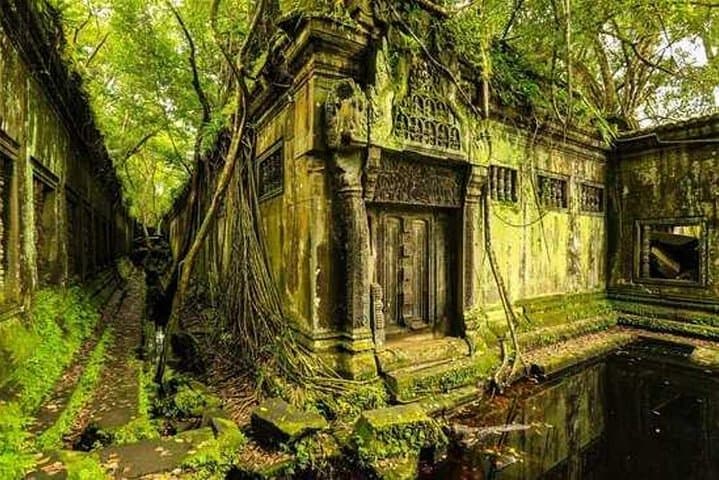
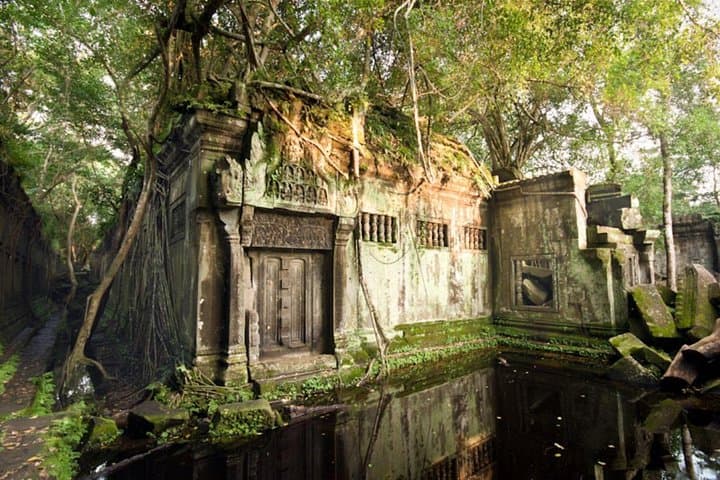
You step out of the minibus into a clearing where temple stones shoulder their way through the forest, and the air smells of dust and damp leaves. The day begins with Koh Ker’s stepped pyramid—Prasat Thom—rising abruptly above scrub and palm, its jagged silhouette daring you to climb. Later, Beng Mealea unfolds as an adventure in slow motion: crumbling galleries, trees threading roots through sandstone, and corridors that demand careful footing and quiet curiosity.
Verified experiences and guided adventures in the surrounding area.
Operated by Trip Focus Cambodia · Siem Reap, Siem Reap Province
You step out of the minibus into a clearing where temple stones shoulder their way through the forest, and the air smells of dust and damp leaves. The day begins with Koh Ker’s stepped pyramid—Prasat Thom—rising abruptly above scrub and palm, its jagged silhouette daring you to climb. Later, Beng Mealea unfolds as an adventure in slow motion: crumbling galleries, trees threading roots through sandstone, and corridors that demand careful footing and quiet curiosity.
Koh Ker was the 10th-century, short-lived Khmer capital under Jayavarman IV; its temples are red sandstone and laterite, sited on a remote ridge. Beng Mealea, often compared to Angkor Wat architecturally, dates from the 12th century and was gradually reclaimed by the jungle—its blocks shifted and stacked by time and vines.
Culturally, these sites are less developed than Angkor, meaning fewer fences and more room to explore, but also fewer amenities. Locals in nearby villages still practice rice farming and maintain small markets where pottery and woven goods appear.
Practical guidance: plan for uneven stone and loose footing—sturdy shoes are essential. Bring cash for entrance fees, local snacks, and donations; guide narration will add historical context but not replace careful route choice. Expect a full day (4–8 hours, including travel), limited shade between sites, and strong sun in the dry season. Hydrate frequently, use insect repellent, and leave no trace: these structures are fragile and benefit from respectful visitors. With reasonable preparation, the tour delivers both the thrill of exploration and a clear window into Cambodia’s layered past.
moderate.
4–8 hours.
Suitable for travelers comfortable with several hours of walking, climbing low steps, and uneven terrain.
No—the tour notes indicate admissions to Koh Ker and Beng Mealea are not included; bring cash in US dollars or riel to pay on-site.
The full experience is 4–8 hours depending on pickup and traffic; travel from Siem Reap to each site typically adds 1–1.5 hours each way.
Yes—physical demands are light to moderate with short climbs and uneven paths; supervise children on steep or root-covered sections.
Expect basic facilities and local snack options near the sites; bring water and snacks for comfort, as amenities are limited compared to Angkor.
Koh Ker briefly served as the 10th-century Khmer capital under Jayavarman IV; Beng Mealea is a 12th-century temple built in the Angkor architectural style and later reclaimed by jungle growth.
These temple sites are vulnerable to erosion and visitor wear—stay on durable ground, avoid climbing fragile carvings, and support local conservation through guide fees or donations.
Trip Focus Cambodia operates guided outdoor trips and adventures with an emphasis on safety, stewardship, and memorable experiences.

You step out of the minibus into a clearing where temple stones shoulder their way through the forest, and the air smells of dust and damp leaves. The day begins with Koh Ker’s stepped pyramid—Prasat Thom—rising abruptly above scrub and palm, its jagged silhouette daring you to climb. Later, Beng Mealea unfolds as an adventure in slow motion: crumbling galleries, trees threading roots through sandstone, and corridors that demand careful footing and quiet curiosity.
You step out of the minibus into a clearing where temple stones shoulder their way through the forest, and the air smells of dust and damp leaves. The day begins with Koh Ker’s stepped pyramid—Prasat Thom—rising abruptly above scrub and palm, its jagged silhouette daring you to climb. Later, Beng Mealea unfolds as an adventure in slow motion: crumbling galleries, trees threading roots through sandstone, and corridors that demand careful footing and quiet curiosity.
Koh Ker was the 10th-century, short-lived Khmer capital under Jayavarman IV; its temples are red sandstone and laterite, sited on a remote ridge. Beng Mealea, often compared to Angkor Wat architecturally, dates from the 12th century and was gradually reclaimed by the jungle—its blocks shifted and stacked by time and vines.
Culturally, these sites are less developed than Angkor, meaning fewer fences and more room to explore, but also fewer amenities. Locals in nearby villages still practice rice farming and maintain small markets where pottery and woven goods appear.
Practical guidance: plan for uneven stone and loose footing—sturdy shoes are essential. Bring cash for entrance fees, local snacks, and donations; guide narration will add historical context but not replace careful route choice. Expect a full day (4–8 hours, including travel), limited shade between sites, and strong sun in the dry season. Hydrate frequently, use insect repellent, and leave no trace: these structures are fragile and benefit from respectful visitors. With reasonable preparation, the tour delivers both the thrill of exploration and a clear window into Cambodia’s layered past.