THE ADVENTURE COLLECTIVE® · Independent discovery and booking for outdoor travel

Explore Koenji’s vintage arcades, hidden shrines, and independent cafés on a three-hour guided walk with a local host. Expect secondhand shops, street art, and small temples off the main drag—perfect for travelers who prefer discovery over itineraries.
Explore Koenji’s vintage arcades, hidden shrines, and independent cafés on a three-hour guided walk with a local host. Expect secondhand shops, street art, and small temples off the main drag—perfect for travelers who prefer discovery over itineraries.
You step off the JR Chuo Line and the city shifts—alleyways lean in, neon signs lean back, and the hum of trains becomes part of the neighborhood pulse. Koenji's narrow shopping arcades open into pockets of vintage clothing racks, graffiti-tagged shutters, and tiny cafés where the espresso breathes like a local. The air smells of toast and soy as your host leads you past a weathered Shinto shrine tucked between record shops and a Buddhist temple whose stones have seen centuries.
Verified experiences and guided adventures in the surrounding area.
Operated by The Washoku Club Culture and Food Tours · Tokyo, Tokyo
You step off the JR Chuo Line and the city shifts—alleyways lean in, neon signs lean back, and the hum of trains becomes part of the neighborhood pulse. Koenji's narrow shopping arcades open into pockets of vintage clothing racks, graffiti-tagged shutters, and tiny cafés where the espresso breathes like a local. The air smells of toast and soy as your host leads you past a weathered Shinto shrine tucked between record shops and a Buddhist temple whose stones have seen centuries.
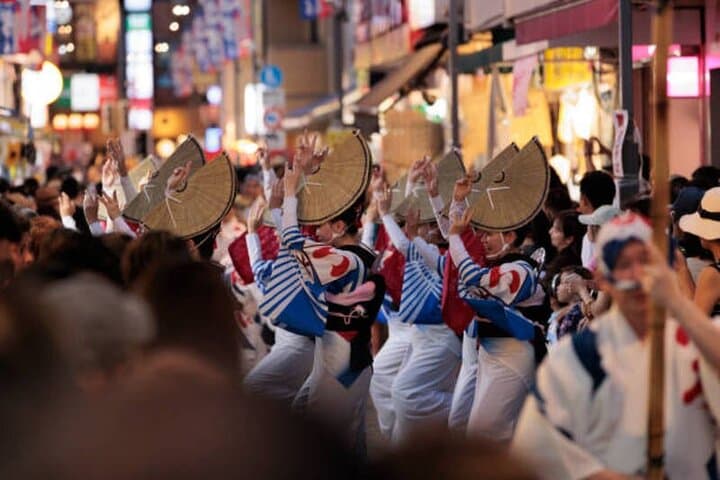
Koenji sits on the Musashino Terrace, an elevated plain west of central Tokyo, and its streets reflect layers of history: merchant lanes from the Edo era, wartime rebuilding, and a postwar counterculture that birthed live houses and the Awa Odori festival each August. Geologically subtle, the area’s elevation makes for a compact grid of slopes and steps rather than sweeping vistas—what it lacks in mountains it makes up for in texture: tiled roofs, temple ponds, and alley gardens.
Culturally, Koenji is known for thrift stores, used-record shops, and a fiercely local music scene; expect colorful shopfronts and conversation more than polished tourism. Practical guidance: this is a three-hour walking experience—wear supportive shoes, bring cash for small cafés and shops, and use an IC transit card to get there via Koenji Station on the JR Chuo Line. Respect shrine etiquette (bow, remove hats) and keep noise low inside temples. Your host will tailor the route—ask about live houses if you want evening recommendations—and leave space in your schedule to linger in a single shop or alley; that’s where Koenji reveals itself.
easy.
3 hours.
Suitable for most fitness levels; requires standing and walking for several hours.
The tour meets near Koenji Station, accessible by the JR Chuo Line; your booking confirmation will include exact meeting details.
Koenji's streets include narrow alleys and some steps; accessibility varies—contact the operator ahead to discuss specific needs.
Guides typically provide English commentary, but confirm language availability when booking to ensure a match.
Yes—many shops sell secondhand and vintage items; sizes and returns vary, so try on when possible and bring cash or a card.
Koenji grew from Edo-period routes across the Musashino Terrace and houses Koenji Temple, founded in the mid-16th century, anchoring the neighborhood's long presence.
Support local businesses to keep vintage shops viable and carry out any waste; small urban greenspaces and temple gardens are cared for by neighborhood groups—respect signs and plantings.
The Washoku Club Culture and Food Tours operates guided outdoor trips and adventures with an emphasis on safety, stewardship, and memorable experiences.

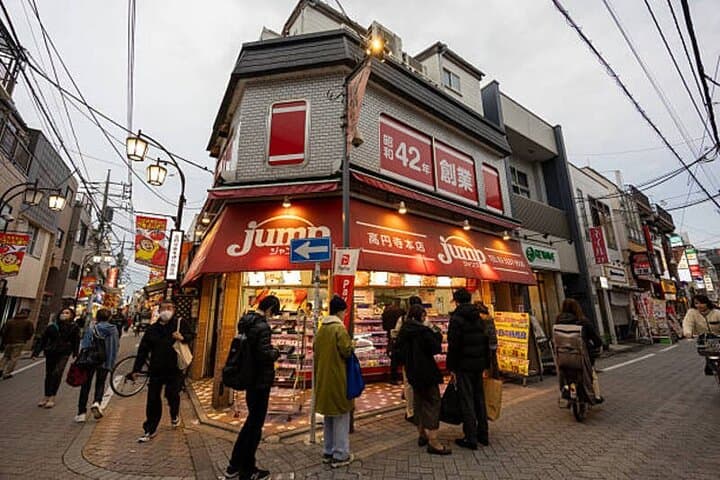
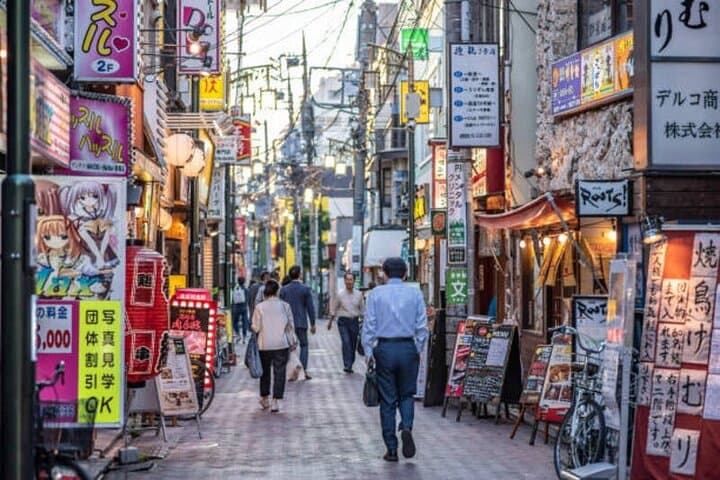
You step off the JR Chuo Line and the city shifts—alleyways lean in, neon signs lean back, and the hum of trains becomes part of the neighborhood pulse. Koenji's narrow shopping arcades open into pockets of vintage clothing racks, graffiti-tagged shutters, and tiny cafés where the espresso breathes like a local. The air smells of toast and soy as your host leads you past a weathered Shinto shrine tucked between record shops and a Buddhist temple whose stones have seen centuries.
You step off the JR Chuo Line and the city shifts—alleyways lean in, neon signs lean back, and the hum of trains becomes part of the neighborhood pulse. Koenji's narrow shopping arcades open into pockets of vintage clothing racks, graffiti-tagged shutters, and tiny cafés where the espresso breathes like a local. The air smells of toast and soy as your host leads you past a weathered Shinto shrine tucked between record shops and a Buddhist temple whose stones have seen centuries.
Koenji sits on the Musashino Terrace, an elevated plain west of central Tokyo, and its streets reflect layers of history: merchant lanes from the Edo era, wartime rebuilding, and a postwar counterculture that birthed live houses and the Awa Odori festival each August. Geologically subtle, the area’s elevation makes for a compact grid of slopes and steps rather than sweeping vistas—what it lacks in mountains it makes up for in texture: tiled roofs, temple ponds, and alley gardens.
Culturally, Koenji is known for thrift stores, used-record shops, and a fiercely local music scene; expect colorful shopfronts and conversation more than polished tourism. Practical guidance: this is a three-hour walking experience—wear supportive shoes, bring cash for small cafés and shops, and use an IC transit card to get there via Koenji Station on the JR Chuo Line. Respect shrine etiquette (bow, remove hats) and keep noise low inside temples. Your host will tailor the route—ask about live houses if you want evening recommendations—and leave space in your schedule to linger in a single shop or alley; that’s where Koenji reveals itself.