THE ADVENTURE COLLECTIVE® · Independent discovery and booking for outdoor travel

An overnight camping and summit hike from Kandy to Kodiyaragala via Mandaram Nuwara: steep jungle trails, a three-hour ascent to panoramic highland views, a windswept campsite and a morning waterfall bath. Practical, adventurous and suited to fit hikers.
An overnight camping and summit hike from Kandy to Kodiyaragala via Mandaram Nuwara: steep jungle trails, a three-hour ascent to panoramic highland views, a windswept campsite and a morning waterfall bath. Practical, adventurous and suited to fit hikers.
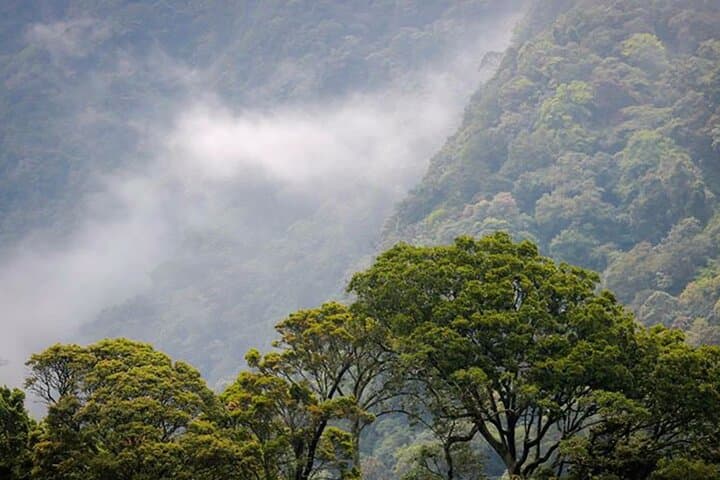
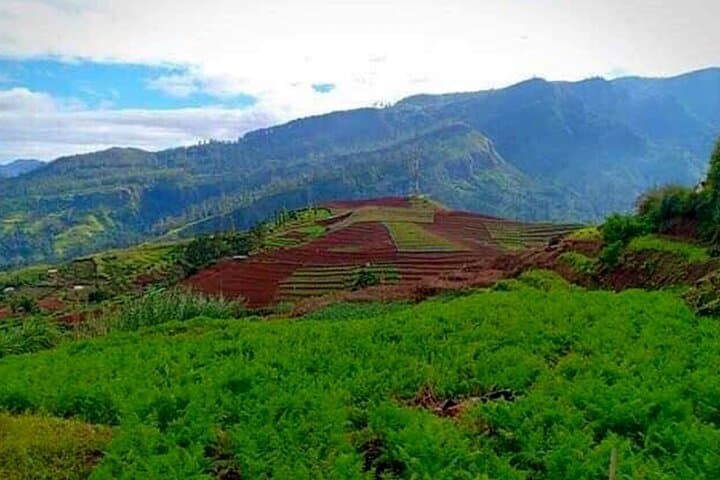
Before sunrise a van hums out of Kandy and the road narrows into green: tea terraces giving way to thicker hill forest. By midmorning walkers leave the vehicle at a small village, shoulder their packs and set into a jungle trail that quickly grows vertical. The path is alive — roots grab at boots, a stray stream dares you to cross, and leeches remember your passage.
Verified experiences and guided adventures in the surrounding area.
Operated by Ceylon Travel Dream · Mandaram Nuwara, Central Province
Before sunrise a van hums out of Kandy and the road narrows into green: tea terraces giving way to thicker hill forest. By midmorning walkers leave the vehicle at a small village, shoulder their packs and set into a jungle trail that quickly grows vertical. The path is alive — roots grab at boots, a stray stream dares you to cross, and leeches remember your passage.
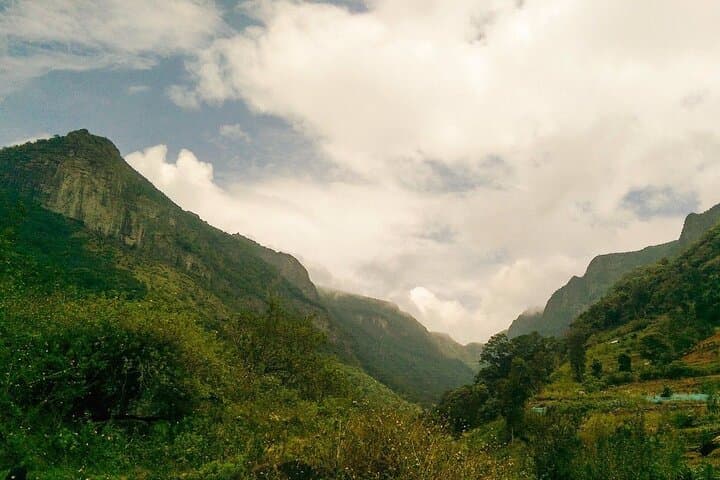
After roughly three hours of mixed dirt, slick rock and dense understory the ridge opens to Kodiyaragala’s summit. The view is raw: folded hills that hint at the island’s uplifted highlands and the long work of erosion that carved deep valleys. That evening the group returns to a simple campsite in Mandaram Nuwara where wind funnels through the corrugated skyline, a campfire pushes back the cold, and food tastes sharper after a hard day on the trail.
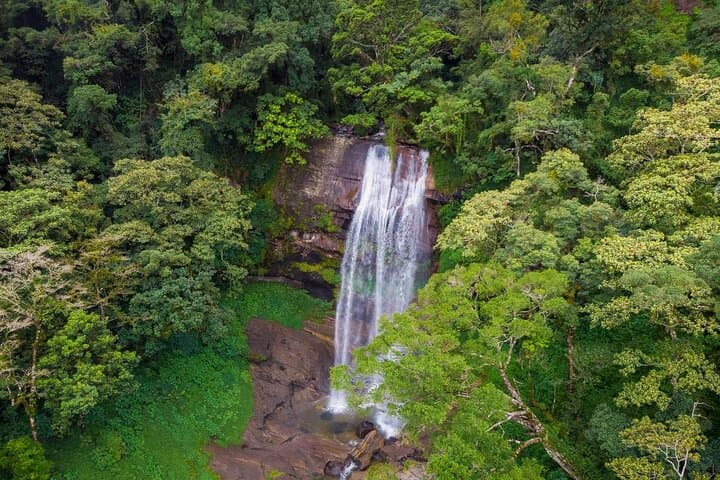
The area sits within Sri Lanka’s central highlands, where laterite and metamorphosed sediments meet old volcanic intrusions; local villages still draw from natural springs and keep traditions tied to small-scale farming and tea work. The next morning a short walk finds a waterfall with natural bathing pools — a practical, refreshing end to the overnight.
Practical guidance: expect steep, slippery sections and leeches in the wet season; wear waterproof boots, gaiters or leech socks, and pack a warm layer for nights. Start early to avoid afternoon rain and carry at least 2–3 liters of water and a headlamp for camp. Fitness and basic overnight-camping experience make this trip far more comfortable.
challenging.
1–2 days.
Suitable for hikers with a high level of fitness—comfortable with sustained uphill sections, uneven terrain and an overnight camp.
The hike involves roughly three hours of uphill on uneven, sometimes slippery trails and requires a good fitness level; participants should be comfortable with sustained climbs and basic trail scrambling.
Accommodation is rustic camping; expect basic facilities—bring personal hygiene supplies and a small trowel or follow guide instructions for waste management.
Leeches are common in wet months—use leech socks and check often. Wildlife sightings may include small mammals and birds; large dangerous animals are rare in this frequented area.
According to the tour details, A/C vehicle transport, English-speaking guide and meals (lunch, dinner, breakfast) are included; confirm any dietary needs at booking.
Mandaram Nuwara lies within Sri Lanka’s central highlands, an area shaped by plantation-era roads and historical smallholder agriculture; local villages retain spring-fed water systems and traditional farming rhythms.
This montane forest area is ecologically sensitive—minimize waste, avoid disturbing springs, and follow pack-in/pack-out principles to reduce impact.
Ceylon Travel Dream operates guided outdoor trips and adventures with an emphasis on safety, stewardship, and memorable experiences.
Before sunrise a van hums out of Kandy and the road narrows into green: tea terraces giving way to thicker hill forest. By midmorning walkers leave the vehicle at a small village, shoulder their packs and set into a jungle trail that quickly grows vertical. The path is alive — roots grab at boots, a stray stream dares you to cross, and leeches remember your passage.
Before sunrise a van hums out of Kandy and the road narrows into green: tea terraces giving way to thicker hill forest. By midmorning walkers leave the vehicle at a small village, shoulder their packs and set into a jungle trail that quickly grows vertical. The path is alive — roots grab at boots, a stray stream dares you to cross, and leeches remember your passage.
After roughly three hours of mixed dirt, slick rock and dense understory the ridge opens to Kodiyaragala’s summit. The view is raw: folded hills that hint at the island’s uplifted highlands and the long work of erosion that carved deep valleys. That evening the group returns to a simple campsite in Mandaram Nuwara where wind funnels through the corrugated skyline, a campfire pushes back the cold, and food tastes sharper after a hard day on the trail.
The area sits within Sri Lanka’s central highlands, where laterite and metamorphosed sediments meet old volcanic intrusions; local villages still draw from natural springs and keep traditions tied to small-scale farming and tea work. The next morning a short walk finds a waterfall with natural bathing pools — a practical, refreshing end to the overnight.
Practical guidance: expect steep, slippery sections and leeches in the wet season; wear waterproof boots, gaiters or leech socks, and pack a warm layer for nights. Start early to avoid afternoon rain and carry at least 2–3 liters of water and a headlamp for camp. Fitness and basic overnight-camping experience make this trip far more comfortable.