THE ADVENTURE COLLECTIVE® · Independent discovery and booking for outdoor travel

A full-day trek to Kodachadri climbs through evergreen forest, rice paddies, and waterfalls to reach a 1,343 m summit with possible Arabian Sea views. This guide covers what to expect on trail, local history, and practical preparation for the hike.
A full-day trek to Kodachadri climbs through evergreen forest, rice paddies, and waterfalls to reach a 1,343 m summit with possible Arabian Sea views. This guide covers what to expect on trail, local history, and practical preparation for the hike.
Morning light filters through tall dipterocarp trees as you step onto the narrow trail that climbs Kodachadri. Dew-laden grass bends underfoot, streams chatter alongside stone steps, and the forest opens to a meadow that briefly lets the Arabian Sea and Kollur’s temple spires peek at you across the valley. The summit sits at 1,343 m; on clear days the view stretches to sea-silver and distant ridgelines.
Verified experiences and guided adventures in the surrounding area.
Operated by PlaceXplore · Kollur, Karnataka
Morning light filters through tall dipterocarp trees as you step onto the narrow trail that climbs Kodachadri. Dew-laden grass bends underfoot, streams chatter alongside stone steps, and the forest opens to a meadow that briefly lets the Arabian Sea and Kollur’s temple spires peek at you across the valley. The summit sits at 1,343 m; on clear days the view stretches to sea-silver and distant ridgelines.
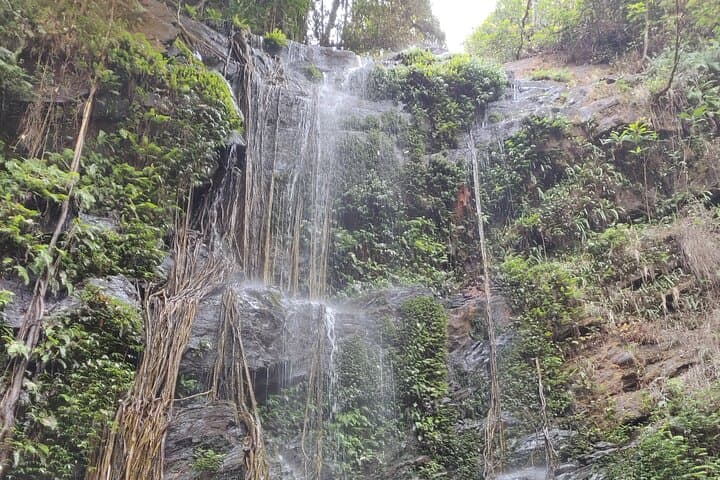
Kodachadri is part of the Western Ghats, an ancient, folded mountain chain whose laterite soils and monsoon-fed streams carve waterfalls and gullies. The hill is culturally significant: local lore places Adi Shankaracharya’s meditation sites here, and the cave shrine Ganesha Guha and Sarvanjee Peetha offer a quiet, historical pause on the route. The terrain alternates dense evergreen forest, rice paddies at lower elevations, grassy clearings, and cascading falls such as Hidlumane.
Practical guidance: expect a full-day outing—plan 8–10 hours round-trip with roughly 8–12 km of walking and ~800–900 m cumulative elevation gain depending on your start point. Trails are uneven and can be muddy after rain; good traction and trekking poles speed progress. Carry 2–3 liters of water, a packed breakfast and lunch, rain gear, and a headlamp for early starts or late returns. Local guides add route knowledge and cultural context; permits and responsible camping are required if you stay overnight. Wildlife is shy but present—listen for endemic birds and small mammals as you ascend. Aim to trek mid-monsoon shoulder seasons to avoid the heaviest rains yet still catch swollen falls and lush green views.
moderate.
8–10 hours.
Suitable for someone with regular cardio activity; expect sustained uphill sections and uneven terrain.
Most itineraries take a full day—plan for 8–10 hours round-trip depending on your starting point, pace, and stops.
Access rules vary; local authorities and guides can advise on permits, entrance fees, or restrictions, especially for overnight stays.
Fit novices with steady cardio experience can complete the trek, but expect sustained uphill hiking and uneven terrain—use a guide if unsure.
Post-monsoon shoulder months (October–February) offer clear views and manageable trails; early monsoon shows the falls at their peak but can be slippery.
Kodachadri lies in the Western Ghats, a region with long spiritual significance; local traditions link the summit to Adi Shankaracharya and centuries of pilgrimage.
The Western Ghats are a biodiversity hotspot; stick to trails, carry out waste, and follow local rules to minimize impact on fragile forest and water systems.
PlaceXplore operates guided outdoor trips and adventures with an emphasis on safety, stewardship, and memorable experiences.
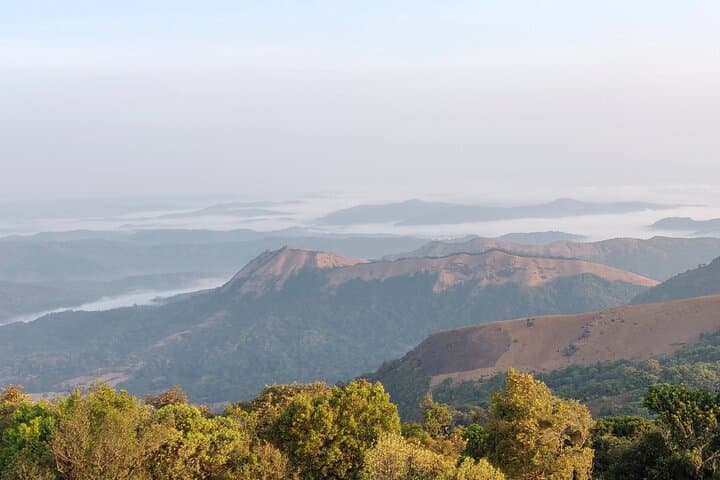
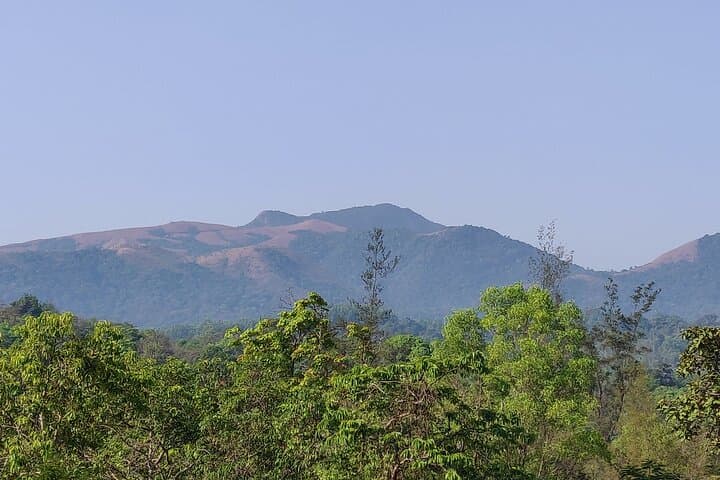
Morning light filters through tall dipterocarp trees as you step onto the narrow trail that climbs Kodachadri. Dew-laden grass bends underfoot, streams chatter alongside stone steps, and the forest opens to a meadow that briefly lets the Arabian Sea and Kollur’s temple spires peek at you across the valley. The summit sits at 1,343 m; on clear days the view stretches to sea-silver and distant ridgelines.
Morning light filters through tall dipterocarp trees as you step onto the narrow trail that climbs Kodachadri. Dew-laden grass bends underfoot, streams chatter alongside stone steps, and the forest opens to a meadow that briefly lets the Arabian Sea and Kollur’s temple spires peek at you across the valley. The summit sits at 1,343 m; on clear days the view stretches to sea-silver and distant ridgelines.
Kodachadri is part of the Western Ghats, an ancient, folded mountain chain whose laterite soils and monsoon-fed streams carve waterfalls and gullies. The hill is culturally significant: local lore places Adi Shankaracharya’s meditation sites here, and the cave shrine Ganesha Guha and Sarvanjee Peetha offer a quiet, historical pause on the route. The terrain alternates dense evergreen forest, rice paddies at lower elevations, grassy clearings, and cascading falls such as Hidlumane.
Practical guidance: expect a full-day outing—plan 8–10 hours round-trip with roughly 8–12 km of walking and ~800–900 m cumulative elevation gain depending on your start point. Trails are uneven and can be muddy after rain; good traction and trekking poles speed progress. Carry 2–3 liters of water, a packed breakfast and lunch, rain gear, and a headlamp for early starts or late returns. Local guides add route knowledge and cultural context; permits and responsible camping are required if you stay overnight. Wildlife is shy but present—listen for endemic birds and small mammals as you ascend. Aim to trek mid-monsoon shoulder seasons to avoid the heaviest rains yet still catch swollen falls and lush green views.