THE ADVENTURE COLLECTIVE® · Independent discovery and booking for outdoor travel

Ride a private tuk-tuk through Fort Kochi and Mattancherry with local drivers who double as storytellers. Explore Chinese fishing nets, St. Francis Church, Dutch Palace, spice yards and hands-on cooperatives in a 4–5 hour cultural sprint.
Ride a private tuk-tuk through Fort Kochi and Mattancherry with local drivers who double as storytellers. Explore Chinese fishing nets, St. Francis Church, Dutch Palace, spice yards and hands-on cooperatives in a 4–5 hour cultural sprint.
The tuk-tuk nudges through a lattice of spice-scented lanes as the Arabian Sea presses close — horns, salt air and the rattle of the three-wheeled engine set the pace. In four to five hours you move from wind-scoured beaches to sunbaked courtyards, led by drivers who grew up in these streets and read the city like a map.
Verified experiences and guided adventures in the surrounding area.
Operated by Biju's Tours · Kochi, Kerala
The tuk-tuk nudges through a lattice of spice-scented lanes as the Arabian Sea presses close — horns, salt air and the rattle of the three-wheeled engine set the pace. In four to five hours you move from wind-scoured beaches to sunbaked courtyards, led by drivers who grew up in these streets and read the city like a map.
Kochi was the first European colony in India and Fort Kochi and Mattancherry still wear that layered history. You'll pass the Chinese fishing nets — cantilevered frames that dip into tidal shallows — then stop at St. Francis Church (early 1500s), the Dutch Palace and the 1568 Paradesi Synagogue. Mattancherry's spice warehouses and ginger drying yards speak to Kerala’s maritime trade; Dhobhi Khana (open-air laundry) and women’s cooperatives producing pappadam and incense offer a grounded glimpse into daily life.
Geologically, this coast is reclaimed mangrove and backwaters meeting the Arabian Sea, with low-lying terrain and tidal influences that have shaped local livelihoods for centuries. Culture here is plural: Hindu temples, churches and a small but historic Jewish quarter live side-by-side.
Practical edge: plan for morning or late-afternoon departures to avoid peak heat and traffic. Wear clothing that covers shoulders and knees for entry into places of worship, carry a reusable water bottle and sunscreen, and keep a small amount of cash for roadside purchases and tips. Traffic affects timing, so allow flexibility. Above all, listen to your local guide — they’ll point you to hidden courtyards, the best spice stalls and the stories behind the façades.
easy.
4–5 hours.
Suitable for most fitness levels; requires getting in/out of a low tuk-tuk and short walks on uneven surfaces
Pickup and drop-off are offered for selected hotels and cruise terminals within a roughly 10 km city limit—confirm exact location when booking.
Most stops are pass-by or short visits; some sites include admission while others are viewed from outside—ask the operator for specifics if museum entry is required.
Yes—infant seats are available, but children must be accompanied by an adult; the pace is moderate with short walks.
No shorts or sleeveless tops; both men and women must cover knees and shoulders. You may be refused entry if non-compliant.
Fort Kochi’s streets reflect Portuguese, Dutch and British periods of control; the area was a hub for spice trade from the 16th century onward.
The coastline and backwater edge are sensitive—avoid littering, skip single-use plastics, and support small cooperatives that rely on sustainable harvests.
Biju's Tours operates guided outdoor trips and adventures with an emphasis on safety, stewardship, and memorable experiences.
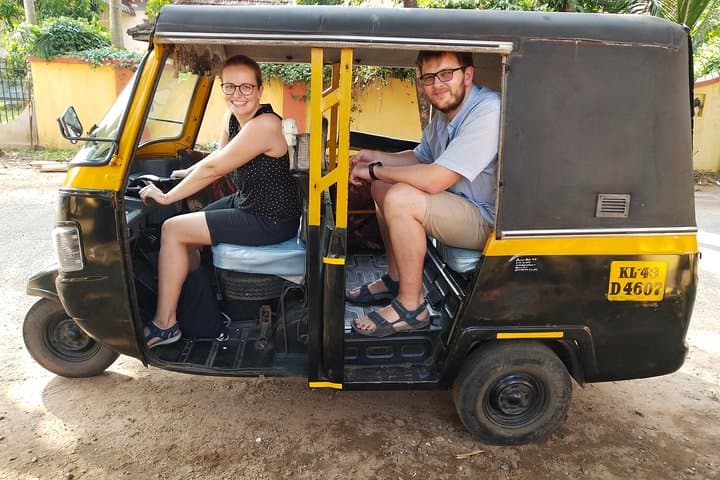
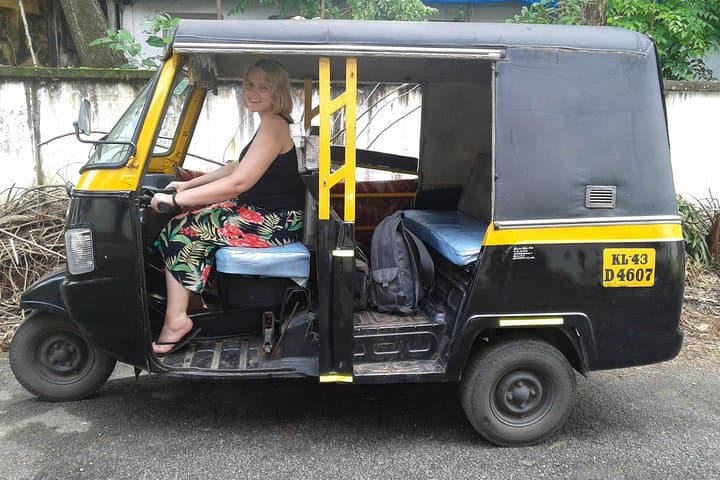
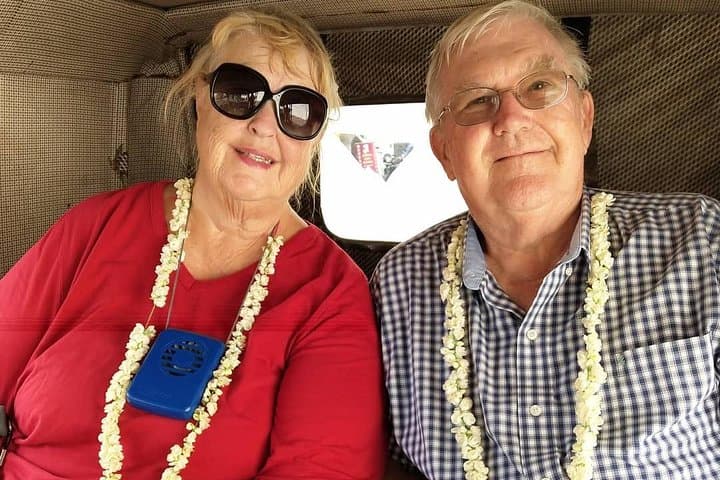
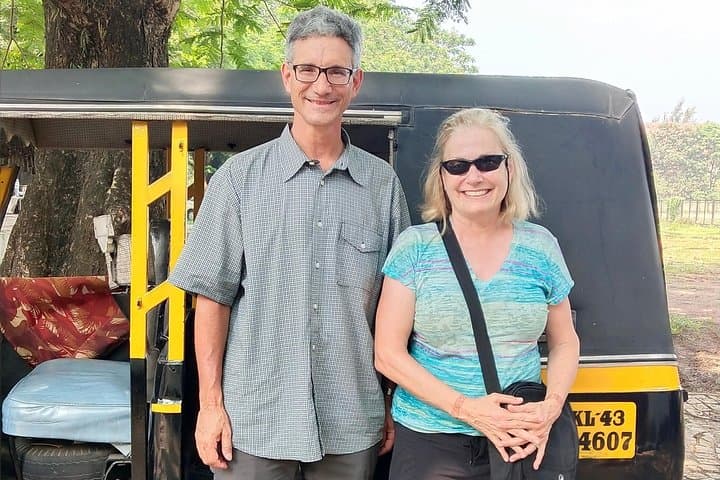
The tuk-tuk nudges through a lattice of spice-scented lanes as the Arabian Sea presses close — horns, salt air and the rattle of the three-wheeled engine set the pace. In four to five hours you move from wind-scoured beaches to sunbaked courtyards, led by drivers who grew up in these streets and read the city like a map.
The tuk-tuk nudges through a lattice of spice-scented lanes as the Arabian Sea presses close — horns, salt air and the rattle of the three-wheeled engine set the pace. In four to five hours you move from wind-scoured beaches to sunbaked courtyards, led by drivers who grew up in these streets and read the city like a map.
Kochi was the first European colony in India and Fort Kochi and Mattancherry still wear that layered history. You'll pass the Chinese fishing nets — cantilevered frames that dip into tidal shallows — then stop at St. Francis Church (early 1500s), the Dutch Palace and the 1568 Paradesi Synagogue. Mattancherry's spice warehouses and ginger drying yards speak to Kerala’s maritime trade; Dhobhi Khana (open-air laundry) and women’s cooperatives producing pappadam and incense offer a grounded glimpse into daily life.
Geologically, this coast is reclaimed mangrove and backwaters meeting the Arabian Sea, with low-lying terrain and tidal influences that have shaped local livelihoods for centuries. Culture here is plural: Hindu temples, churches and a small but historic Jewish quarter live side-by-side.
Practical edge: plan for morning or late-afternoon departures to avoid peak heat and traffic. Wear clothing that covers shoulders and knees for entry into places of worship, carry a reusable water bottle and sunscreen, and keep a small amount of cash for roadside purchases and tips. Traffic affects timing, so allow flexibility. Above all, listen to your local guide — they’ll point you to hidden courtyards, the best spice stalls and the stories behind the façades.