THE ADVENTURE COLLECTIVE® · Independent discovery and booking for outdoor travel

Walk Koblenz’s compact old town from Münzplatz to the Deutsches Eck in a guided two‑hour route that blends Roman origins, medieval churches, and riverside viewpoints. Perfect for first‑time visitors wanting history, architecture, and practical local tips.
Walk Koblenz’s compact old town from Münzplatz to the Deutsches Eck in a guided two‑hour route that blends Roman origins, medieval churches, and riverside viewpoints. Perfect for first‑time visitors wanting history, architecture, and practical local tips.
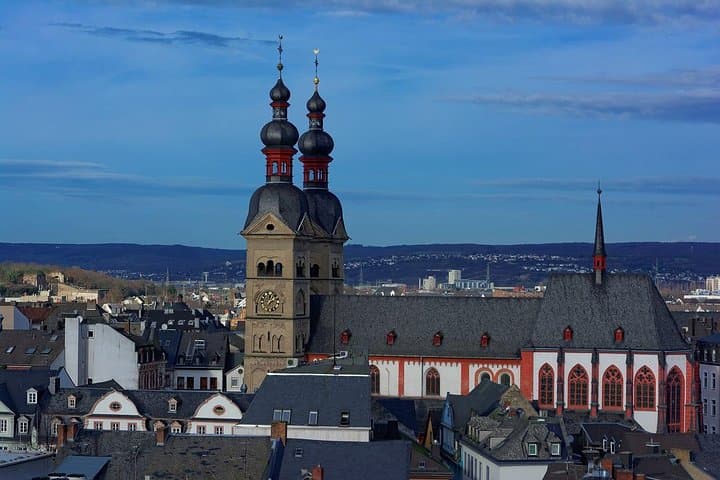
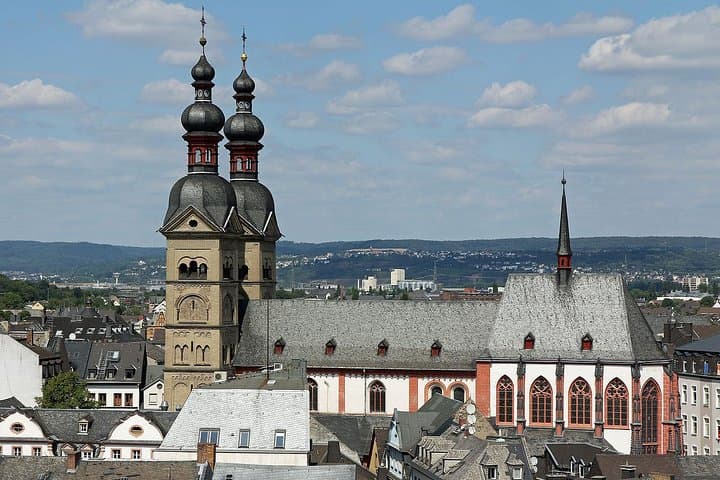
The cobbled stones of Münzplatz cool underfoot as the river air from the Rhine and Moselle threads between narrow façades. Start here and the city opens like a map folded into alleys: onion domes, a Roman fortress origin, and a headland where two rivers meet and history leans forward.
Verified experiences and guided adventures in the surrounding area.
Operated by BlackBuck Travels · Koblenz, Rhineland-Palatinate
The cobbled stones of Münzplatz cool underfoot as the river air from the Rhine and Moselle threads between narrow façades. Start here and the city opens like a map folded into alleys: onion domes, a Roman fortress origin, and a headland where two rivers meet and history leans forward.
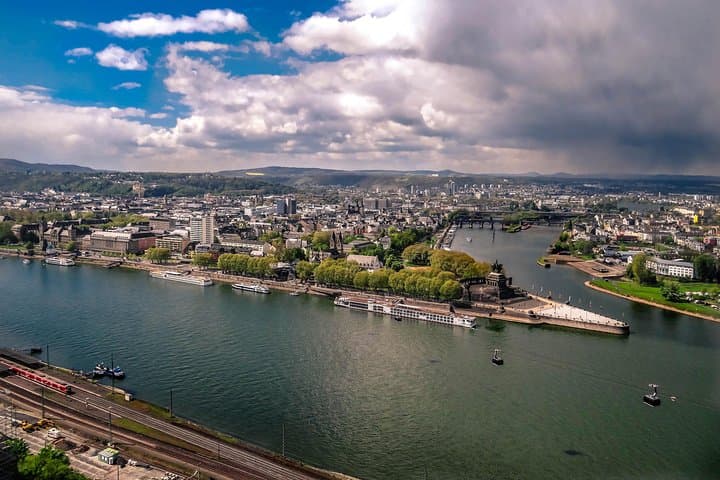
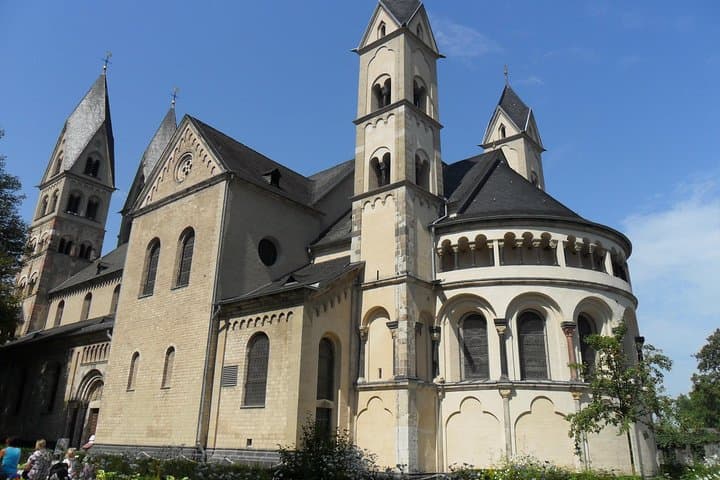
Koblenz began as the Roman Castellum apud confluentes and each street carries that layered past — Carolingian churches such as St. Castor, baroque rebuilds of the Liebfrauenkirche, and 19th‑century civic monuments culminating at the Deutsches Eck and the Kaiser Wilhelm memorial. Geologically, you’ll notice the rivers’ influence: terraces of alluvial soil, riffled stone at the confluence, and gentle slopes that shaped medieval development and modern promenades.
Culturally the old town is compact and walkable; cafés cluster around intimate squares and local artisans still occupy centuries‑old shopfronts. A licensed guide will thread stories and dates into the walk while pointing out architectural details that otherwise slip by.
Practical guidance: this private, two‑hour tour covers short blocks and shallow steps—suitable for most fitness levels and family friendly. Wear comfortable walking shoes and layer for river winds. Expect 1–2 photo stops at the basilica, Schängel fountain, and the Deutsches Eck; public transport and accessible routes are nearby. Bring a small bottle of water and arrive 10 minutes early to meet at Münzplatz. Rain can shorten outdoor time, so pack a light rain layer. The route is straightforward, historically rich, and ideal as an orientation for anyone planning to explore Koblenz further.
easy.
2 hours.
Suitable for most fitness levels—mostly flat walking with occasional short steps; accessible options available.
The private guided tour lasts about two hours and covers Münzplatz, the Liebfrauenkirche area, St. Castor Basilica, the Schängel fountain, and the Deutsches Eck with interpretation by a licensed guide.
Yes — the tour is listed as wheelchair and stroller accessible; contact the operator for route specifics and assistance needs before arrival.
It starts at Münzplatz in Koblenz Old Town and finishes at the Deutsches Eck (the rivers’ confluence), both easily reachable by public transport and within walking distance of central hotels.
Mobile tickets are accepted and the tour offers instant confirmation; booking ahead secures your private slot and ensures guide availability.
Koblenz grew from a Roman fort called Castellum apud confluentes; later medieval and Napoleonic periods reshaped its churches and squares, with the Deutsches Eck monument added in 1897 to honor Kaiser Wilhelm I.
Riverbanks are managed to balance flood control with habitat; stick to marked paths, avoid feeding wildlife, and use public transit to reduce local traffic impact.
BlackBuck Travels operates guided outdoor trips and adventures with an emphasis on safety, stewardship, and memorable experiences.
The cobbled stones of Münzplatz cool underfoot as the river air from the Rhine and Moselle threads between narrow façades. Start here and the city opens like a map folded into alleys: onion domes, a Roman fortress origin, and a headland where two rivers meet and history leans forward.
The cobbled stones of Münzplatz cool underfoot as the river air from the Rhine and Moselle threads between narrow façades. Start here and the city opens like a map folded into alleys: onion domes, a Roman fortress origin, and a headland where two rivers meet and history leans forward.
Koblenz began as the Roman Castellum apud confluentes and each street carries that layered past — Carolingian churches such as St. Castor, baroque rebuilds of the Liebfrauenkirche, and 19th‑century civic monuments culminating at the Deutsches Eck and the Kaiser Wilhelm memorial. Geologically, you’ll notice the rivers’ influence: terraces of alluvial soil, riffled stone at the confluence, and gentle slopes that shaped medieval development and modern promenades.
Culturally the old town is compact and walkable; cafés cluster around intimate squares and local artisans still occupy centuries‑old shopfronts. A licensed guide will thread stories and dates into the walk while pointing out architectural details that otherwise slip by.
Practical guidance: this private, two‑hour tour covers short blocks and shallow steps—suitable for most fitness levels and family friendly. Wear comfortable walking shoes and layer for river winds. Expect 1–2 photo stops at the basilica, Schängel fountain, and the Deutsches Eck; public transport and accessible routes are nearby. Bring a small bottle of water and arrive 10 minutes early to meet at Münzplatz. Rain can shorten outdoor time, so pack a light rain layer. The route is straightforward, historically rich, and ideal as an orientation for anyone planning to explore Koblenz further.