THE ADVENTURE COLLECTIVE® · Independent discovery and booking for outdoor travel

See Kobe’s harbor lights, Meiji‑era Kitano houses, and Japan’s historic Arima Onsen in one full‑day loop, finishing with the celebrated Mt. Rokko night view. This practical guide explains what to expect, how to pack, and essential onsen etiquette.
See Kobe’s harbor lights, Meiji‑era Kitano houses, and Japan’s historic Arima Onsen in one full‑day loop, finishing with the celebrated Mt. Rokko night view. This practical guide explains what to expect, how to pack, and essential onsen etiquette.
The bus eases away from Osaka and the city gives way to harbor light and compact hills. By dusk the Rokko ridge looms, the observation deck already breathing citylamps below; the harbor breeze dares you to trade the bustle for a slower, salt-scented pace. This full‑day loop—Kobe Harbor, Kitano Ijinkan, Arima Onsen, and the Mt. Rokko night view—packs coastal promenades, Meiji‑era architecture, thermal baths and a classic Japanese skyline into a single nine‑hour outing.
Verified experiences and guided adventures in the surrounding area.
Operated by Hotel Takitei · Kobe, Hyogo
The bus eases away from Osaka and the city gives way to harbor light and compact hills. By dusk the Rokko ridge looms, the observation deck already breathing citylamps below; the harbor breeze dares you to trade the bustle for a slower, salt-scented pace. This full‑day loop—Kobe Harbor, Kitano Ijinkan, Arima Onsen, and the Mt. Rokko night view—packs coastal promenades, Meiji‑era architecture, thermal baths and a classic Japanese skyline into a single nine‑hour outing.
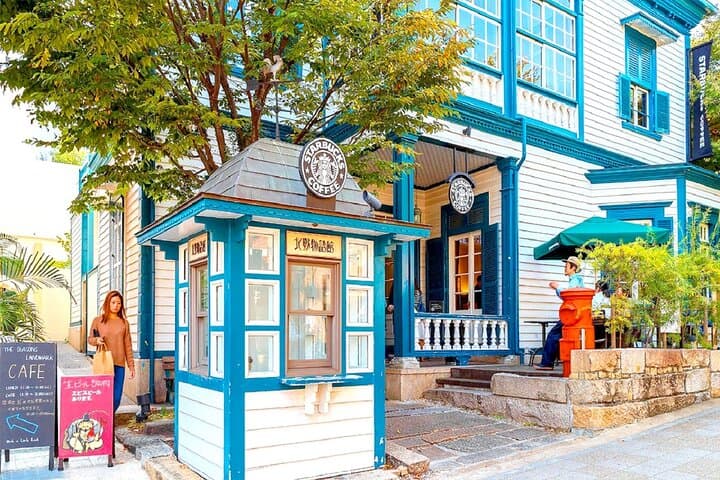
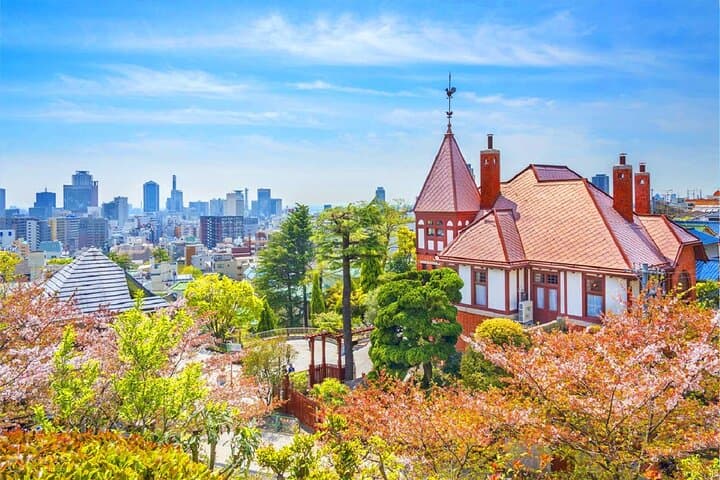
Kobe’s port grew during the Meiji opening to the world; Kitano’s stucco and wood villas are remnants of that international chapter. Arima Onsen predates modern records and remains one of Japan’s oldest hot‑spring towns, its iron‑rich “kin” waters and clear “gin” springs shaping local rituals. Mt. Rokko is part of the Setonaikai parkland—its ridgelines give clear vantage for the so‑called “Million‑Dollar Night View.” Together the stops trace commerce, culture and geology from reclaimed harbor flats up to volcanic soils and forested slopes.
Practical notes: the tour runs about 9 hours with 1–2 hours at each stop and included coach transport; expect light walking on cobbled streets and steps at Kitano and short uphill sections at Rokko’s observation areas. Tattoos generally bar entry to public baths; bring cash for smaller shops and onsen fees. Layers are essential—temperatures drop sharply after sunset on Rokko. Timing matters: aim to stay near the deck 30–45 minutes before sunset for a smooth transition into night views. Respect onsen etiquette, keep noise low in Arima’s narrow lanes, and carry a compact daypack for snacks, a jacket, and a camera.
easy.
9 hours (full‑day).
Light walking stamina for cobbled streets, steps and short uphill sections; suitable for most fitness levels
Public baths like Kin no Yu and Gin no Yu accept walk‑ins but can be busy; private baths in ryokan may require reservations—check ahead if you prefer private access.
No—this tour typically does not include meals; it provides free time to sample Kobe beef, street snacks in Arima, and harbor eateries.
Yes—it's graded easy with coach transport and light walking, but the trip is not recommended for pregnant travelers or those with serious back problems per operator notes.
Many onsen prohibit visible tattoos; you can cover small tattoos with waterproof patches, choose private baths, or confirm tattoo‑friendly facilities in advance.
Kobe’s Kitano district preserves Western‑style homes built by foreign merchants after Japan opened ports in the Meiji era; Arima Onsen has been recorded as a healing spring for centuries.
Practice low‑impact travel—stay on marked paths on Rokko, pack out litter, and respect quiet zones and onsen facilities to protect the town’s thermal resources.
Hotel Takitei operates guided outdoor trips and adventures with an emphasis on safety, stewardship, and memorable experiences.
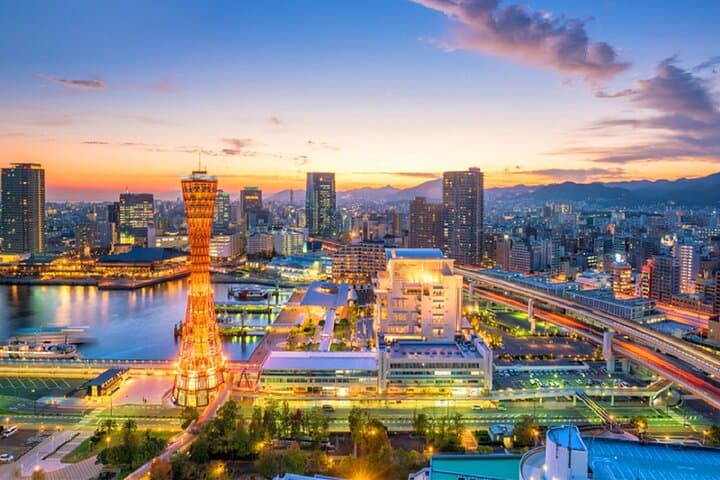
The bus eases away from Osaka and the city gives way to harbor light and compact hills. By dusk the Rokko ridge looms, the observation deck already breathing citylamps below; the harbor breeze dares you to trade the bustle for a slower, salt-scented pace. This full‑day loop—Kobe Harbor, Kitano Ijinkan, Arima Onsen, and the Mt. Rokko night view—packs coastal promenades, Meiji‑era architecture, thermal baths and a classic Japanese skyline into a single nine‑hour outing.
The bus eases away from Osaka and the city gives way to harbor light and compact hills. By dusk the Rokko ridge looms, the observation deck already breathing citylamps below; the harbor breeze dares you to trade the bustle for a slower, salt-scented pace. This full‑day loop—Kobe Harbor, Kitano Ijinkan, Arima Onsen, and the Mt. Rokko night view—packs coastal promenades, Meiji‑era architecture, thermal baths and a classic Japanese skyline into a single nine‑hour outing.
Kobe’s port grew during the Meiji opening to the world; Kitano’s stucco and wood villas are remnants of that international chapter. Arima Onsen predates modern records and remains one of Japan’s oldest hot‑spring towns, its iron‑rich “kin” waters and clear “gin” springs shaping local rituals. Mt. Rokko is part of the Setonaikai parkland—its ridgelines give clear vantage for the so‑called “Million‑Dollar Night View.” Together the stops trace commerce, culture and geology from reclaimed harbor flats up to volcanic soils and forested slopes.
Practical notes: the tour runs about 9 hours with 1–2 hours at each stop and included coach transport; expect light walking on cobbled streets and steps at Kitano and short uphill sections at Rokko’s observation areas. Tattoos generally bar entry to public baths; bring cash for smaller shops and onsen fees. Layers are essential—temperatures drop sharply after sunset on Rokko. Timing matters: aim to stay near the deck 30–45 minutes before sunset for a smooth transition into night views. Respect onsen etiquette, keep noise low in Arima’s narrow lanes, and carry a compact daypack for snacks, a jacket, and a camera.