THE ADVENTURE COLLECTIVE® · Independent discovery and booking for outdoor travel

Walk Kobe’s twilight paths from Sannomiya to the ridge for one of Japan’s famed night views, then end the evening at a local restaurant. This guided three-hour hike mixes easy trails with short, steeper sections and includes dinner and public transport.
Walk Kobe’s twilight paths from Sannomiya to the ridge for one of Japan’s famed night views, then end the evening at a local restaurant. This guided three-hour hike mixes easy trails with short, steeper sections and includes dinner and public transport.
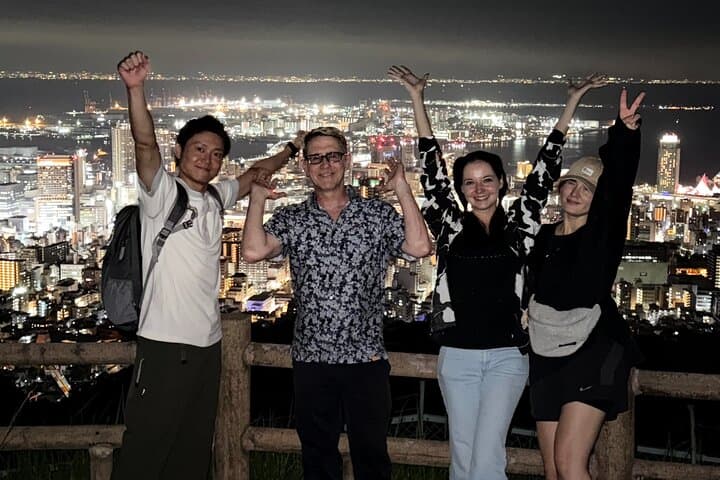
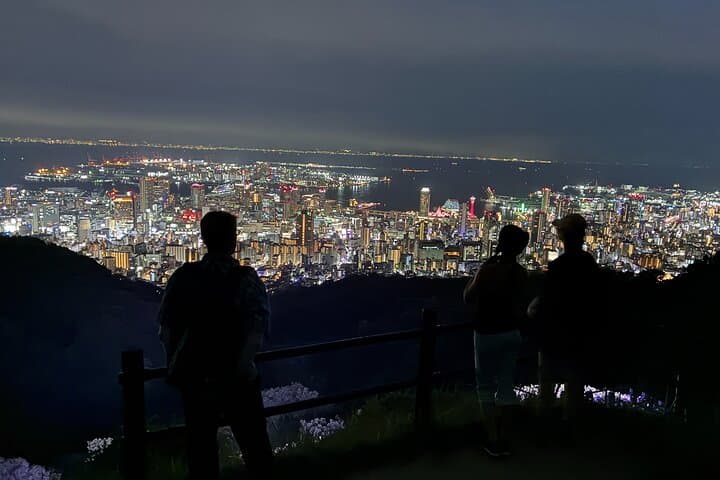
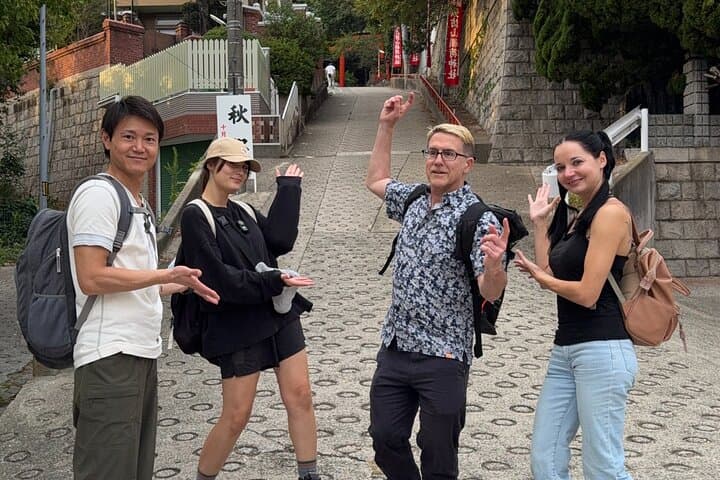
The trail slips into shadow as the city below flips its lights on; cool air moves through cedar and camphor, nudging hikers forward. Walking from a meeting point near Sannomiya, the path climbs through urban woodland toward Mt. Ikari and Mt. Shiho, where the city’s lights pool against the Inland Sea like a slow tide.
Verified experiences and guided adventures in the surrounding area.
Operated by ナイトハイキングで美しい神戸の夜景を満喫し、地元ガイドがおすすめする飲食店のご紹介ツアー · Kobe, Hyogo
The trail slips into shadow as the city below flips its lights on; cool air moves through cedar and camphor, nudging hikers forward. Walking from a meeting point near Sannomiya, the path climbs through urban woodland toward Mt. Ikari and Mt. Shiho, where the city’s lights pool against the Inland Sea like a slow tide.
These slopes are part of the Rokko-Maya ridge that’s long shaped Kobe’s relationship with its harbor—forests planted for erosion control after the 19th century opened the port, stone paths cut for pilgrims and later turned into recreational routes. Granite outcrops and older volcanic seams show the region’s complex geology: weathered bedrock beneath a thin mantle of forest soil.
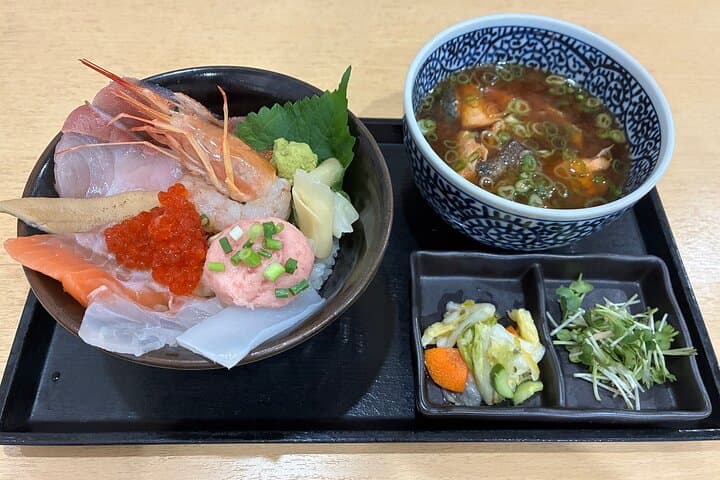
Night here is active: breeze and leaves converse, insects hum, and the skyline dares you to look back. Culture arrives at the trailhead and the table—your guide moves at an easy pace, then leads the group to a local restaurant offering ramen, katsu, seafood rice bowls or okonomiyaki.
Practical details: expect a roughly 3–5 km roundtrip with 250–400 m of ascent on uneven, often stone-packed paths; some stretches are steeper but short. The tour lasts about three hours, starts time shifting by season, and includes round-trip public transport fare and a ¥2,000 meal allowance. Bring a reliable headlamp, tread carefully on damp stones, and argue with the cold in layers.
Timing matters—arrive early to warm up, keep small trash with you, and enjoy one of Japan’s acclaimed night views without contributing to light pollution.
moderate.
3 hours.
Suitable for people who can handle short steep sections and stair-like trails; basic hiking fitness recommended
The tour includes a guided night hike, round-trip public transport fare from the meeting point, and dinner up to ¥2,000 per person at a selected local restaurant.
The route is beginner-friendly overall but contains short, steeper sections; proceed at your own pace and inform the guide if you need frequent breaks.
Start times vary by season—late afternoon in winter, early evening in summer; check the specific departure time when booking.
Not recommended for travelers with serious back, heart conditions, or for pregnant people; children should be able to handle uneven terrain and night conditions.
The ridgelines above Kobe were shaped by port-driven urban expansion and reforestation projects; they became popular viewing spots in the early 20th century as the city modernized.
Stick to marked trails to protect fragile understory and avoid using bright lights that disrupt nocturnal wildlife; carry out all trash.
ナイトハイキングで美しい神戸の夜景を満喫し、地元ガイドがおすすめする飲食店のご紹介ツアー operates guided outdoor trips and adventures with an emphasis on safety, stewardship, and memorable experiences.
The trail slips into shadow as the city below flips its lights on; cool air moves through cedar and camphor, nudging hikers forward. Walking from a meeting point near Sannomiya, the path climbs through urban woodland toward Mt. Ikari and Mt. Shiho, where the city’s lights pool against the Inland Sea like a slow tide.
The trail slips into shadow as the city below flips its lights on; cool air moves through cedar and camphor, nudging hikers forward. Walking from a meeting point near Sannomiya, the path climbs through urban woodland toward Mt. Ikari and Mt. Shiho, where the city’s lights pool against the Inland Sea like a slow tide.
These slopes are part of the Rokko-Maya ridge that’s long shaped Kobe’s relationship with its harbor—forests planted for erosion control after the 19th century opened the port, stone paths cut for pilgrims and later turned into recreational routes. Granite outcrops and older volcanic seams show the region’s complex geology: weathered bedrock beneath a thin mantle of forest soil.
Night here is active: breeze and leaves converse, insects hum, and the skyline dares you to look back. Culture arrives at the trailhead and the table—your guide moves at an easy pace, then leads the group to a local restaurant offering ramen, katsu, seafood rice bowls or okonomiyaki.
Practical details: expect a roughly 3–5 km roundtrip with 250–400 m of ascent on uneven, often stone-packed paths; some stretches are steeper but short. The tour lasts about three hours, starts time shifting by season, and includes round-trip public transport fare and a ¥2,000 meal allowance. Bring a reliable headlamp, tread carefully on damp stones, and argue with the cold in layers.
Timing matters—arrive early to warm up, keep small trash with you, and enjoy one of Japan’s acclaimed night views without contributing to light pollution.