THE ADVENTURE COLLECTIVE® · Independent discovery and booking for outdoor travel

Swap the pace of Osaka for a day of hands-on creativity, thermal baths, and panoramic ridge views. This full-day excursion blends museum fun with historic onsen streets and a mountain lookout over Kobe and Osaka Bay.
Swap the pace of Osaka for a day of hands-on creativity, thermal baths, and panoramic ridge views. This full-day excursion blends museum fun with historic onsen streets and a mountain lookout over Kobe and Osaka Bay.
You step off the bus into a skyline that swaps Osaka’s pulse for Kobe’s calmer rhythm: the harbor’s seawater dares the wind to move it, and a ridge of green pushes the city upward toward Mt. Rokko’s terraces.
Verified experiences and guided adventures in the surrounding area.
Operated by TOURSTORY · Kobe, Hyogo Prefecture
You step off the bus into a skyline that swaps Osaka’s pulse for Kobe’s calmer rhythm: the harbor’s seawater dares the wind to move it, and a ridge of green pushes the city upward toward Mt. Rokko’s terraces.
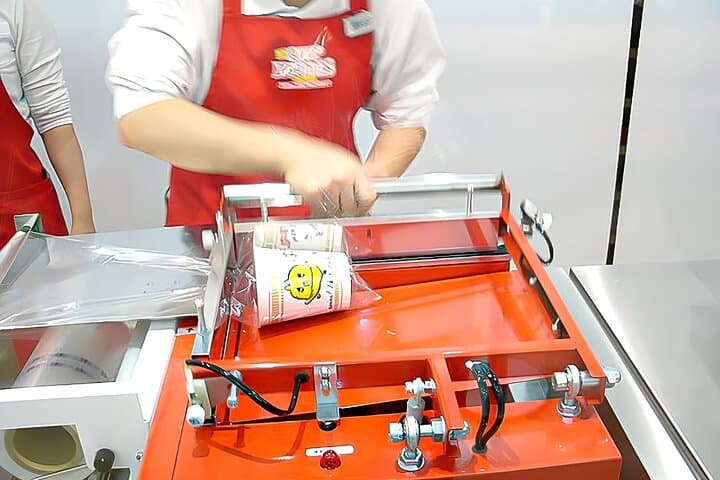
Begin with a hands-on dose of modern history at the Cup Noodles Museum, where Momofuku Ando’s postwar invention is traced from laboratory to global staple and you design a custom cup—short, bright, and tactile.
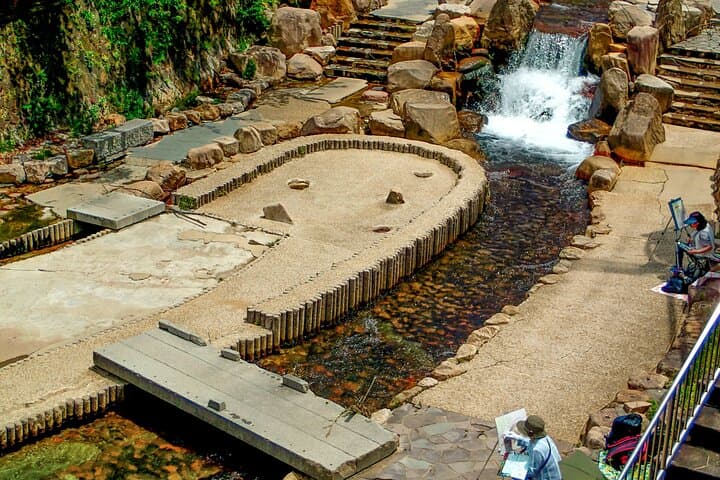
Then the route shifts to older layers: Arima Onsen. One of Japan’s oldest spa towns, it’s been drawing visitors for a thousand years with iron-rich “gold” water and clear “silver” springs. The spa streets are steeped in Edo- and Meiji-era architecture, small bathhouses and snack stalls that keep local foodways alive.
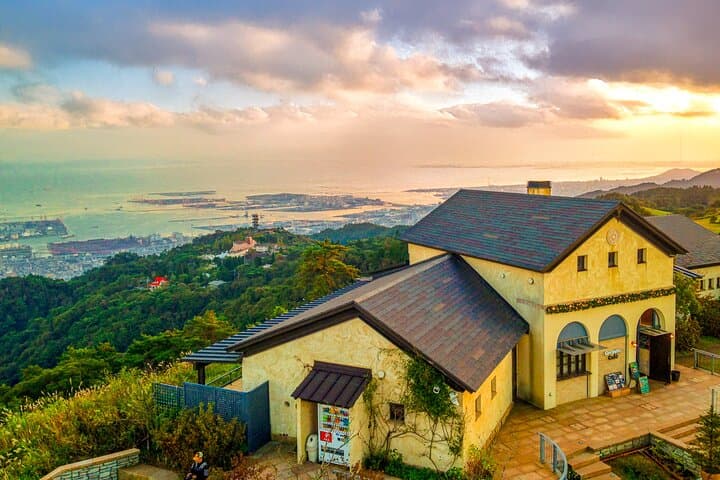
Mount Rokko’s terrace brings geology into view: the Rokko range is a weathered granite spine that frames Osaka Bay, offering wide panoramas to Awaji Island and the Kansai plain. Meriken Park and Kobe Mosaic close the loop—harborfront design, the post-earthquake memorial, and an illuminated waterfront that feels deliberately civic.
Practical guidance: this is a full 9–10 hour day with mostly short walks on paved streets and terrace paths; expect light stair sections in Arima and at viewpoints. Onsen use is optional and not included—carry cash, a towel if you prefer, and know tattoos must be covered. Wear comfortable shoes, layer for wind on Rokko, and plan for crowds at peak season. Bring a camera, hydration, and modest expectations for walking distance: the day favors cultural discovery and scenic outlooks over long hikes.
easy.
9–10 hours.
Suitable for travelers in light to moderate shape; involves standing, short walks and stairs but no long hikes.
No, the hot spring experience in Arima Onsen is optional and the fee is not included; the tour provides transportation and guide services only.
Yes—infants and small children can ride in a pram or stroller, and infants (0–2) are usually free but must sit on an adult's lap on transport.
No long hikes are required—expect short walks, stairs in Arima, and brief strolling at viewpoints; the tour is rated easy for fitness levels.
If the Cup Noodles Museum is closed (e.g., Dec 29) the itinerary typically substitutes Kobe Kitano Ijinkan; guides may adjust stops for traffic or weather.
Kobe’s port opened to foreign trade in 1868, transforming it into an international gateway; Arima Onsen has been recorded in Heian-period chronicles and prospered through the samurai and merchant eras.
Visitor pressure on Arima’s narrow streets and Rokko’s slopes means stick to marked paths, limit single-use plastics, and follow onsen rules to reduce impact on facilities and locals.
TOURSTORY operates guided outdoor trips and adventures with an emphasis on safety, stewardship, and memorable experiences.
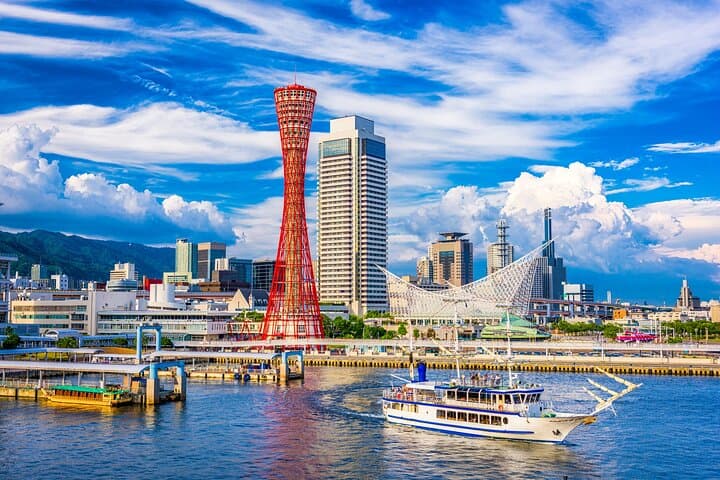
You step off the bus into a skyline that swaps Osaka’s pulse for Kobe’s calmer rhythm: the harbor’s seawater dares the wind to move it, and a ridge of green pushes the city upward toward Mt. Rokko’s terraces.
You step off the bus into a skyline that swaps Osaka’s pulse for Kobe’s calmer rhythm: the harbor’s seawater dares the wind to move it, and a ridge of green pushes the city upward toward Mt. Rokko’s terraces.
Begin with a hands-on dose of modern history at the Cup Noodles Museum, where Momofuku Ando’s postwar invention is traced from laboratory to global staple and you design a custom cup—short, bright, and tactile.
Then the route shifts to older layers: Arima Onsen. One of Japan’s oldest spa towns, it’s been drawing visitors for a thousand years with iron-rich “gold” water and clear “silver” springs. The spa streets are steeped in Edo- and Meiji-era architecture, small bathhouses and snack stalls that keep local foodways alive.
Mount Rokko’s terrace brings geology into view: the Rokko range is a weathered granite spine that frames Osaka Bay, offering wide panoramas to Awaji Island and the Kansai plain. Meriken Park and Kobe Mosaic close the loop—harborfront design, the post-earthquake memorial, and an illuminated waterfront that feels deliberately civic.
Practical guidance: this is a full 9–10 hour day with mostly short walks on paved streets and terrace paths; expect light stair sections in Arima and at viewpoints. Onsen use is optional and not included—carry cash, a towel if you prefer, and know tattoos must be covered. Wear comfortable shoes, layer for wind on Rokko, and plan for crowds at peak season. Bring a camera, hydration, and modest expectations for walking distance: the day favors cultural discovery and scenic outlooks over long hikes.