THE ADVENTURE COLLECTIVE® · Independent discovery and booking for outdoor travel

Spend a full day with a chef-guided culinary tour through Kobe: sample miso gyoza, ride the Rokko ropeway for sweeping views, soak in Arima Onsen’s mineral baths, and end with a Kobe beef teppanyaki dinner. Practical tips and cultural notes included.
Spend a full day with a chef-guided culinary tour through Kobe: sample miso gyoza, ride the Rokko ropeway for sweeping views, soak in Arima Onsen’s mineral baths, and end with a Kobe beef teppanyaki dinner. Practical tips and cultural notes included.
You step off the ropeway into a wind that carries cedar scent and a view that unrolls across Osaka Bay — Mount Rokko’s terraces drop away like a stepped stage, the city glittering below. The day moves with deliberate rhythm: a street-side stall handing over miso gyoza still steaming, a ropeway lift that climbs several hundred meters through mountain forest, quiet alleys at Arima Onsen where mineral steam fogs the air, and a final teppanyaki counter where Kobe beef sizzles.
Verified experiences and guided adventures in the surrounding area.
Operated by MAKASETE LLC · Kobe, Hyogo
You step off the ropeway into a wind that carries cedar scent and a view that unrolls across Osaka Bay — Mount Rokko’s terraces drop away like a stepped stage, the city glittering below. The day moves with deliberate rhythm: a street-side stall handing over miso gyoza still steaming, a ropeway lift that climbs several hundred meters through mountain forest, quiet alleys at Arima Onsen where mineral steam fogs the air, and a final teppanyaki counter where Kobe beef sizzles.
Kobe’s food story is hybrid: Chinese influences that shaped local gyoza styles, nineteenth-century trade that made the port cosmopolitan, and centuries-old hot springs in Arima — one of Japan’s oldest recorded onsen. Geologically, the Rokko range is granite and forested ridgeline, offering sharp elevation change from the city up to the 931 m summit; the ropeway is the easiest way to feel that vertical shift.
Culturally, expect polite efficiency and precise hospitality: chefs who explain ingredients, merchants who guard family recipes, and onsen proprietors who observe strict bathing etiquette. Support small ryokan and shops if you can — that keeps local traditions alive.
Practical guidance: this is an eight‑hour private tour with walking, ropeway transfers, and bathing. Bring layered clothing for cool summit breezes, a daypack, and photocopies of any dietary requests noted at booking. For Arima Onsen, know that public bathing follows Japanese customs (gender-separated, typically nude); ask your guide for private options if needed. Plan for cash or IC card for small purchases, and keep an hour buffer if you wish to linger at a tea shop or extend dinner.
moderate.
8 hours.
Moderate fitness for walking, short stair sections, and standing during meals; no technical fitness required.
Lunch is included; the itinerary features a lunch stop. The teppanyaki dinner may be arranged — confirm with the operator whether dinner is included or will be billed separately.
Yes — the tour can handle vegetarian, vegan and gluten‑free requests if noted at booking; communicate allergies clearly when you reserve.
Arima Onsen is one of Japan’s oldest hot-spring towns. Public baths are typically gender‑separated and nude; ask about private bath options if you prefer more privacy.
Expect city walking, ropeway boarding and short uphill/downhill sections — suitable for travelers with moderate mobility; infants must sit on laps per booking notes.
Kobe’s culinary identity grew from its port history and Chinese immigrant influences; Arima Onsen is recorded in historical texts and has been used for centuries.
Stick to paths, avoid single‑use plastics, and support local ryokan and family‑run eateries to help sustain the local economy and preserve traditional practices.
MAKASETE LLC operates guided outdoor trips and adventures with an emphasis on safety, stewardship, and memorable experiences.
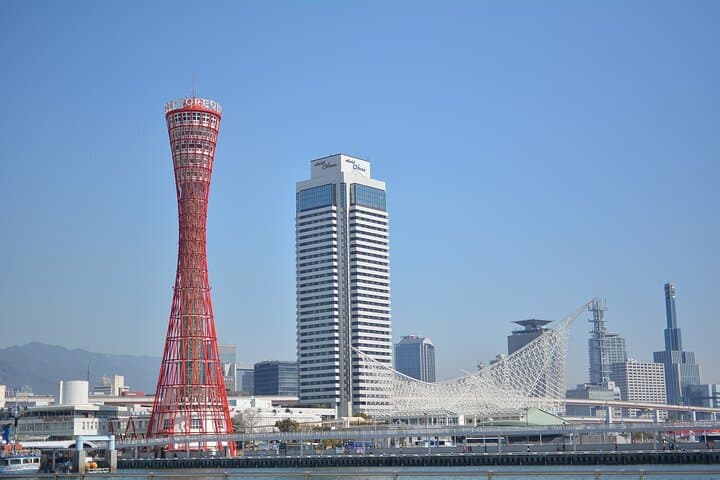
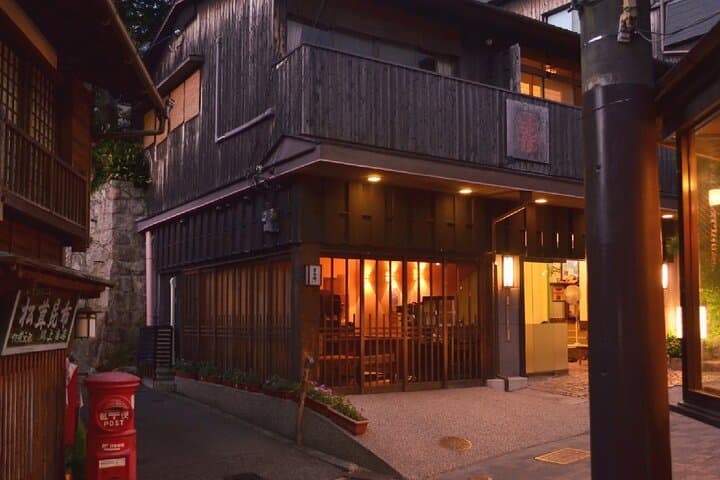
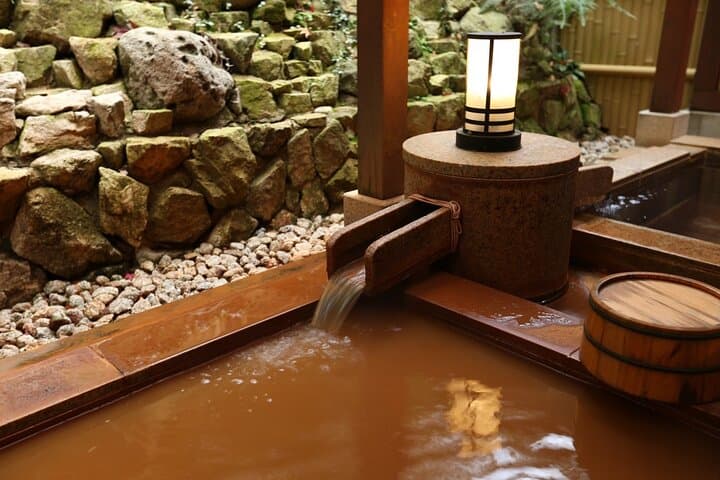
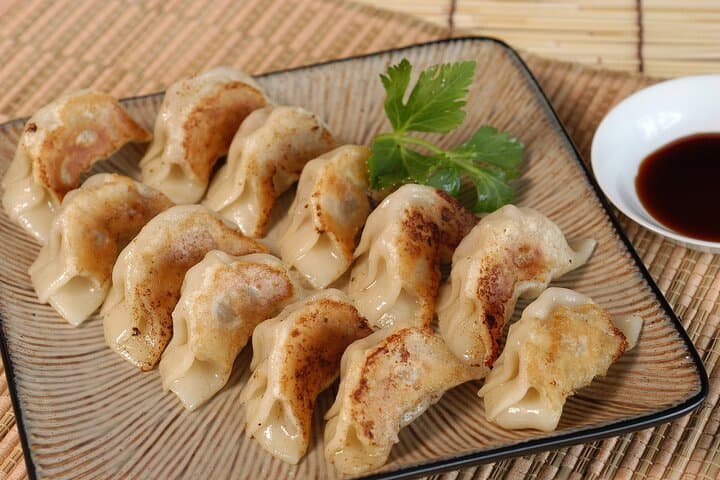
You step off the ropeway into a wind that carries cedar scent and a view that unrolls across Osaka Bay — Mount Rokko’s terraces drop away like a stepped stage, the city glittering below. The day moves with deliberate rhythm: a street-side stall handing over miso gyoza still steaming, a ropeway lift that climbs several hundred meters through mountain forest, quiet alleys at Arima Onsen where mineral steam fogs the air, and a final teppanyaki counter where Kobe beef sizzles.
You step off the ropeway into a wind that carries cedar scent and a view that unrolls across Osaka Bay — Mount Rokko’s terraces drop away like a stepped stage, the city glittering below. The day moves with deliberate rhythm: a street-side stall handing over miso gyoza still steaming, a ropeway lift that climbs several hundred meters through mountain forest, quiet alleys at Arima Onsen where mineral steam fogs the air, and a final teppanyaki counter where Kobe beef sizzles.
Kobe’s food story is hybrid: Chinese influences that shaped local gyoza styles, nineteenth-century trade that made the port cosmopolitan, and centuries-old hot springs in Arima — one of Japan’s oldest recorded onsen. Geologically, the Rokko range is granite and forested ridgeline, offering sharp elevation change from the city up to the 931 m summit; the ropeway is the easiest way to feel that vertical shift.
Culturally, expect polite efficiency and precise hospitality: chefs who explain ingredients, merchants who guard family recipes, and onsen proprietors who observe strict bathing etiquette. Support small ryokan and shops if you can — that keeps local traditions alive.
Practical guidance: this is an eight‑hour private tour with walking, ropeway transfers, and bathing. Bring layered clothing for cool summit breezes, a daypack, and photocopies of any dietary requests noted at booking. For Arima Onsen, know that public bathing follows Japanese customs (gender-separated, typically nude); ask your guide for private options if needed. Plan for cash or IC card for small purchases, and keep an hour buffer if you wish to linger at a tea shop or extend dinner.