THE ADVENTURE COLLECTIVE® · Independent discovery and booking for outdoor travel

Head into the Knuckles Range from Kandy for a full-day guided hike through tea fields, forested trails and a waterfall finale. Expect 10–14 km of mixed terrain, endemic wildlife and panoramic montane views.
Head into the Knuckles Range from Kandy for a full-day guided hike through tea fields, forested trails and a waterfall finale. Expect 10–14 km of mixed terrain, endemic wildlife and panoramic montane views.
Morning mist hangs low over the tea terraces as a minibus hums out of Kandy and up narrow roads toward the Knuckles Range. By the time you step into the remote village of Tangappuwa, the air smells of damp earth and cut grass; the hills seem to breathe around you, urging a steady pace.
Verified experiences and guided adventures in the surrounding area.
Operated by Travelling Sri Lanka · Kandy, Central Province
Morning mist hangs low over the tea terraces as a minibus hums out of Kandy and up narrow roads toward the Knuckles Range. By the time you step into the remote village of Tangappuwa, the air smells of damp earth and cut grass; the hills seem to breathe around you, urging a steady pace.
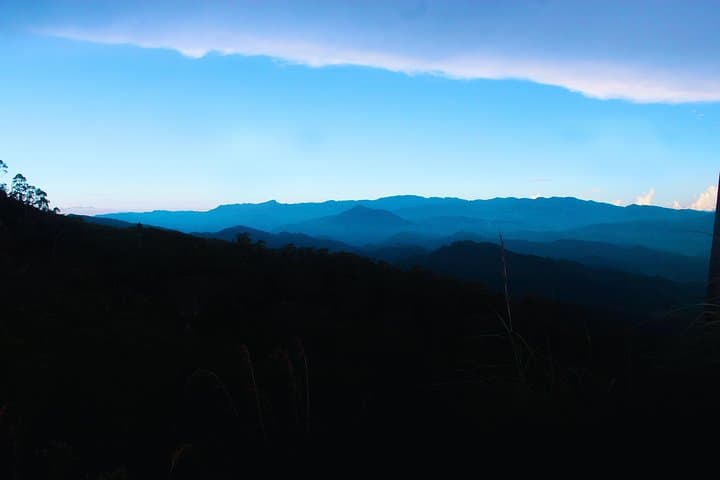
The Knuckles—also called Dumbara—are a compact, rugged crest in Sri Lanka’s Central Province, with peaks that rise towards the island’s higher montane zones. Geologically the range is ancient Precambrian rock weathered into cliffs, ridgelines and isolated plateaus; rain funnels into streams that carve narrow waterfalls and steep gorges. Culturally, small farming villages and tea plots edge the forest, and you’ll pass terraced fields and traditional stone walls that reflect a long history of upland agriculture.
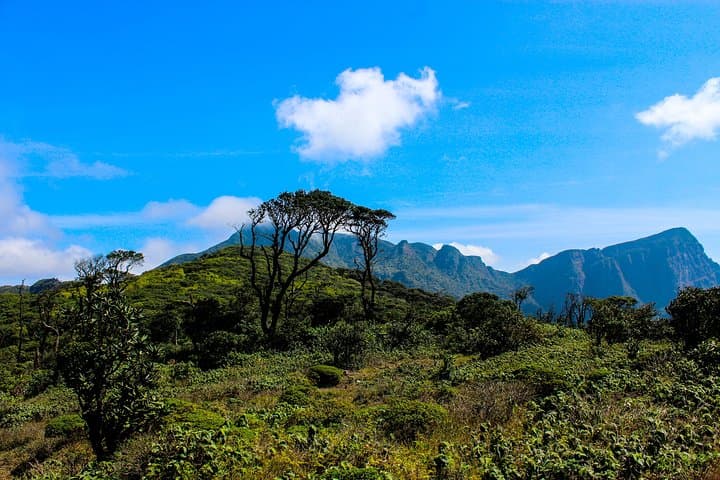
On this guided day hike expect 10–14 km of mixed trail: slippery forest tracks, muddy steps beside streams, short, grassy scrambles and open montane meadows with sweeping views. You’ll encounter endemic birds and monkeys, and reach a cool waterfall where descent follows a misted rock face. Guides typically point out orchids, medicinal plants and local farming practices.
Practical edge: start early to avoid mid-afternoon cloud and rain, bring 2–3 L of water, a lightweight rain shell and sturdy trail shoes with grip. The trail can be muddy after rain; trekking poles help on steep descents. With moderate fitness you’ll finish the loop and return to Kandy by evening, having seen a less-visited piece of Sri Lankan highland wilderness.
moderate.
8–9 hours.
Requires a moderate level of fitness—able to hike 10–14 km with some elevation gain and uneven footing.
Typical guided itineraries run 8–9 hours covering roughly 10–14 km with mixed elevation—suitable for hikers with moderate fitness.
There is an entrance/forest fee for the Knuckles area; in many tours this is included but confirm with your operator before travel.
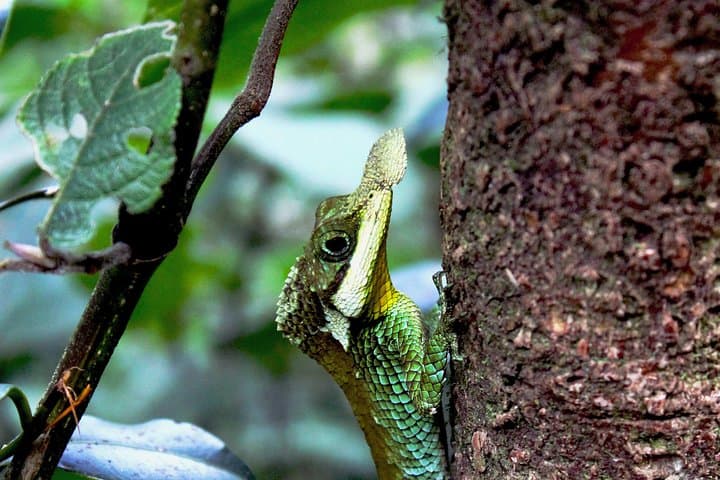
Expect endemic birds and primates such as the purple-faced langur; sightings aren’t guaranteed but guides know likely viewing areas.
Yes—most day hikes include pickup and return to Kandy in an air-conditioned vehicle as part of the tour package.
Small upland communities around the Knuckles have long-managed terraced farming and tea planting since colonial times; trails often follow old footpaths between villages.
The Knuckles Conservation Forest is protected, and responsible tourism helps fund habitat protection—stay on trails and pack out waste to minimize impact.
Travelling Sri Lanka operates guided outdoor trips and adventures with an emphasis on safety, stewardship, and memorable experiences.
Morning mist hangs low over the tea terraces as a minibus hums out of Kandy and up narrow roads toward the Knuckles Range. By the time you step into the remote village of Tangappuwa, the air smells of damp earth and cut grass; the hills seem to breathe around you, urging a steady pace.
Morning mist hangs low over the tea terraces as a minibus hums out of Kandy and up narrow roads toward the Knuckles Range. By the time you step into the remote village of Tangappuwa, the air smells of damp earth and cut grass; the hills seem to breathe around you, urging a steady pace.
The Knuckles—also called Dumbara—are a compact, rugged crest in Sri Lanka’s Central Province, with peaks that rise towards the island’s higher montane zones. Geologically the range is ancient Precambrian rock weathered into cliffs, ridgelines and isolated plateaus; rain funnels into streams that carve narrow waterfalls and steep gorges. Culturally, small farming villages and tea plots edge the forest, and you’ll pass terraced fields and traditional stone walls that reflect a long history of upland agriculture.
On this guided day hike expect 10–14 km of mixed trail: slippery forest tracks, muddy steps beside streams, short, grassy scrambles and open montane meadows with sweeping views. You’ll encounter endemic birds and monkeys, and reach a cool waterfall where descent follows a misted rock face. Guides typically point out orchids, medicinal plants and local farming practices.
Practical edge: start early to avoid mid-afternoon cloud and rain, bring 2–3 L of water, a lightweight rain shell and sturdy trail shoes with grip. The trail can be muddy after rain; trekking poles help on steep descents. With moderate fitness you’ll finish the loop and return to Kandy by evening, having seen a less-visited piece of Sri Lankan highland wilderness.