THE ADVENTURE COLLECTIVE® · Independent discovery and booking for outdoor travel

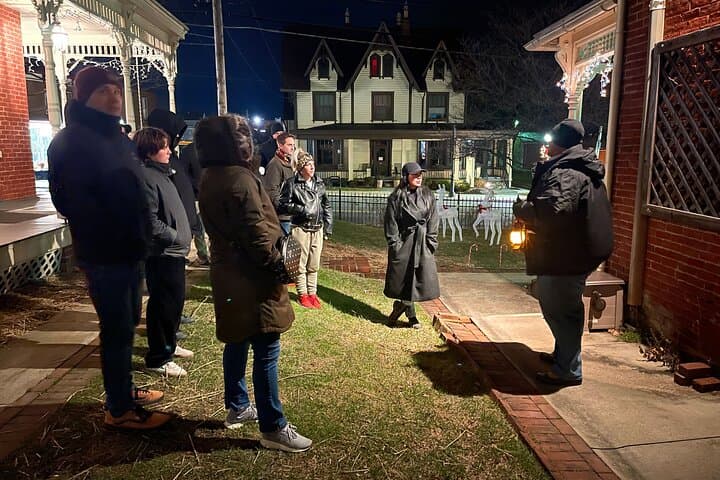
Walk Knoxville’s historic core after dark with a local guide and hear the city’s darker chapters brought to life. This one-hour lantern-led tour mixes documented history with eyewitness accounts at sites like the Craighead-Jackson House and Gay Street Bridge.
Walk Knoxville’s historic core after dark with a local guide and hear the city’s darker chapters brought to life. This one-hour lantern-led tour mixes documented history with eyewitness accounts at sites like the Craighead-Jackson House and Gay Street Bridge.
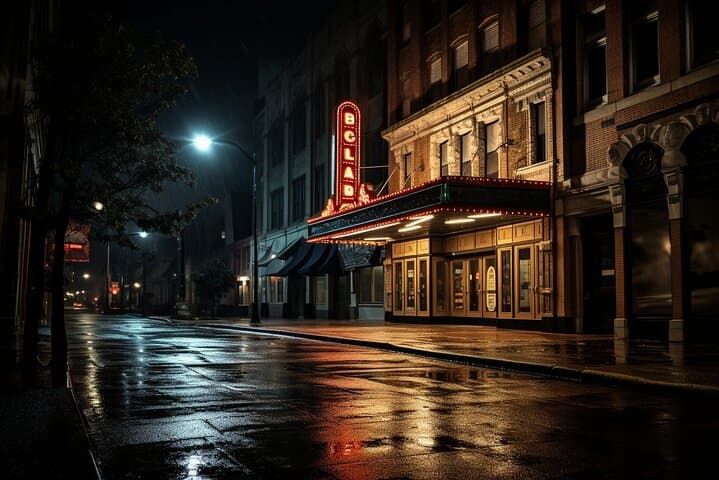
Night falls and the lamps along Gay Street throw long bands of light over brick and iron. The guide, lantern in hand, leads a small group off the sidewalks and into Knoxville’s stories — whispered accounts of 19th-century households, tragic crossings and theater seats that refuse to stay empty.
Verified experiences and guided adventures in the surrounding area.
Operated by Knoxville Ghosts · Knoxville, Tennessee
Night falls and the lamps along Gay Street throw long bands of light over brick and iron. The guide, lantern in hand, leads a small group off the sidewalks and into Knoxville’s stories — whispered accounts of 19th-century households, tragic crossings and theater seats that refuse to stay empty.
The route threads past the Craighead-Jackson House and Blount Mansion, buildings that survived fires, floods and urban change. Geologically, this section of downtown sits on the Knoxville Basin, where the Tennessee River’s nearby floodplain shaped early settlement patterns and the placement of bridges like Gay Street. Culturally, the tour stitches together the city’s civic history — early governors, theater patrons and market merchants — with the oral lore that turned ordinary misfortune into ghost stories.
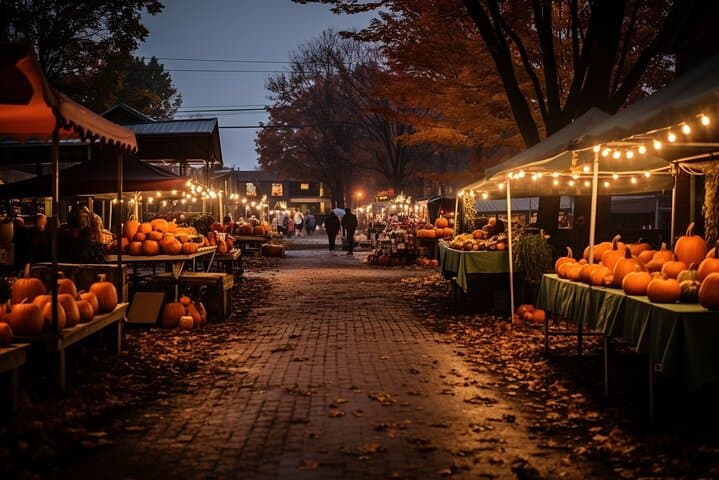
Expect close streets, historic graveyards and the occasional creak of old timbers; the Bijou Theater and Market Square each have their own chapters in local lore. Guides blend documented history with eyewitness accounts, making clear where records stop and rumor begins.
Practical guidance: meet at 912 South Gay Street 15 minutes early; tours last about an hour and cover roughly a half-mile of mostly paved downtown walking. Bring a light jacket for river breezes, comfortable shoes for uneven sidewalks, and a charged phone for photos and maps. The route is wheelchair-accessible but may include narrow sidewalks; check accessibility details when booking. Respect private property and quiet neighborhoods at night — the goal is curiosity, not disturbance.
easy.
1 hour.
Suitable for most fitness levels; participants should be able to stand and walk for up to an hour.
The tour runs about one hour and covers roughly half a mile of downtown walking, with several short stops.
Yes — the route and meeting point are wheelchair-accessible, though some sidewalks can be narrow; contact the operator for specific accommodation needs.
Yes, families are welcome; content is historic and spooky rather than graphic, but parental discretion is advised for young children.
No — mobile tickets are accepted; have your confirmation ready on your phone when you arrive.
Knoxville grew rapidly in the early 1800s as a river and rail hub; many downtown buildings date to the 19th century and carry layered stories of commerce, governance and tragedy.
Tours encourage respect for historic structures and neighborhoods; stay on public paths, avoid touching fragile architecture, and support local preservation efforts when possible.
Knoxville Ghosts operates guided outdoor trips and adventures with an emphasis on safety, stewardship, and memorable experiences.

Night falls and the lamps along Gay Street throw long bands of light over brick and iron. The guide, lantern in hand, leads a small group off the sidewalks and into Knoxville’s stories — whispered accounts of 19th-century households, tragic crossings and theater seats that refuse to stay empty.
Night falls and the lamps along Gay Street throw long bands of light over brick and iron. The guide, lantern in hand, leads a small group off the sidewalks and into Knoxville’s stories — whispered accounts of 19th-century households, tragic crossings and theater seats that refuse to stay empty.
The route threads past the Craighead-Jackson House and Blount Mansion, buildings that survived fires, floods and urban change. Geologically, this section of downtown sits on the Knoxville Basin, where the Tennessee River’s nearby floodplain shaped early settlement patterns and the placement of bridges like Gay Street. Culturally, the tour stitches together the city’s civic history — early governors, theater patrons and market merchants — with the oral lore that turned ordinary misfortune into ghost stories.
Expect close streets, historic graveyards and the occasional creak of old timbers; the Bijou Theater and Market Square each have their own chapters in local lore. Guides blend documented history with eyewitness accounts, making clear where records stop and rumor begins.
Practical guidance: meet at 912 South Gay Street 15 minutes early; tours last about an hour and cover roughly a half-mile of mostly paved downtown walking. Bring a light jacket for river breezes, comfortable shoes for uneven sidewalks, and a charged phone for photos and maps. The route is wheelchair-accessible but may include narrow sidewalks; check accessibility details when booking. Respect private property and quiet neighborhoods at night — the goal is curiosity, not disturbance.