THE ADVENTURE COLLECTIVE® · Independent discovery and booking for outdoor travel

A full-day private tour from Elounda that pairs the Bronze Age grandeur of Knossos with the pastoral sweep of Lasithi Plateau. Taste olive oil at a family press, stroll village squares, and learn why Crete’s interior still runs by old rhythms.
A full-day private tour from Elounda that pairs the Bronze Age grandeur of Knossos with the pastoral sweep of Lasithi Plateau. Taste olive oil at a family press, stroll village squares, and learn why Crete’s interior still runs by old rhythms.
You step out of the minivan as the air shifts from the salty Aegean of Elounda to the dry, sun-warmed stone of Crete’s inland. Knossos rises not as a single ruin but as layered rooms and stairways; the palace’s worn frescoes and weathered ashlar walls still direct the eye where kings and craftsmen once moved. Later the road climbs into the Lasithi Plateau, a wide bowl held in place by the Dikti Mountains where old windmills lean into the breeze and olive trees push their roots deep into red loam.
Verified experiences and guided adventures in the surrounding area.
Operated by Unique Crete Tours · Elounda, Crete
You step out of the minivan as the air shifts from the salty Aegean of Elounda to the dry, sun-warmed stone of Crete’s inland. Knossos rises not as a single ruin but as layered rooms and stairways; the palace’s worn frescoes and weathered ashlar walls still direct the eye where kings and craftsmen once moved. Later the road climbs into the Lasithi Plateau, a wide bowl held in place by the Dikti Mountains where old windmills lean into the breeze and olive trees push their roots deep into red loam.
Knossos is Bronze Age—Minoan—architecture set over earlier settlements and tied to myths of Minos and the labyrinth. Geologically, Lasithi sits on uplifted limestone and marl; springs and karst features fed the fertile plain that sustained villages for millennia. Culture here is tactile: tavernas still bake bread in wood ovens, and olive oil remains a household craft passed from tree to bottle.
Practical guidance: this private tour moves at a relaxed pace but includes walking on uneven archaeological stone and short village strolls. Bring a sun hat, a refillable water bottle, and shoes with good grip for palace thresholds. Expect tasting sessions at an olive mill—don’t plan heavy perfumes—and a tavern lunch option on the plateau.
Timing matters: start early to avoid mid-day crowds at Knossos and the high sun on the plateau. Ask your guide about the plane tree in Krasi and local raki customs; those small detours make the day feel handcrafted rather than catalogued.
easy.
8–9 hours.
Suitable for travelers with basic mobility; involves short walks and standing at sites but no strenuous hiking.
This private tour typically does not include admission fees by default; check booking details and be prepared to purchase entry or have tickets arranged in advance.
Expect short to moderate walks at each stop—mostly on uneven surfaces and archaeological thresholds—suitable for most fitness levels.
Lunch is usually optional at a traditional tavern on the Lasithi Plateau; plan for a pay-as-you-go meal unless a private arrangement states otherwise.
Access can vary; the cave has seasonal maintenance and may be closed—your guide will advise and adjust the route if needed.
Knossos was the ceremonial center of Minoan Crete during the Bronze Age and later became a symbolic site in Greek myth; Lasithi’s plateau has sustained farming communities for centuries thanks to spring-fed soils.
Local communities rely on sustainable olive cultivation and protecting water springs; visitors are encouraged to avoid single-use plastics and respect private groves.
Unique Crete Tours operates guided outdoor trips and adventures with an emphasis on safety, stewardship, and memorable experiences.
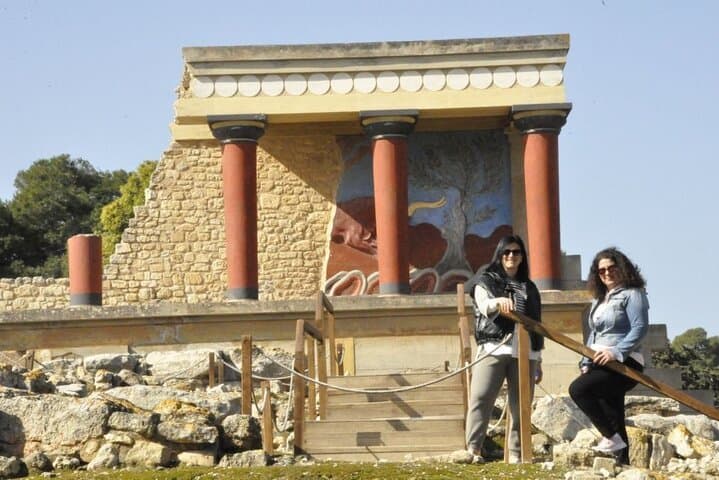
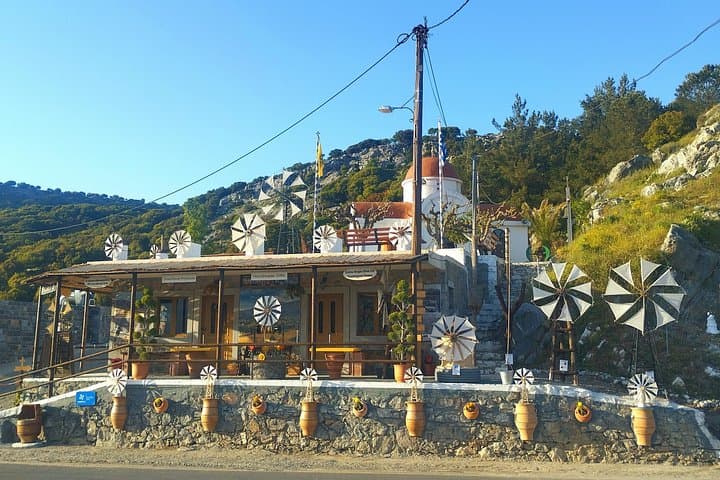
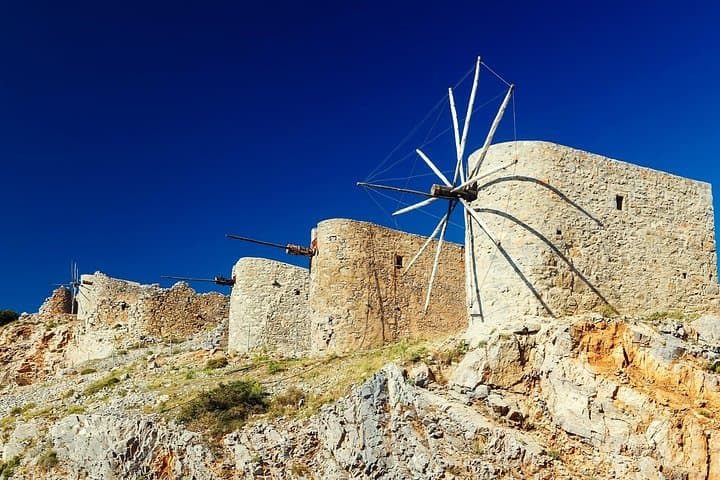
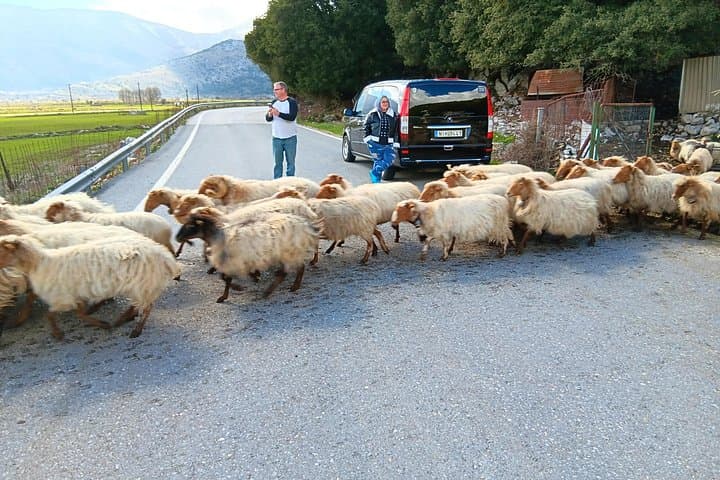
You step out of the minivan as the air shifts from the salty Aegean of Elounda to the dry, sun-warmed stone of Crete’s inland. Knossos rises not as a single ruin but as layered rooms and stairways; the palace’s worn frescoes and weathered ashlar walls still direct the eye where kings and craftsmen once moved. Later the road climbs into the Lasithi Plateau, a wide bowl held in place by the Dikti Mountains where old windmills lean into the breeze and olive trees push their roots deep into red loam.
You step out of the minivan as the air shifts from the salty Aegean of Elounda to the dry, sun-warmed stone of Crete’s inland. Knossos rises not as a single ruin but as layered rooms and stairways; the palace’s worn frescoes and weathered ashlar walls still direct the eye where kings and craftsmen once moved. Later the road climbs into the Lasithi Plateau, a wide bowl held in place by the Dikti Mountains where old windmills lean into the breeze and olive trees push their roots deep into red loam.
Knossos is Bronze Age—Minoan—architecture set over earlier settlements and tied to myths of Minos and the labyrinth. Geologically, Lasithi sits on uplifted limestone and marl; springs and karst features fed the fertile plain that sustained villages for millennia. Culture here is tactile: tavernas still bake bread in wood ovens, and olive oil remains a household craft passed from tree to bottle.
Practical guidance: this private tour moves at a relaxed pace but includes walking on uneven archaeological stone and short village strolls. Bring a sun hat, a refillable water bottle, and shoes with good grip for palace thresholds. Expect tasting sessions at an olive mill—don’t plan heavy perfumes—and a tavern lunch option on the plateau.
Timing matters: start early to avoid mid-day crowds at Knossos and the high sun on the plateau. Ask your guide about the plane tree in Krasi and local raki customs; those small detours make the day feel handcrafted rather than catalogued.