THE ADVENTURE COLLECTIVE® · Independent discovery and booking for outdoor travel

Skip the line at Knossos and follow a licensed guide through the heart of Minoan Crete. This small-group tour from Heraklion offers focused narrative, hotel pickup, and clear walkways to explore frescoes, courts, and storerooms with minimal fuss.
Skip the line at Knossos and follow a licensed guide through the heart of Minoan Crete. This small-group tour from Heraklion offers focused narrative, hotel pickup, and clear walkways to explore frescoes, courts, and storerooms with minimal fuss.
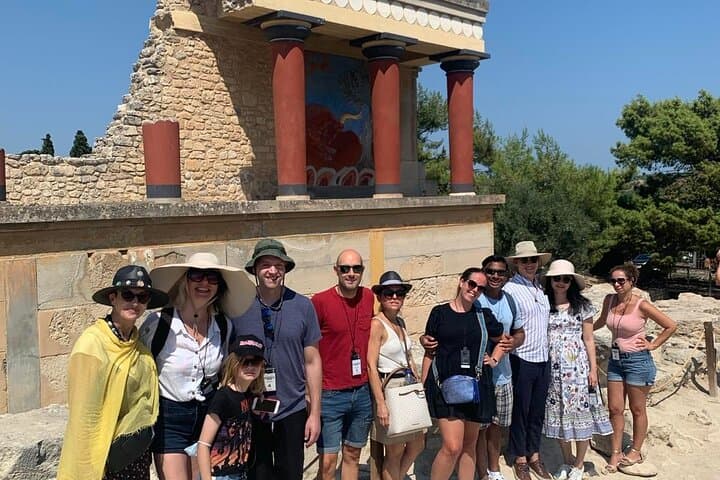
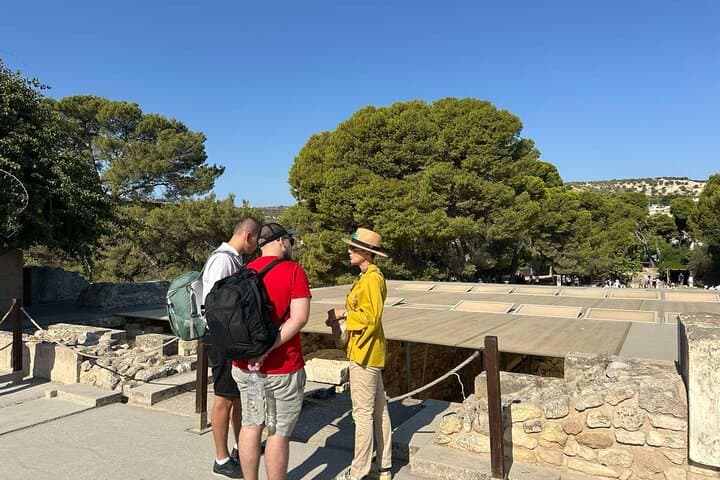
You step off the minibus into a warm Cretan morning and the stones of Knossos feel older than the air itself. The palace terraces rise in layered bands of cut stone and plaster, fresco fragments catching the sun like pages from an ancient chronicle. A licensed guide slips an earpiece over your ear, and the whispered stories of King Minos and the Labyrinth begin to shape the light and shadow around you.
Verified experiences and guided adventures in the surrounding area.
Operated by Experience Travel Crete Tours and Activities · Heraklion, Crete
You step off the minibus into a warm Cretan morning and the stones of Knossos feel older than the air itself. The palace terraces rise in layered bands of cut stone and plaster, fresco fragments catching the sun like pages from an ancient chronicle. A licensed guide slips an earpiece over your ear, and the whispered stories of King Minos and the Labyrinth begin to shape the light and shadow around you.
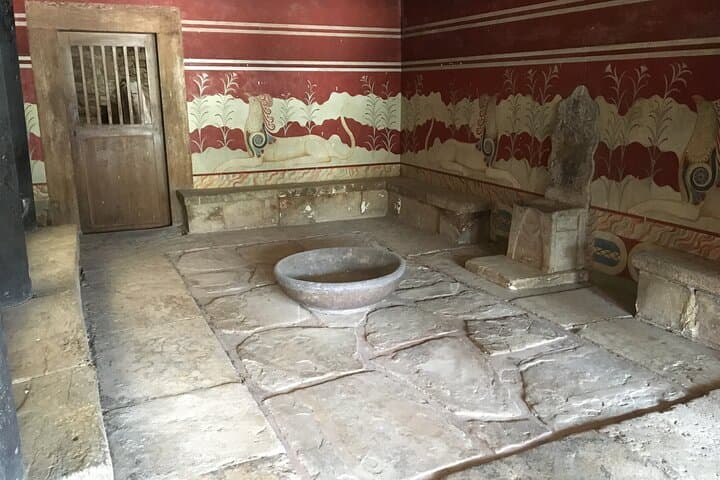
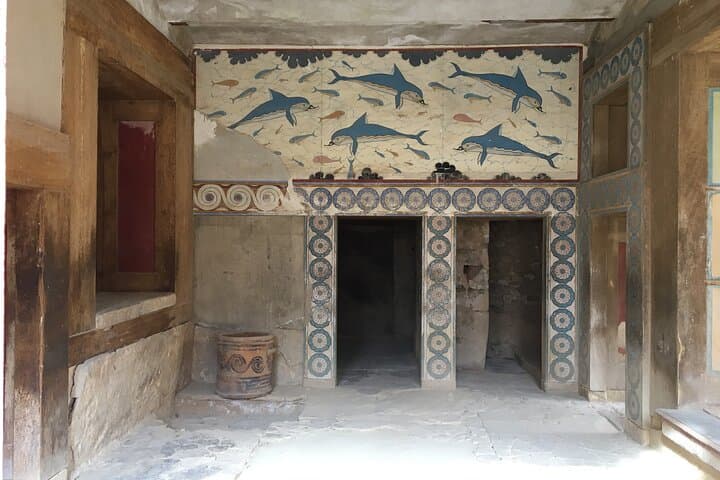
Knossos is the ceremonial and political center of the Minoan civilization (circa 1900–1400 BCE), excavated and partially reconstructed by Arthur Evans in the early 20th century. Geologically, the site sits on gentle limestone slopes near the Heraklion plain, where coastal winds push olive trees and garigue scrub against the ruins. Culturally, the palace blends ritual spaces, storage magazines, and elaborate frescoed rooms—evidence of a sophisticated Bronze Age maritime society.
Practically, expect about 60–90 minutes on-site walking on uneven stone, low steps, and packed earth; elevation change is minimal but surfaces can be slippery when wet. The tour’s skip-the-line access and small group size (max 12) mean more time with the guide and less time in crowds; headsets are provided for clear narration. Hotel pickup from Heraklion city is included, simplifying logistics and giving you more time to visit the nearby Archaeological Museum afterwards.
Bring sun protection, a filled water bottle, and comfortable, grippy shoes. Move deliberately around frescoed panels and marked areas—the site is fragile. With a practical pace and a good guide, Knossos delivers a concentrated, transportive encounter with Europe’s earliest urban culture.
easy.
2–3 hours.
Suitable for most fitness levels; requires walking on uneven surfaces for up to 90 minutes on-site.
The full tour runs about 2–3 hours including hotel pickup and transfer; expect roughly 60–90 minutes exploring the palace itself.
Knossos has uneven ground, low steps, and limited ramps; it is not recommended for travelers with serious mobility restrictions or spinal issues.
Yes—skip-the-line palace entry and headsets for groups of 7–12 are included in the tour price.
Yes—families are welcome, but caregivers should supervise children around fragile areas and uneven surfaces.
Knossos was a central palace of the Minoan civilization (c.1900–1400 BCE) and later became entwined with Greek myth, including the stories of King Minos and the Minotaur.
The site is protected by Greece’s Ministry of Culture; visitors should follow marked paths and guides’ instructions to reduce erosion and preserve fragile fresco work.
Experience Travel Crete Tours and Activities operates guided outdoor trips and adventures with an emphasis on safety, stewardship, and memorable experiences.
You step off the minibus into a warm Cretan morning and the stones of Knossos feel older than the air itself. The palace terraces rise in layered bands of cut stone and plaster, fresco fragments catching the sun like pages from an ancient chronicle. A licensed guide slips an earpiece over your ear, and the whispered stories of King Minos and the Labyrinth begin to shape the light and shadow around you.
You step off the minibus into a warm Cretan morning and the stones of Knossos feel older than the air itself. The palace terraces rise in layered bands of cut stone and plaster, fresco fragments catching the sun like pages from an ancient chronicle. A licensed guide slips an earpiece over your ear, and the whispered stories of King Minos and the Labyrinth begin to shape the light and shadow around you.
Knossos is the ceremonial and political center of the Minoan civilization (circa 1900–1400 BCE), excavated and partially reconstructed by Arthur Evans in the early 20th century. Geologically, the site sits on gentle limestone slopes near the Heraklion plain, where coastal winds push olive trees and garigue scrub against the ruins. Culturally, the palace blends ritual spaces, storage magazines, and elaborate frescoed rooms—evidence of a sophisticated Bronze Age maritime society.
Practically, expect about 60–90 minutes on-site walking on uneven stone, low steps, and packed earth; elevation change is minimal but surfaces can be slippery when wet. The tour’s skip-the-line access and small group size (max 12) mean more time with the guide and less time in crowds; headsets are provided for clear narration. Hotel pickup from Heraklion city is included, simplifying logistics and giving you more time to visit the nearby Archaeological Museum afterwards.
Bring sun protection, a filled water bottle, and comfortable, grippy shoes. Move deliberately around frescoed panels and marked areas—the site is fragile. With a practical pace and a good guide, Knossos delivers a concentrated, transportive encounter with Europe’s earliest urban culture.