THE ADVENTURE COLLECTIVE® · Independent discovery and booking for outdoor travel

Explore Knossos’ labyrinthine ruins, taste family-pressed Cretan olive oil in a nearby mill, and linger over a village lunch in Archanes. This half-day private drive blends archaeology, agriculture and authentic Cretan food with comfortable transport.
Explore Knossos’ labyrinthine ruins, taste family-pressed Cretan olive oil in a nearby mill, and linger over a village lunch in Archanes. This half-day private drive blends archaeology, agriculture and authentic Cretan food with comfortable transport.
You arrive by air-conditioned car and the road opens onto low, sun-bleached hills where stone terraces and olive trees push the wind into a steady chorus. The Palace of Knossos sits above the plain like an ancient hub — broad courtyards, frescoed fragments and rubble that still ask for interpretation. Close enough to hear the murmur of the modern city, the ruins compel you to slow down, trace the worn stairways, and imagine the ritual rhythms of Bronze Age Crete.
Verified experiences and guided adventures in the surrounding area.
Operated by Heraklion Wine Tours · Heraklion, Crete
You arrive by air-conditioned car and the road opens onto low, sun-bleached hills where stone terraces and olive trees push the wind into a steady chorus. The Palace of Knossos sits above the plain like an ancient hub — broad courtyards, frescoed fragments and rubble that still ask for interpretation. Close enough to hear the murmur of the modern city, the ruins compel you to slow down, trace the worn stairways, and imagine the ritual rhythms of Bronze Age Crete.
Knossos is the largest Minoan ceremonial center, excavated and partly reconstructed in the early 20th century; its complex plan and painted plaster speak to a society organized around palatial administration and maritime trade. Down the road in Skalani, olive groves reveal a different layer of Cretan history: olives have shaped the island’s cuisine, economy and land management for millennia. In Ano Archanes, narrow streets and old stone houses trace continuity from antiquity to the present, where tavernas continue family recipes.
Practical guidance: tours typically run 5–6 hours, include private transfer, olive-mill tasting and a 4-course lunch. Knossos ticketing is separate — purchase e-tickets in advance during high season to avoid lines. Wear sturdy walking shoes for uneven ancient paving, bring sunscreen and a refillable water bottle; summer sun can be intense, while spring and fall offer the most comfortable walking temperatures. Allow time in Archanes for a slow coffee and to pick up a bottle of cold-pressed oil — it’s part of the cultural currency here.
easy.
5–6 hours.
Suitable for most abilities; requires moderate walking on uneven ground and short stair climbs
No — the tour notes that an official Knossos ticket is not included; purchase e-tickets from the Hellenic Ministry of Culture before arrival to avoid delays.
Both are roughly 7–12 km from central Heraklion; travel time by car is about 15–25 minutes depending on traffic and exact pickup location.
Yes — tastings focus on olive oil and local breads; inform the tour operator of dietary needs before booking to accommodate the lunch service.
Parts of Knossos and some village streets have uneven surfaces and steps; accessibility is limited — contact the operator beforehand to discuss specific needs and pickup logistics.
Knossos was the ceremonial and administrative center of Bronze Age Minoan society; olive cultivation has been central to Cretan life for thousands of years, shaping landscapes and local diets.
Support local producers by buying directly from family mills; limit plastic waste, stick to marked paths at archaeological sites, and follow site rules to reduce wear on ancient structures.
Heraklion Wine Tours operates guided outdoor trips and adventures with an emphasis on safety, stewardship, and memorable experiences.
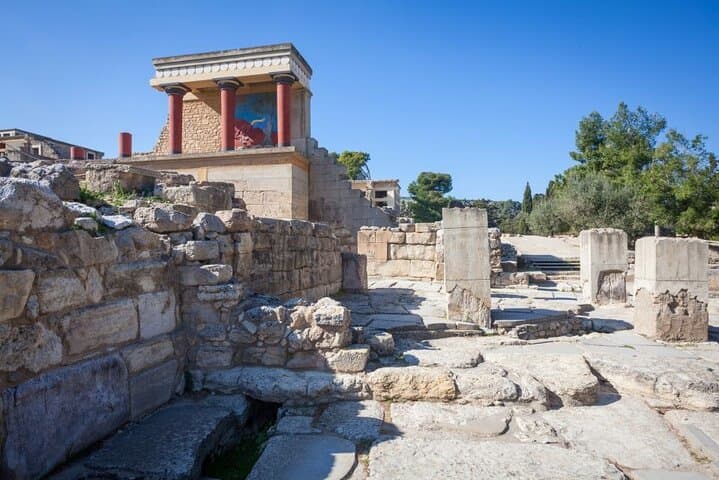
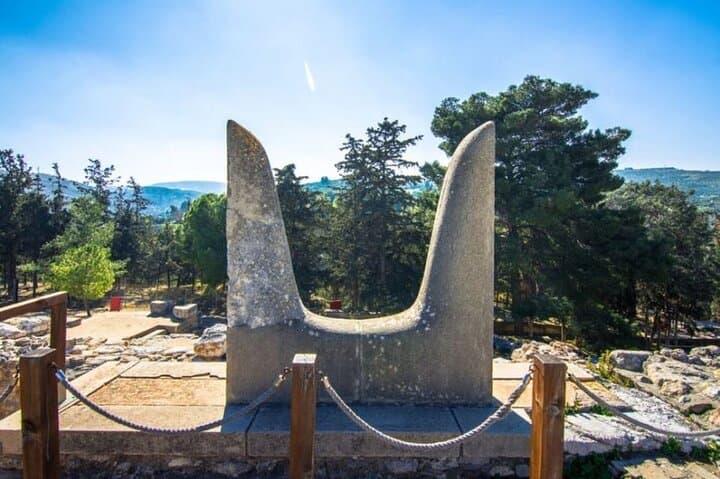
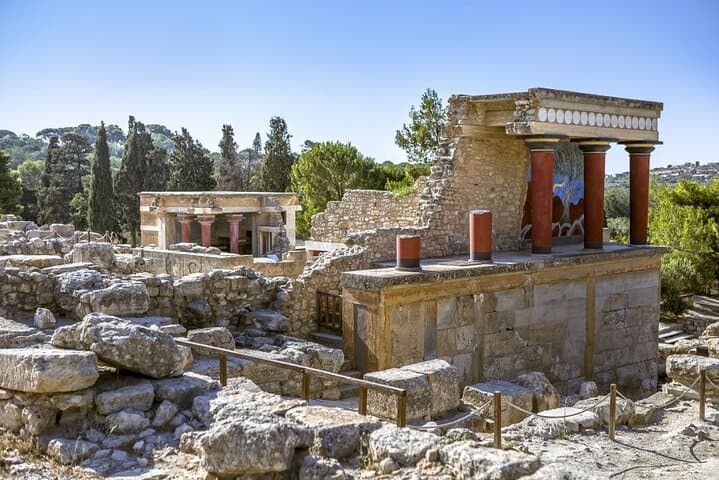
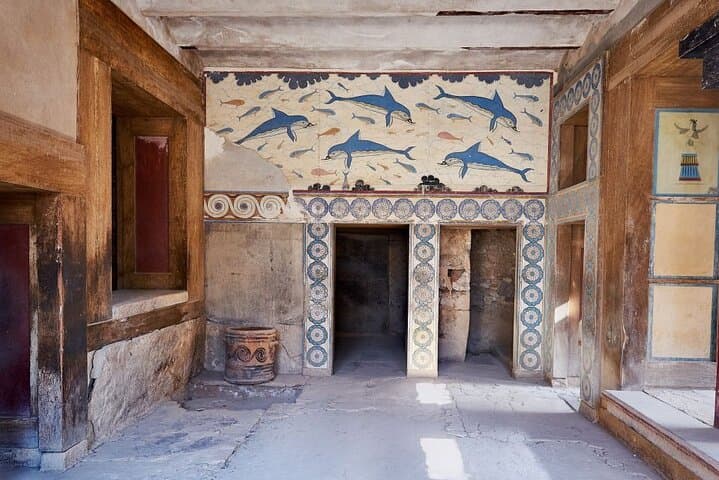
You arrive by air-conditioned car and the road opens onto low, sun-bleached hills where stone terraces and olive trees push the wind into a steady chorus. The Palace of Knossos sits above the plain like an ancient hub — broad courtyards, frescoed fragments and rubble that still ask for interpretation. Close enough to hear the murmur of the modern city, the ruins compel you to slow down, trace the worn stairways, and imagine the ritual rhythms of Bronze Age Crete.
You arrive by air-conditioned car and the road opens onto low, sun-bleached hills where stone terraces and olive trees push the wind into a steady chorus. The Palace of Knossos sits above the plain like an ancient hub — broad courtyards, frescoed fragments and rubble that still ask for interpretation. Close enough to hear the murmur of the modern city, the ruins compel you to slow down, trace the worn stairways, and imagine the ritual rhythms of Bronze Age Crete.
Knossos is the largest Minoan ceremonial center, excavated and partly reconstructed in the early 20th century; its complex plan and painted plaster speak to a society organized around palatial administration and maritime trade. Down the road in Skalani, olive groves reveal a different layer of Cretan history: olives have shaped the island’s cuisine, economy and land management for millennia. In Ano Archanes, narrow streets and old stone houses trace continuity from antiquity to the present, where tavernas continue family recipes.
Practical guidance: tours typically run 5–6 hours, include private transfer, olive-mill tasting and a 4-course lunch. Knossos ticketing is separate — purchase e-tickets in advance during high season to avoid lines. Wear sturdy walking shoes for uneven ancient paving, bring sunscreen and a refillable water bottle; summer sun can be intense, while spring and fall offer the most comfortable walking temperatures. Allow time in Archanes for a slow coffee and to pick up a bottle of cold-pressed oil — it’s part of the cultural currency here.