THE ADVENTURE COLLECTIVE® · Independent discovery and booking for outdoor travel

Experience Alaska’s state sport on a 1.5-hour dog sled tour in Knik. Drive a sled with a guide, meet racing-bred huskies, and glide across packed snow with photo stops and guided stories from the trail.
Experience Alaska’s state sport on a 1.5-hour dog sled tour in Knik. Drive a sled with a guide, meet racing-bred huskies, and glide across packed snow with photo stops and guided stories from the trail.
Snow scrapes your boots as the team barks and strains—eager, focused, alive. In the low winter light outside Knik, the sled hums forward and the dogs pull like a living engine through open tundra and birch stands. The cold presses at your face, but the rhythm of paws and runners pushes you onward; the land itself seems to urge you down the trail.
Verified experiences and guided adventures in the surrounding area.
Operated by Seward Helicopter Tours · Knik, Alaska
Snow scrapes your boots as the team barks and strains—eager, focused, alive. In the low winter light outside Knik, the sled hums forward and the dogs pull like a living engine through open tundra and birch stands. The cold presses at your face, but the rhythm of paws and runners pushes you onward; the land itself seems to urge you down the trail.
This area sits on the edge of Alaska’s glacial plain where rivers have carved broad, braided channels into Pleistocene sediment. Mushing is woven into local culture—practices born of necessity that evolved into the Iditarod-era sport. Guides will often tie stories of race camps, kennel care, and the seasonal life cycle of sled teams into the ride, giving a practical view of how people and dogs have moved across this landscape for generations.
Expect mostly flat to rolling terrain with packed-snow trails, occasional creek crossings, and panoramic views of distant peaks. The outing is brief and approachable: you can drive the sled under guide supervision or ride and photograph from the sled. Photo stops are built into the route, and the operation supplies parkas for warmth.
Practical notes: dress in insulated layers, waterproof boots, and bring a camera with spare batteries (cold drains power fast). Roads to the kennel are plowed but can be icy—allow extra drive time from Wasilla or Anchorage. If you want more time with the dogs, ask about kennel visits before or after the run. Respect the team: follow the musher’s instructions, keep sudden movements minimal, and store snacks where instructed. This is a short, high-impact winter experience—hands-on, educational, and reliably Alaskan.
easy.
1.5 hours.
Suitable for most fitness levels; brief standing and occasional stepping on/off the sled is required
Yes—infants must sit on an adult’s lap; operators typically allow families but confirm age or weight limits when booking.
You can either ride or learn to drive under guide supervision; the guide will give on-trail instruction and handle difficult conditions.
Tours may be canceled for severe weather; operators usually require 24-hour cancellation notice for a full refund and will reschedule when possible.
Parkas are provided by the operator, but bring your own insulated boots, gloves, and layered clothing for the best comfort.
Mushing in the Knik area evolved from subsistence travel and became organized racing culture tied to events like the Iditarod; local kennels often train racing lines.
Respect trails and kennels—stay on designated routes and avoid disturbing wildlife; many operators follow sustainable kennel practices and support local habitat stewardship.
Seward Helicopter Tours operates guided outdoor trips and adventures with an emphasis on safety, stewardship, and memorable experiences.
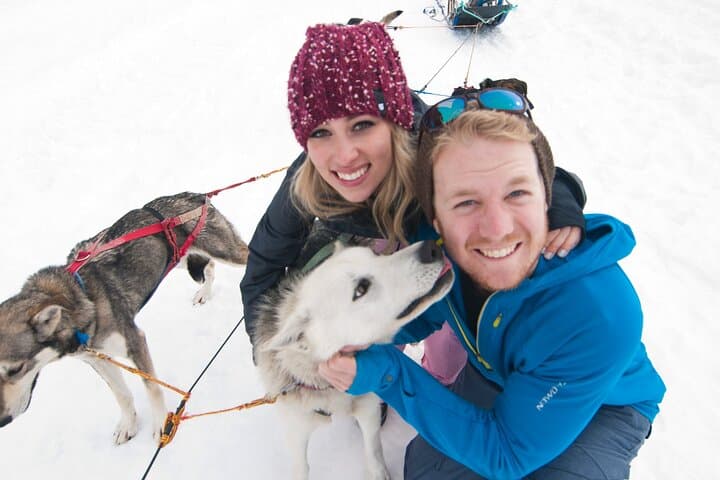
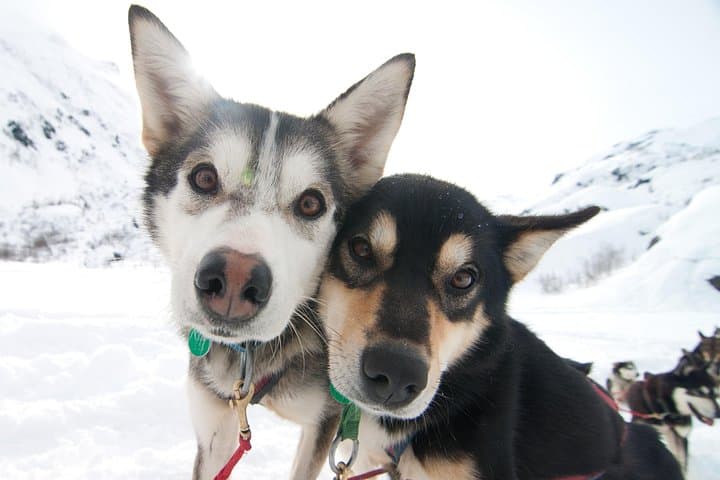
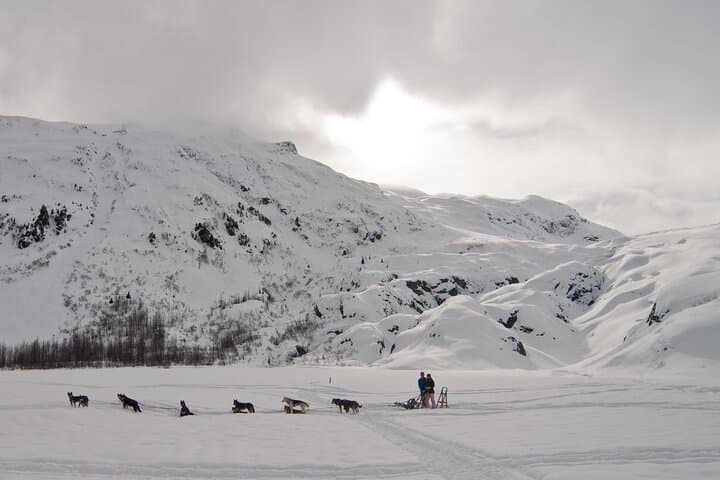
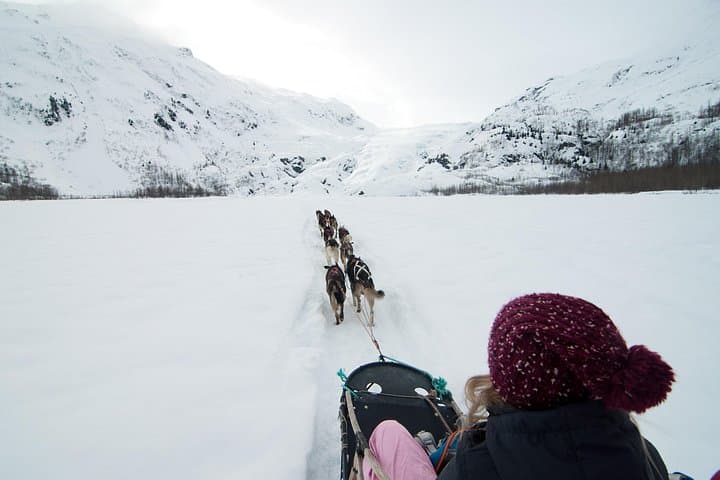
Snow scrapes your boots as the team barks and strains—eager, focused, alive. In the low winter light outside Knik, the sled hums forward and the dogs pull like a living engine through open tundra and birch stands. The cold presses at your face, but the rhythm of paws and runners pushes you onward; the land itself seems to urge you down the trail.
Snow scrapes your boots as the team barks and strains—eager, focused, alive. In the low winter light outside Knik, the sled hums forward and the dogs pull like a living engine through open tundra and birch stands. The cold presses at your face, but the rhythm of paws and runners pushes you onward; the land itself seems to urge you down the trail.
This area sits on the edge of Alaska’s glacial plain where rivers have carved broad, braided channels into Pleistocene sediment. Mushing is woven into local culture—practices born of necessity that evolved into the Iditarod-era sport. Guides will often tie stories of race camps, kennel care, and the seasonal life cycle of sled teams into the ride, giving a practical view of how people and dogs have moved across this landscape for generations.
Expect mostly flat to rolling terrain with packed-snow trails, occasional creek crossings, and panoramic views of distant peaks. The outing is brief and approachable: you can drive the sled under guide supervision or ride and photograph from the sled. Photo stops are built into the route, and the operation supplies parkas for warmth.
Practical notes: dress in insulated layers, waterproof boots, and bring a camera with spare batteries (cold drains power fast). Roads to the kennel are plowed but can be icy—allow extra drive time from Wasilla or Anchorage. If you want more time with the dogs, ask about kennel visits before or after the run. Respect the team: follow the musher’s instructions, keep sudden movements minimal, and store snacks where instructed. This is a short, high-impact winter experience—hands-on, educational, and reliably Alaskan.