THE ADVENTURE COLLECTIVE® · Independent discovery and booking for outdoor travel

Step from Lisbon into a day of river crossings, medieval towers and cloisters. This guided tour to Tomar and Almourol Castle pairs Templar history with riverside views and short, manageable walks.
Step from Lisbon into a day of river crossings, medieval towers and cloisters. This guided tour to Tomar and Almourol Castle pairs Templar history with riverside views and short, manageable walks.
You leave Lisbon behind on a low-slung van, sunlight sliding across the Tagus as the city recedes and the plain opens.
Verified experiences and guided adventures in the surrounding area.
Operated by Tugatrips, Tours & Events · Tomar, Santarém District
You leave Lisbon behind on a low-slung van, sunlight sliding across the Tagus as the city recedes and the plain opens.
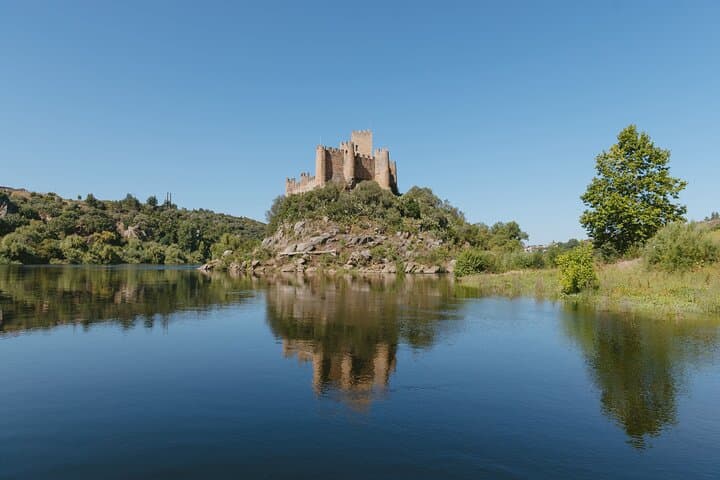
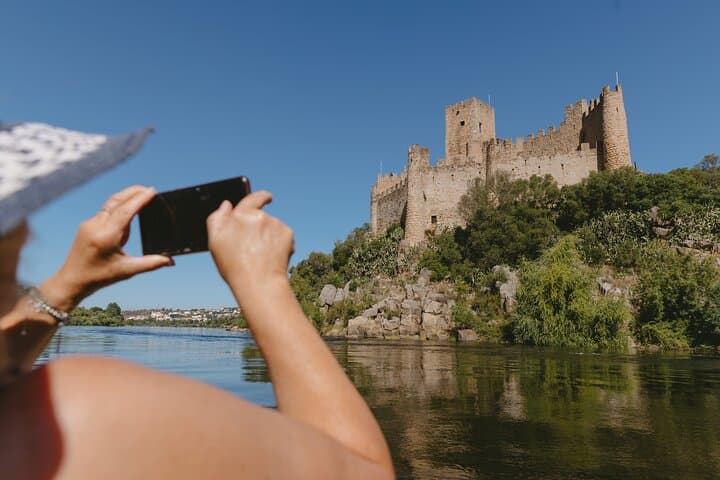
By mid-morning you’re standing on the riverbank, the castle of Almourol rising from a tiny island like a stone challenge thrown into the current. The river dares you close; a short boat ride ferries you to battlements built in the 12th century by the Knights Templar. Wind and water have shaped the island’s basalt and schist; narrow steps and uneven masonry demand steady footing and a measured pace.
Later in Tomar the Convent of Christ imposes itself across a small hill. The Charola’s round church, Manueline portals and layered cloisters show architectural shifts from Romanesque to Renaissance, each era carved into stone by orders who shaped Portugal’s medieval politics and religion.
Tomar’s streets are compact and walkable—cobbles, a few short climbs (expect roughly 60–100 m of elevation gain if you visit towers), and staircases through narrow courtyards. Local cafés serve hearty Alentejo dishes and fresh pastries; guides point out Templar emblems hidden in carvings and explain the convent’s role in the Reconquista.
Practical side: wear supportive shoes for cobbles and steps, carry a refillable water bottle, and plan for an eight-hour day with several short walks and a boat transfer. Photography is excellent from both sites but can be windy on the Tagus; pack a light wind layer. The tour balances history, landscape, and manageable activity—ideal for travelers who want active cultural immersion without technical demands.
moderate.
8 hours.
Moderately fit: able to handle several short walks, stairs and up to ~100 m of elevation gain while standing for guided explanations.
Yes—admission to both the Convent of Christ and Almourol Castle are included in the tour price.
Moderate: expect short walks, cobbled streets and stair climbs; no technical hiking but some sections require steady footing.
The meeting point is Miradouro Parque Eduardo VII (Edward VII Park Viewpoint); the tour returns there at the end of the day.
The boat crossing involves steps and a short boarding process; travelers with serious mobility limitations should check with the operator in advance.
The Convent of Christ began as a 12th-century Templar stronghold and later evolved under royal patronage, reflecting Portugal’s medieval military and religious transformations.
Both sites manage visitor flow to protect stonework and archaeological fabric; stay on marked paths, avoid touching carvings, and take litter out with you.
Tugatrips, Tours & Events operates guided outdoor trips and adventures with an emphasis on safety, stewardship, and memorable experiences.


You leave Lisbon behind on a low-slung van, sunlight sliding across the Tagus as the city recedes and the plain opens.
You leave Lisbon behind on a low-slung van, sunlight sliding across the Tagus as the city recedes and the plain opens.
By mid-morning you’re standing on the riverbank, the castle of Almourol rising from a tiny island like a stone challenge thrown into the current. The river dares you close; a short boat ride ferries you to battlements built in the 12th century by the Knights Templar. Wind and water have shaped the island’s basalt and schist; narrow steps and uneven masonry demand steady footing and a measured pace.
Later in Tomar the Convent of Christ imposes itself across a small hill. The Charola’s round church, Manueline portals and layered cloisters show architectural shifts from Romanesque to Renaissance, each era carved into stone by orders who shaped Portugal’s medieval politics and religion.
Tomar’s streets are compact and walkable—cobbles, a few short climbs (expect roughly 60–100 m of elevation gain if you visit towers), and staircases through narrow courtyards. Local cafés serve hearty Alentejo dishes and fresh pastries; guides point out Templar emblems hidden in carvings and explain the convent’s role in the Reconquista.
Practical side: wear supportive shoes for cobbles and steps, carry a refillable water bottle, and plan for an eight-hour day with several short walks and a boat transfer. Photography is excellent from both sites but can be windy on the Tagus; pack a light wind layer. The tour balances history, landscape, and manageable activity—ideal for travelers who want active cultural immersion without technical demands.