THE ADVENTURE COLLECTIVE® · Independent discovery and booking for outdoor travel

Step into a cinematic hangar where WWI aircraft and WingNut Films’ sets place you amid Great War airfields. This accessible exhibition mixes rare artifacts with immersive scenes—perfect for history buffs and curious travelers alike.
Step into a cinematic hangar where WWI aircraft and WingNut Films’ sets place you amid Great War airfields. This accessible exhibition mixes rare artifacts with immersive scenes—perfect for history buffs and curious travelers alike.
You step from Marlborough sunshine into a dim hangar where spotlights pick out fabric-covered wings and brass fittings; the hush makes engines and propellers feel like relics holding their breath. WingNut Films’ sets and Wētā Workshop details arrange those aircraft into scenes—dugouts, airfields and a pilot’s mess—so you’re looking at machines and the people who raced them, not just museum cases.
Verified experiences and guided adventures in the surrounding area.
Operated by Omaka Aviation Heritage Centre · Blenheim, Marlborough
You step from Marlborough sunshine into a dim hangar where spotlights pick out fabric-covered wings and brass fittings; the hush makes engines and propellers feel like relics holding their breath. WingNut Films’ sets and Wētā Workshop details arrange those aircraft into scenes—dugouts, airfields and a pilot’s mess—so you’re looking at machines and the people who raced them, not just museum cases.
The exhibition traces World War I aviation from fragile biplanes to lethal dogfights, framed by original trench art, uniforms and personal items — even objects linked to the Red Baron. The displays emphasize human stories as much as engineering: volunteer restorers conserve wooden frames and doped fabric, while curators stage encounters that place visitors in the war’s atmospheric context. Geologically, the Omaka site sits on the low alluvial plains of the Wairau valley, a short drive from the rolling foothills of the Richmond Range and the vineyards that define Marlborough’s culture.
Expect a 45–120 minute visit that balances cinematic installations with technical interpretation. The layout is accessible, with on-request guided tours and clear interpretive panels for self-guided visitors. Practical notes: buy mobile or paper tickets in advance during summer weekends; allow time for the gift shop and a coffee; winter visitors should bring a warm layer—the large spaces can feel cool. Photography is permitted for personal use; please respect conservation signage near fragile artifacts. Whether you come for aviation history, cinema craftsmanship, or a family outing, the exhibition delivers cinematic scale with museum-grade care and context.
easy.
45–120 minutes.
Suitable for all fitness levels; mostly indoor walking on flat surfaces
Plan between 45 minutes and two hours depending on whether you take a guided tour or explore the displays in detail.
Yes—self-guided visits are standard, and guided tours can be arranged on request; check ahead for scheduling.
The venue is wheelchair and stroller accessible, with accessible surfaces and facilities; service animals are permitted.
Mobile or paper tickets are accepted; for a full refund cancel at least 24 hours before your scheduled time.
The exhibition showcases Sir Peter Jackson’s collection and recreations that chart the rapid technological and social changes in aviation during World War I.
Aircraft and artifacts are conserved using climate control and museum protocols; visitors are asked to follow signage to minimize wear on delicate materials.
Omaka Aviation Heritage Centre operates guided outdoor trips and adventures with an emphasis on safety, stewardship, and memorable experiences.
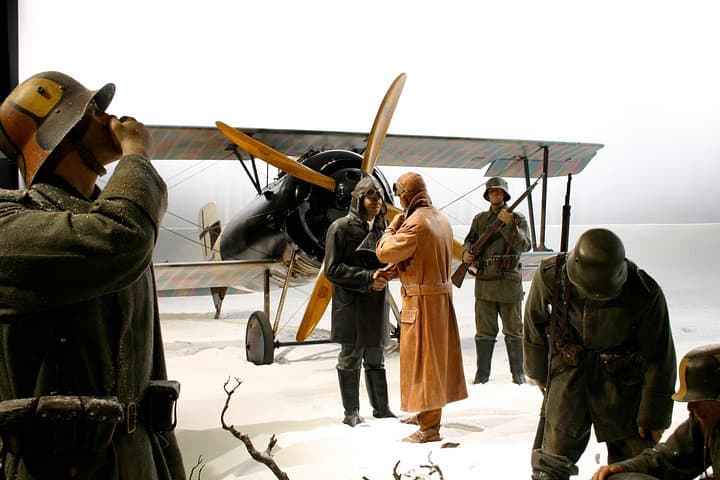

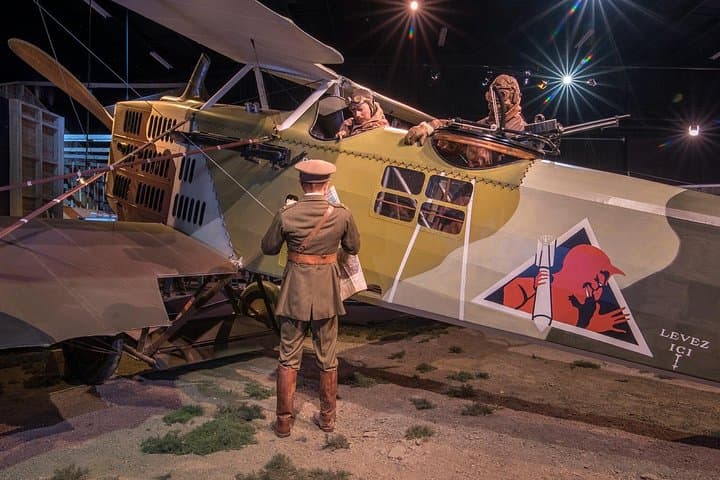
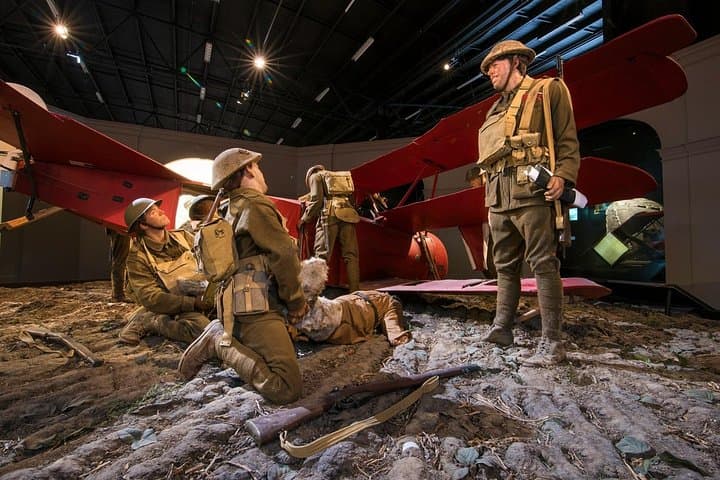
You step from Marlborough sunshine into a dim hangar where spotlights pick out fabric-covered wings and brass fittings; the hush makes engines and propellers feel like relics holding their breath. WingNut Films’ sets and Wētā Workshop details arrange those aircraft into scenes—dugouts, airfields and a pilot’s mess—so you’re looking at machines and the people who raced them, not just museum cases.
You step from Marlborough sunshine into a dim hangar where spotlights pick out fabric-covered wings and brass fittings; the hush makes engines and propellers feel like relics holding their breath. WingNut Films’ sets and Wētā Workshop details arrange those aircraft into scenes—dugouts, airfields and a pilot’s mess—so you’re looking at machines and the people who raced them, not just museum cases.
The exhibition traces World War I aviation from fragile biplanes to lethal dogfights, framed by original trench art, uniforms and personal items — even objects linked to the Red Baron. The displays emphasize human stories as much as engineering: volunteer restorers conserve wooden frames and doped fabric, while curators stage encounters that place visitors in the war’s atmospheric context. Geologically, the Omaka site sits on the low alluvial plains of the Wairau valley, a short drive from the rolling foothills of the Richmond Range and the vineyards that define Marlborough’s culture.
Expect a 45–120 minute visit that balances cinematic installations with technical interpretation. The layout is accessible, with on-request guided tours and clear interpretive panels for self-guided visitors. Practical notes: buy mobile or paper tickets in advance during summer weekends; allow time for the gift shop and a coffee; winter visitors should bring a warm layer—the large spaces can feel cool. Photography is permitted for personal use; please respect conservation signage near fragile artifacts. Whether you come for aviation history, cinema craftsmanship, or a family outing, the exhibition delivers cinematic scale with museum-grade care and context.