THE ADVENTURE COLLECTIVE® · Independent discovery and booking for outdoor travel

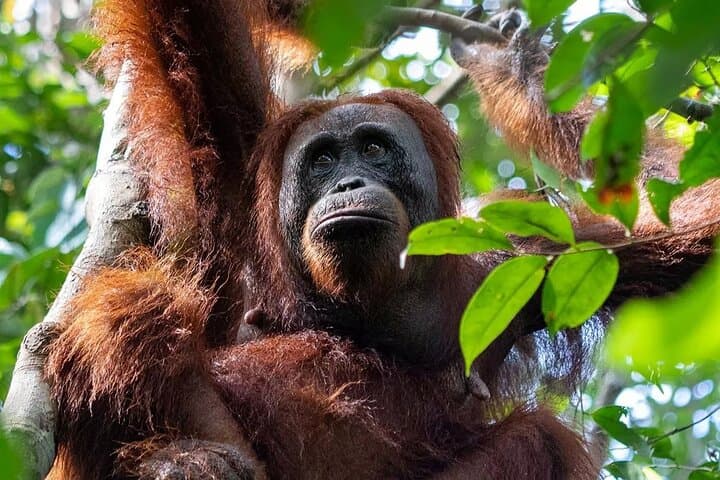
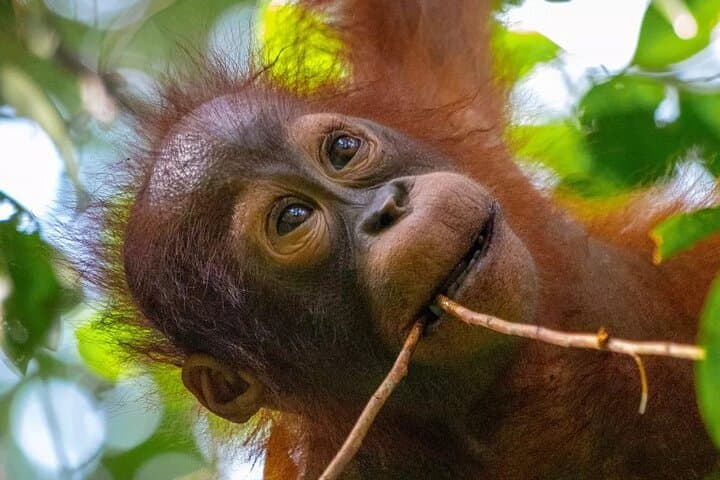
Glide the Sekonyer River onboard a private klotok, watching wild orangutans at Camp Leakey and Pondok Tanggui across four days. Expect long mornings of wildlife-watching, rustic nights on board, and immersive visits to research camps and river villages.
Glide the Sekonyer River onboard a private klotok, watching wild orangutans at Camp Leakey and Pondok Tanggui across four days. Expect long mornings of wildlife-watching, rustic nights on board, and immersive visits to research camps and river villages.
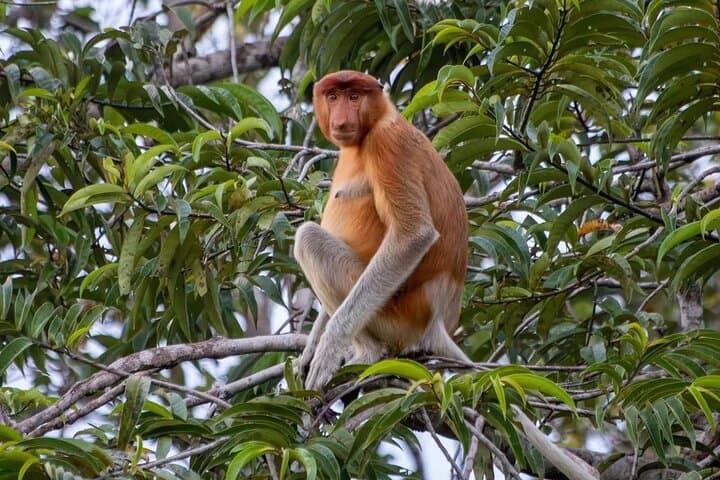
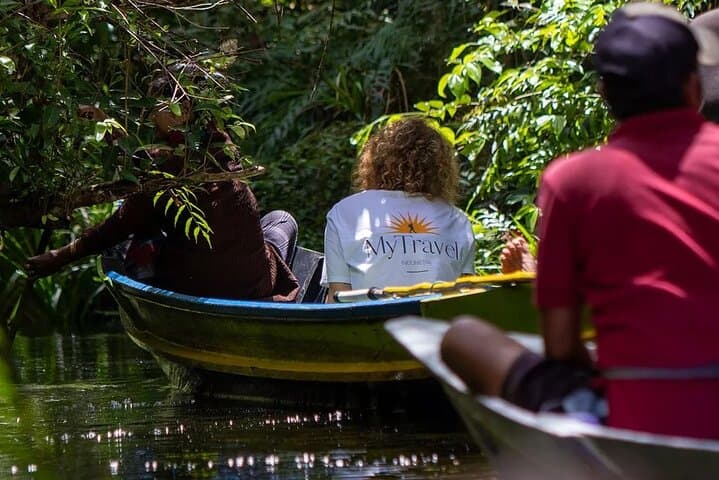
The klotok slips away from Kumai at dawn, the Sekonyer River pulling the boat into a corridor of dark water and green walls. Mangrove roots claw the banks while kingfishers and hornbills flap overhead; the river seems to lead the way as the jungle holds its breath. Nights are spent moored beneath a sky so full of stars the boat feels small and steady.
Verified experiences and guided adventures in the surrounding area.
Operated by MyTravel Indonesia · Pangkalan Bun, Central Kalimantan
The klotok slips away from Kumai at dawn, the Sekonyer River pulling the boat into a corridor of dark water and green walls. Mangrove roots claw the banks while kingfishers and hornbills flap overhead; the river seems to lead the way as the jungle holds its breath. Nights are spent moored beneath a sky so full of stars the boat feels small and steady.
Tanjung Puting National Park became a formal protected area in the late 20th century; its peat swamp and river channels are carved into flat lowlands and old-growth dipterocarp forest shaped by seasonal flooding and peat soils. The route follows waterways used for decades by local communities and researchers—Camp Leakey, set up by primatologist Biruté Galdikas in the 1970s, remains a center for orangutan rehabilitation and study.
Expect slow wildlife-watching mornings at feeding platforms, guided walks on raised boardwalks, and village visits where you’ll learn about riverine life and rubber or sago production. The klotok is basic but comfortable: shared spaces, local meals cooked on board, and small cabins for sleeping.
Practical guidance: pack rain protection and insect repellent, bring binoculars and a dry bag for cameras. Respect viewing distances at feeding camps, stick to paths, and follow crew instructions for night walks. Water and food are provided on a typical 4-day itinerary; mobility is easy but expect uneven planks and slippery surfaces when exploring on foot. This trip trades luxury for proximity—close encounters with orangutans and the slow, insistent pulse of Borneo’s river jungle.
moderate.
4 days (approx. 96 hours).
Suitable for most travelers with basic mobility; expect short hikes on uneven boardwalks and frequent boat transfers.
Sightings at feeding platforms like Pondok Tanggui and Camp Leakey are common, but wild sightings depend on season, recent weather, and animal movements; guides maximize chances by timing visits to feeding times.
Klotoks are traditional wooden boats with simple cabins, shared facilities, and local meals—comfortable for travelers prepared for basic, rustic accommodations rather than luxury amenities.
Travelers should be up to date on routine vaccines and consult a travel clinic about typhoid, hepatitis A, and malaria prevention; bring personal medications and a small first-aid kit.
Yes—optional night walks or mangrove boat rides for firefly displays are usually offered; follow guides’ safety instructions and avoid flash photography near wildlife.
Tanjung Puting was designated a national park in the late 20th century and hosts long-term orangutan research and rehabilitation projects initiated by researchers in the 1970s.
Visits fund rehabilitation and park fees; minimize impact by staying on boardwalks, not leaving waste, and following guide rules to avoid stressing wildlife.
MyTravel Indonesia operates guided outdoor trips and adventures with an emphasis on safety, stewardship, and memorable experiences.
The klotok slips away from Kumai at dawn, the Sekonyer River pulling the boat into a corridor of dark water and green walls. Mangrove roots claw the banks while kingfishers and hornbills flap overhead; the river seems to lead the way as the jungle holds its breath. Nights are spent moored beneath a sky so full of stars the boat feels small and steady.
The klotok slips away from Kumai at dawn, the Sekonyer River pulling the boat into a corridor of dark water and green walls. Mangrove roots claw the banks while kingfishers and hornbills flap overhead; the river seems to lead the way as the jungle holds its breath. Nights are spent moored beneath a sky so full of stars the boat feels small and steady.
Tanjung Puting National Park became a formal protected area in the late 20th century; its peat swamp and river channels are carved into flat lowlands and old-growth dipterocarp forest shaped by seasonal flooding and peat soils. The route follows waterways used for decades by local communities and researchers—Camp Leakey, set up by primatologist Biruté Galdikas in the 1970s, remains a center for orangutan rehabilitation and study.
Expect slow wildlife-watching mornings at feeding platforms, guided walks on raised boardwalks, and village visits where you’ll learn about riverine life and rubber or sago production. The klotok is basic but comfortable: shared spaces, local meals cooked on board, and small cabins for sleeping.
Practical guidance: pack rain protection and insect repellent, bring binoculars and a dry bag for cameras. Respect viewing distances at feeding camps, stick to paths, and follow crew instructions for night walks. Water and food are provided on a typical 4-day itinerary; mobility is easy but expect uneven planks and slippery surfaces when exploring on foot. This trip trades luxury for proximity—close encounters with orangutans and the slow, insistent pulse of Borneo’s river jungle.