THE ADVENTURE COLLECTIVE® · Independent discovery and booking for outdoor travel

Board a traditional klotok from Kumai and glide the Sekonyer River into Tanjung Puting National Park to see semi-wild orangutans at feeding camps, explore mangrove-lined waterways, and learn about local conservation. This accessible day trip blends wildlife viewing with a gentle rainforest walk.
Board a traditional klotok from Kumai and glide the Sekonyer River into Tanjung Puting National Park to see semi-wild orangutans at feeding camps, explore mangrove-lined waterways, and learn about local conservation. This accessible day trip blends wildlife viewing with a gentle rainforest walk.
You step onto the low wooden klotok as morning light skims the Sekonyer River, and the boat answers with a steady, wooden heartbeat. Mangrove trunks lean like attentive neighbors, and the river slides past palms and nipah fronds that seem to reach for the hull. Ranger voices break the hush when the boat nudges a feeding platform; an adult orangutan appears with a deliberate, glassy calm—an animal that approaches life at its own pace.
Verified experiences and guided adventures in the surrounding area.
Operated by lookorangutan · Kumai, Central Kalimantan
You step onto the low wooden klotok as morning light skims the Sekonyer River, and the boat answers with a steady, wooden heartbeat. Mangrove trunks lean like attentive neighbors, and the river slides past palms and nipah fronds that seem to reach for the hull. Ranger voices break the hush when the boat nudges a feeding platform; an adult orangutan appears with a deliberate, glassy calm—an animal that approaches life at its own pace.
Tanjung Puting was set aside to protect Borneo's remaining lowland forest and its flagship species, the Bornean orangutan. The park's geology is river-carved peat and alluvial plain: soft black earth that holds water and supports dense swamp forest, a landscape shaped by seasonal floods and river meanders.
Culture here is river culture—Kumai and Pangkalan Bun supply the boats, and local guides combine traditional knowledge with conservation work started by researchers in the 1970s. The klotok itself is simple: shaded upper deck for viewing, a basic cabin below, and room to walk, listen, and watch the forest pass.
Practically: expect a mostly gentle day with short guided walks at feeding sites, boat transfers, and basic onboard facilities. Bring insect repellent, sun protection, a light rain layer, and a camera with a zoom lens. Hydrate before and during the trip—tropical humidity drains energy fast. Respect ranger instructions at feeding platforms; framing a good photograph doesn’t trump the animals’ space. Timed for morning and afternoon feedings, this day trip is compact, accessible, and one of the clearest opportunities to see semi-wild orangutans in a working conservation landscape.
easy.
6–8 hours.
Suitable for most fitness levels; involves short, flat guided walks and periods of standing on the boat
The trip is typically 6–8 hours, including boat transfers, guided walks at feeding sites, and time cruising the Sekonyer River.
Feeding sessions at Pondok Tanggui or Tanjung Harapan increase chances of sightings, but wildlife is never guaranteed—rangers and feeding times maximize opportunities.
The klotok is a slow-moving river boat with gentle motion; those sensitive to motion may prefer medication or a seat in the middle of the boat.
Light refreshments, lunch, bottled water, and national park fees are typically included on this day trip—confirm inclusions at booking.
Tanjung Puting became a conservation focus in the 1970s with researchers establishing rehabilitation and research sites like Camp Leakey to protect and study orangutans.
The park protects peat swamp and lowland forest crucial for orangutans but faces ongoing threats from illegal logging and agricultural conversion; visitors are encouraged to follow low-impact practices.
lookorangutan operates guided outdoor trips and adventures with an emphasis on safety, stewardship, and memorable experiences.
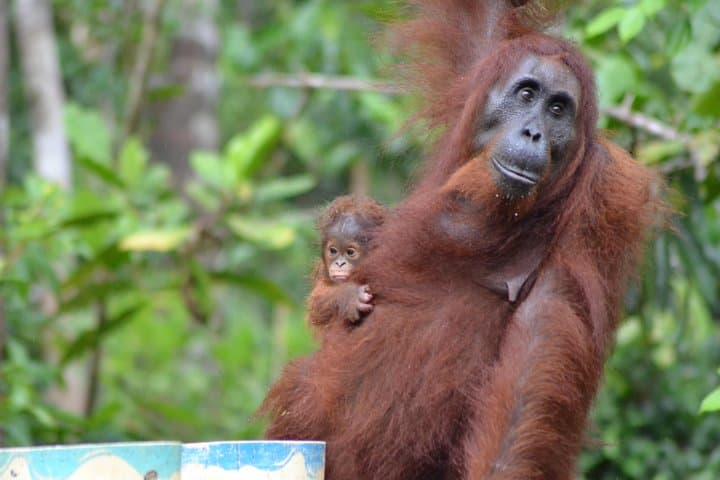
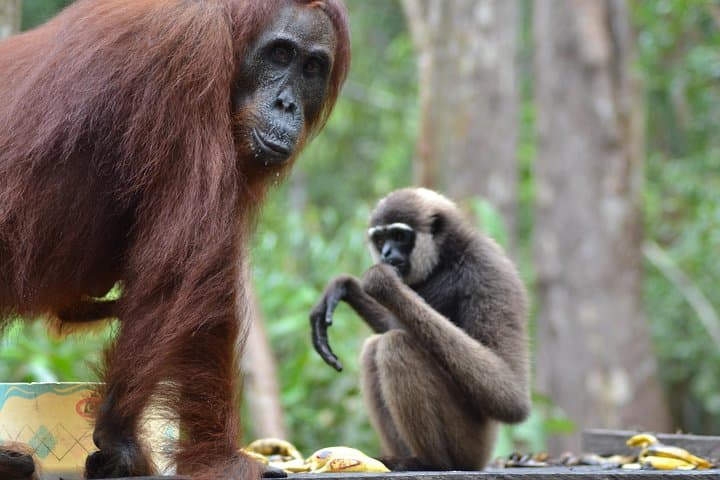

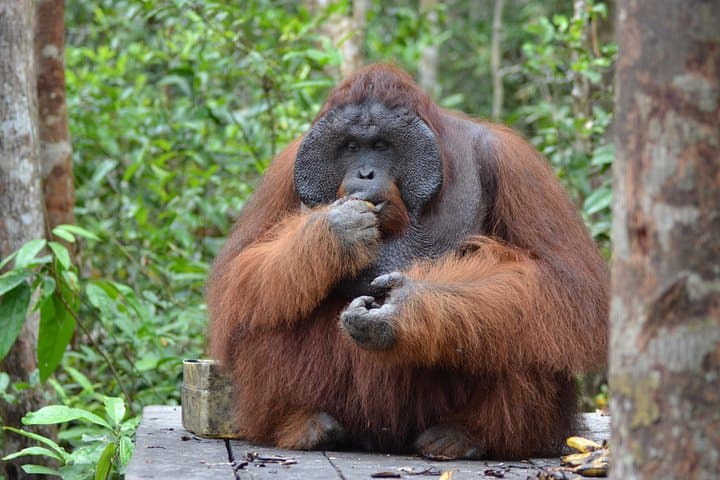
You step onto the low wooden klotok as morning light skims the Sekonyer River, and the boat answers with a steady, wooden heartbeat. Mangrove trunks lean like attentive neighbors, and the river slides past palms and nipah fronds that seem to reach for the hull. Ranger voices break the hush when the boat nudges a feeding platform; an adult orangutan appears with a deliberate, glassy calm—an animal that approaches life at its own pace.
You step onto the low wooden klotok as morning light skims the Sekonyer River, and the boat answers with a steady, wooden heartbeat. Mangrove trunks lean like attentive neighbors, and the river slides past palms and nipah fronds that seem to reach for the hull. Ranger voices break the hush when the boat nudges a feeding platform; an adult orangutan appears with a deliberate, glassy calm—an animal that approaches life at its own pace.
Tanjung Puting was set aside to protect Borneo's remaining lowland forest and its flagship species, the Bornean orangutan. The park's geology is river-carved peat and alluvial plain: soft black earth that holds water and supports dense swamp forest, a landscape shaped by seasonal floods and river meanders.
Culture here is river culture—Kumai and Pangkalan Bun supply the boats, and local guides combine traditional knowledge with conservation work started by researchers in the 1970s. The klotok itself is simple: shaded upper deck for viewing, a basic cabin below, and room to walk, listen, and watch the forest pass.
Practically: expect a mostly gentle day with short guided walks at feeding sites, boat transfers, and basic onboard facilities. Bring insect repellent, sun protection, a light rain layer, and a camera with a zoom lens. Hydrate before and during the trip—tropical humidity drains energy fast. Respect ranger instructions at feeding platforms; framing a good photograph doesn’t trump the animals’ space. Timed for morning and afternoon feedings, this day trip is compact, accessible, and one of the clearest opportunities to see semi-wild orangutans in a working conservation landscape.