THE ADVENTURE COLLECTIVE® · Independent discovery and booking for outdoor travel

A full-day catamaran trip to Klein Curaçao takes you to a remote sand island where clear water, a rusted shipwreck, and a squat lighthouse frame unforgettable snorkeling with sea turtles. Expect a relaxed day with breakfast, BBQ lunch, and guided snorkeling; minimal island facilities mean come prepared.
A full-day catamaran trip to Klein Curaçao takes you to a remote sand island where clear water, a rusted shipwreck, and a squat lighthouse frame unforgettable snorkeling with sea turtles. Expect a relaxed day with breakfast, BBQ lunch, and guided snorkeling; minimal island facilities mean come prepared.
A low-slung horizon of sugar-white sand appears after an hour and a half of catamaran ride, the sea changing from deep cobalt to a clear, postcard turquoise. Salt spray and wind shape the island’s profile; the wreck’s twisted metal and the squat white lighthouse give Klein Curaçao a raw, cinematic silhouette. On arrival the water dares you—shallow, warm, and busy with sea turtles slipping between patches of coral.
Verified experiences and guided adventures in the surrounding area.
Operated by Irie Tours · Willemstad, Curaçao
A low-slung horizon of sugar-white sand appears after an hour and a half of catamaran ride, the sea changing from deep cobalt to a clear, postcard turquoise. Salt spray and wind shape the island’s profile; the wreck’s twisted metal and the squat white lighthouse give Klein Curaçao a raw, cinematic silhouette. On arrival the water dares you—shallow, warm, and busy with sea turtles slipping between patches of coral.
Geologically the island is a flat coral and sand formation off Curaçao’s southeast shelf, a remnant of reef growth and wave-broken limestone. Historically it has been uninhabited, used as a navigational mark and for guano collection; the 19th-century lighthouse still guides mariners. Local fishing villages on Curaçao treat Klein Curaçao as a ritual day-out — a simple place where the ocean’s life is laid bare.
Expect a laid-back itinerary: breakfast on board, a guided snorkel with provided mask and fins, time to hike to the lighthouse and walk out to the rusted shipwreck, and a BBQ lunch under limited shade. The terrain is sand and scattered rock; bring reef-safe sunscreen and a waterproof bag. Seas can be choppy on the crossing—book a morning departure if you prefer calmer water and clearer visibility for snorkeling.
Practical notes: facilities on the island are minimal, so pack water, sun protection, and a spare set of dry clothes. Respect nesting areas and reef rules; the experience hinges on the health of those reefs and the endurance of native wildlife.
easy.
9 hours.
Suitable for most fitness levels—requires basic mobility for boarding, short walks on sand/rock, and basic swimming for snorkeling
The full excursion is about 9 hours from departure to return, with roughly 1.5 hours each way by catamaran and several hours on the island.
Yes — snorkel masks and basic instruction are provided on board; guides will point out turtle areas and reef etiquette.
Children are allowed but operators generally recommend ages 6 and up; check with the tour operator about life jackets and supervision policies.
Facilities are minimal; there are no shops. The boat usually has restrooms and meals are provided, so bring water, sun protection, and any personal items you need.
Klein Curaçao has been uninhabited for centuries; its lighthouse dates to the 19th century and the island was historically noted as a navigational marker and guano site.
The surrounding reef is fragile—visitors are asked to use reef-safe sunscreen, avoid touching coral, and refrain from feeding wildlife to protect long-term ecosystem health.
Irie Tours operates guided outdoor trips and adventures with an emphasis on safety, stewardship, and memorable experiences.
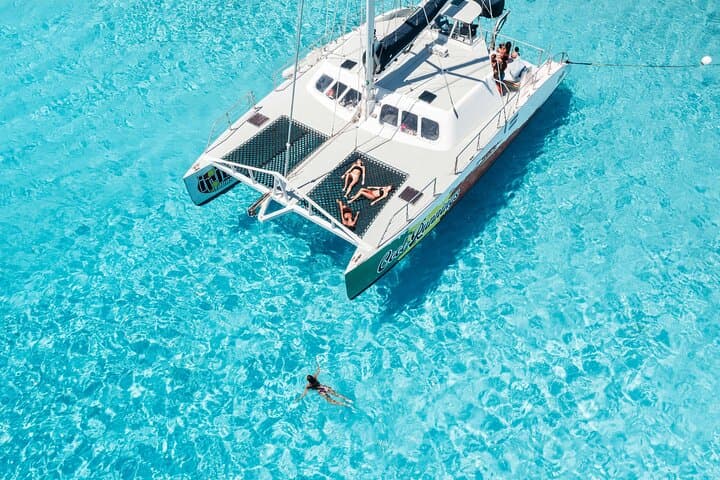
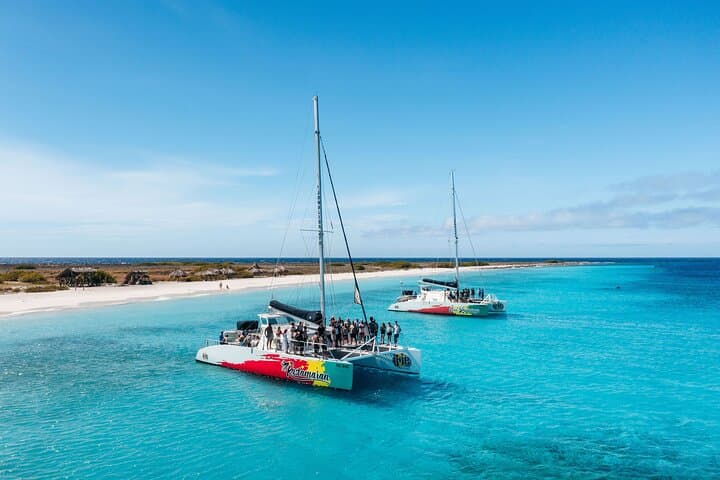
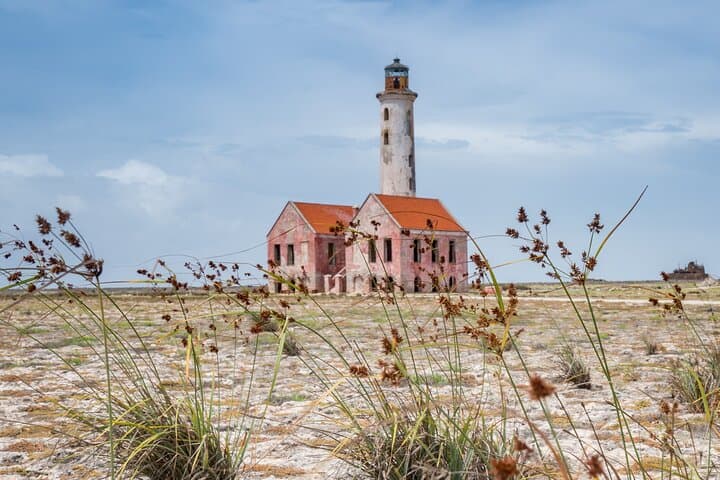
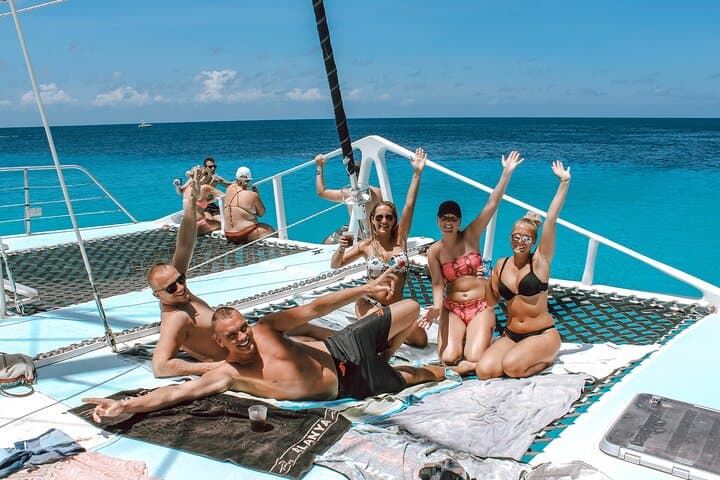
A low-slung horizon of sugar-white sand appears after an hour and a half of catamaran ride, the sea changing from deep cobalt to a clear, postcard turquoise. Salt spray and wind shape the island’s profile; the wreck’s twisted metal and the squat white lighthouse give Klein Curaçao a raw, cinematic silhouette. On arrival the water dares you—shallow, warm, and busy with sea turtles slipping between patches of coral.
A low-slung horizon of sugar-white sand appears after an hour and a half of catamaran ride, the sea changing from deep cobalt to a clear, postcard turquoise. Salt spray and wind shape the island’s profile; the wreck’s twisted metal and the squat white lighthouse give Klein Curaçao a raw, cinematic silhouette. On arrival the water dares you—shallow, warm, and busy with sea turtles slipping between patches of coral.
Geologically the island is a flat coral and sand formation off Curaçao’s southeast shelf, a remnant of reef growth and wave-broken limestone. Historically it has been uninhabited, used as a navigational mark and for guano collection; the 19th-century lighthouse still guides mariners. Local fishing villages on Curaçao treat Klein Curaçao as a ritual day-out — a simple place where the ocean’s life is laid bare.
Expect a laid-back itinerary: breakfast on board, a guided snorkel with provided mask and fins, time to hike to the lighthouse and walk out to the rusted shipwreck, and a BBQ lunch under limited shade. The terrain is sand and scattered rock; bring reef-safe sunscreen and a waterproof bag. Seas can be choppy on the crossing—book a morning departure if you prefer calmer water and clearer visibility for snorkeling.
Practical notes: facilities on the island are minimal, so pack water, sun protection, and a spare set of dry clothes. Respect nesting areas and reef rules; the experience hinges on the health of those reefs and the endurance of native wildlife.