THE ADVENTURE COLLECTIVE® · Independent discovery and booking for outdoor travel

Explore two vibrant reefs off Klein Bonaire on a guided 3.5-hour snorkeling excursion from Kralendijk. Expect clear Caribbean water, professional gear and mooring-buoy protected sites with abundant fish and coral.
Explore two vibrant reefs off Klein Bonaire on a guided 3.5-hour snorkeling excursion from Kralendijk. Expect clear Caribbean water, professional gear and mooring-buoy protected sites with abundant fish and coral.
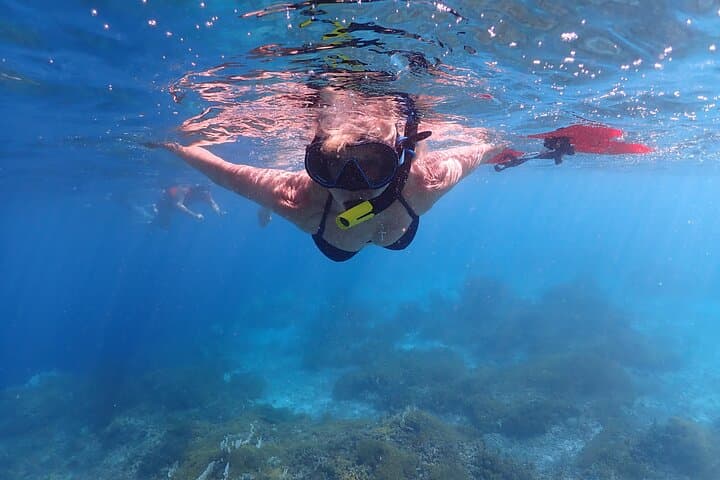
A low-slung boat slips away from Kralendijk as the island’s flat horizon opens into Caribbean blue. Spray mists the bow and the captain points toward the pale crescent of Klein Bonaire—an uninhabited islet ringed by shallow fringing reef. The first stop drops you into clear water where finger corals and brain corals rise from sand, parrotfish scrape algae from coral heads, and the current nudges you along a living, breathing reef garden.
Verified experiences and guided adventures in the surrounding area.
Operated by Aqua Fun Bonaire · Kralendijk, Bonaire
A low-slung boat slips away from Kralendijk as the island’s flat horizon opens into Caribbean blue. Spray mists the bow and the captain points toward the pale crescent of Klein Bonaire—an uninhabited islet ringed by shallow fringing reef. The first stop drops you into clear water where finger corals and brain corals rise from sand, parrotfish scrape algae from coral heads, and the current nudges you along a living, breathing reef garden.
Klein Bonaire sits off Bonaire’s west coast and is part of the Bonaire National Marine Park, a protected area created to preserve the island’s abundant coral and fish communities. Geologically the reefs rest on limestone platforms formed by ancient coral growth and sea-level shifts; culturally, the waters are central to Bonaire’s tourism economy and local dive traditions.
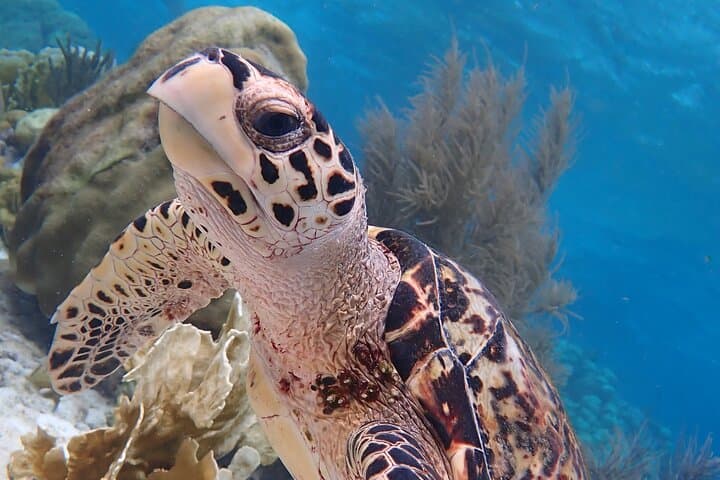
Expect two snorkel sites in roughly 3.5 hours: the first for orientation and easy swimming, the second often deeper with more structure and larger fish. Guides provide masks, snorkels, fins and flotation and give a short briefing on reef-safe behavior—no standing on coral, no touching marine life. Bring a reef-safe sunscreen, a waterproof camera, and patience: turtles and rays move on reef time.
Practical tips: morning departures usually mean calmer seas and better visibility; wear a rashguard for sun and abrasion protection; if you’re traveling from a cruise ship, provide docking details at booking. The trip balances relaxed boat time with focused underwater exploration—ideal for curious snorkelers who value clear water, quality equipment, and a protected marine environment.
easy.
3–4 hours.
Light to moderate fitness; able to swim short distances and surface for 20–30 minutes at a time
Boat transport, two snorkel stops, snorkel gear, flotation devices, professional guide, snacks, drinks and hotel/port pickup where applicable.
Yes—this excursion is suitable for beginners and most children if they can swim and wear provided flotation; infants must sit on an adult’s lap on the boat.
Moderate fitness is recommended; swimmers should be comfortable treading water and snorkeling for short periods. Guides can adjust to sea conditions and offer flotation for support.
The Bonaire National Marine Park prohibits touching or removing marine life and anchoring on reefs—use mooring buoys and follow guide instructions.
Klein Bonaire is uninhabited and forms part of the Bonaire National Marine Park, established in 1979 to protect extensive fringing reefs and seagrass beds.
The marine park enforces no-take rules, mooring buoys and reef-safe practices; visitors are encouraged to minimize sunscreen pollution and avoid physical contact with coral.
Aqua Fun Bonaire operates guided outdoor trips and adventures with an emphasis on safety, stewardship, and memorable experiences.


A low-slung boat slips away from Kralendijk as the island’s flat horizon opens into Caribbean blue. Spray mists the bow and the captain points toward the pale crescent of Klein Bonaire—an uninhabited islet ringed by shallow fringing reef. The first stop drops you into clear water where finger corals and brain corals rise from sand, parrotfish scrape algae from coral heads, and the current nudges you along a living, breathing reef garden.
A low-slung boat slips away from Kralendijk as the island’s flat horizon opens into Caribbean blue. Spray mists the bow and the captain points toward the pale crescent of Klein Bonaire—an uninhabited islet ringed by shallow fringing reef. The first stop drops you into clear water where finger corals and brain corals rise from sand, parrotfish scrape algae from coral heads, and the current nudges you along a living, breathing reef garden.
Klein Bonaire sits off Bonaire’s west coast and is part of the Bonaire National Marine Park, a protected area created to preserve the island’s abundant coral and fish communities. Geologically the reefs rest on limestone platforms formed by ancient coral growth and sea-level shifts; culturally, the waters are central to Bonaire’s tourism economy and local dive traditions.
Expect two snorkel sites in roughly 3.5 hours: the first for orientation and easy swimming, the second often deeper with more structure and larger fish. Guides provide masks, snorkels, fins and flotation and give a short briefing on reef-safe behavior—no standing on coral, no touching marine life. Bring a reef-safe sunscreen, a waterproof camera, and patience: turtles and rays move on reef time.
Practical tips: morning departures usually mean calmer seas and better visibility; wear a rashguard for sun and abrasion protection; if you’re traveling from a cruise ship, provide docking details at booking. The trip balances relaxed boat time with focused underwater exploration—ideal for curious snorkelers who value clear water, quality equipment, and a protected marine environment.