THE ADVENTURE COLLECTIVE® · Independent discovery and booking for outdoor travel

Cross the channel from Klaipėda to the Curonian Spit and walk among towering sand dunes, wind-sculpted trees and villages rooted in Baltic fishing traditions. This guided shore excursion mixes geology, folklore and easy hikes with ferry travel and regional museums.
Cross the channel from Klaipėda to the Curonian Spit and walk among towering sand dunes, wind-sculpted trees and villages rooted in Baltic fishing traditions. This guided shore excursion mixes geology, folklore and easy hikes with ferry travel and regional museums.
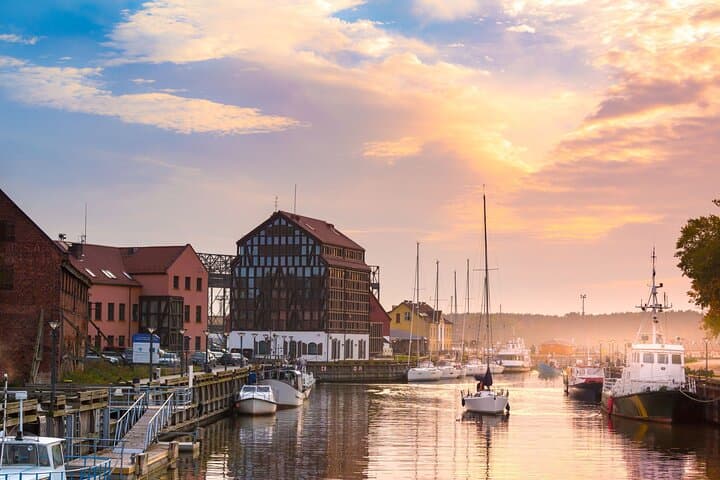
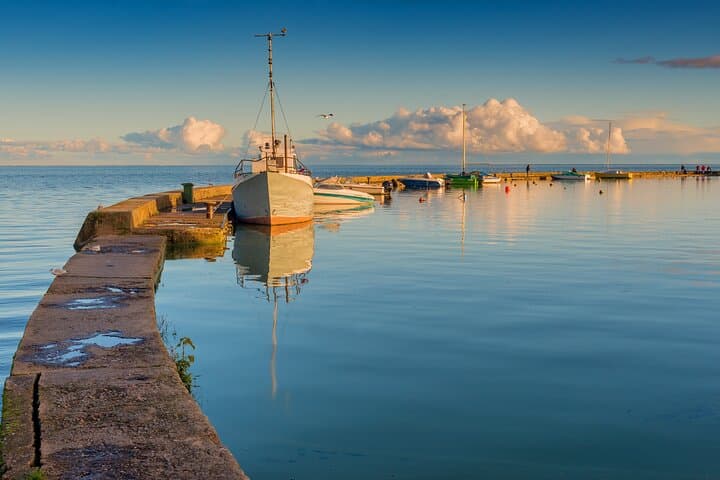
You step off the cruise gangway into a brisk Baltic wind and the port of Klaipėda hums with ferry calls and seagull chatter. Within an hour you’re crossing the narrow channel; the Curonian Spit unfurls ahead — a thin ribbon of sand, wind-sculpted trees and dunes that rise like walls between the lagoon and open sea.
Verified experiences and guided adventures in the surrounding area.
Operated by Vexperio · Klaipėda, Klaipėda County
You step off the cruise gangway into a brisk Baltic wind and the port of Klaipėda hums with ferry calls and seagull chatter. Within an hour you’re crossing the narrow channel; the Curonian Spit unfurls ahead — a thin ribbon of sand, wind-sculpted trees and dunes that rise like walls between the lagoon and open sea.
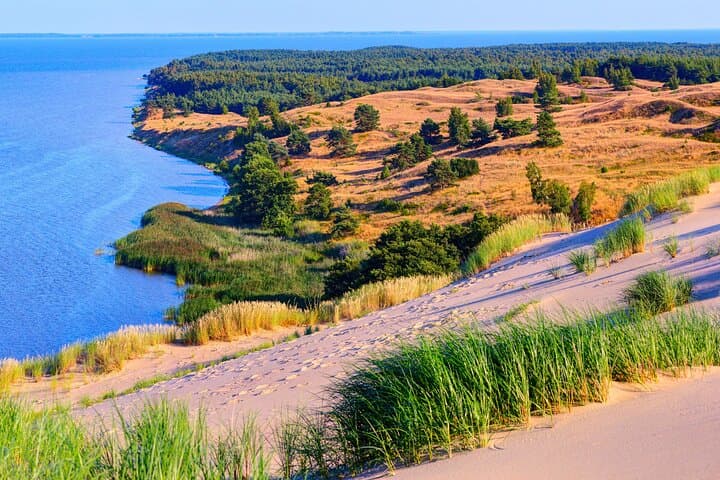
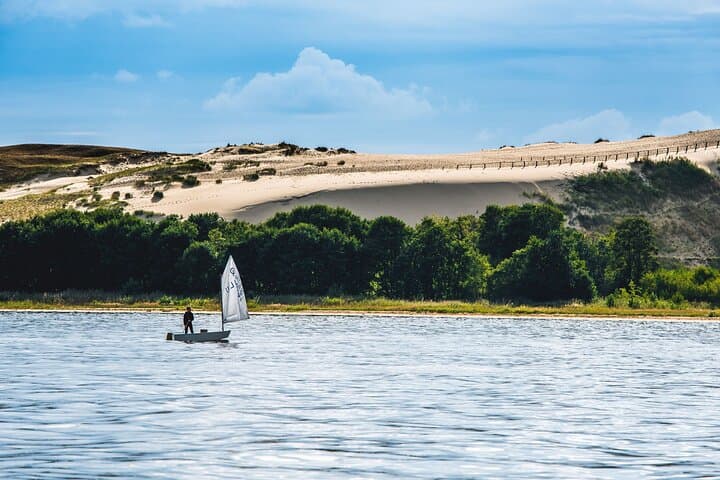
The spit stretches roughly 98 km and was inscribed as a UNESCO World Heritage Site in 2000 for its unusual geomorphology and cultural landscape. Centuries of shifting sands shaped villages where German, Lithuanian and Baltic fishing traditions meet modern resort life. In Juodkrantė you’ll encounter the Hill of Witches, wooden carvings rooted in folklore, and in Nida the dunes reach 50–60 m, offering raw, open views and the Thomas Mann summer house museum.
Expect a mix of paved roads, boardwalks and loose sand underfoot; the tour typically includes a roundtrip ferry, air-conditioned transport and guided stops in Juodkrantė and Nida, with time for a museum, lunch or a beach walk. Nature here has agency: winds rearrange the shoreline, and the dancing trees lean into prevailing gusts.
Practical edge — bring layered clothing, sturdy shoes that can handle sand, sun protection and a refillable water bottle. The tour includes an ecology fee; follow marked paths to protect fragile dunes. Cruise guests should carry passports or ship ID and allow time for ferry boarding. With 7–8 hours on the schedule, plan on moderate walking and some unpaved terrain, but also long, clear views that reward the effort.
moderate.
7–8 hours.
Expect several short hikes and walking on loose sand; a moderate fitness level with basic stamina is recommended.
Yes—bring your passport or the cruise line ID used for shore excursions; port staff and ferries may request identification.
The tour typically includes the ecology fee and transport; specific museum admissions (like Thomas Mann’s house) are often not included—check confirmation details.
This excursion stays on the Lithuanian side of the Curonian Spit; no border crossing into Kaliningrad is required for standard itineraries.
Expect moderate walking on loose sand and boardwalks; some dunes require short climbs of uneven terrain, so stable footwear is recommended.
The Curonian Spit’s shifting dunes and fishing settlements reflect centuries of human adaptation; Nida’s Thomas Mann house marks the area’s 20th-century literary ties.
Dune ecosystems are fragile—stay on marked trails, respect restricted areas and support the ecology fee that funds preservation efforts.
Vexperio operates guided outdoor trips and adventures with an emphasis on safety, stewardship, and memorable experiences.
You step off the cruise gangway into a brisk Baltic wind and the port of Klaipėda hums with ferry calls and seagull chatter. Within an hour you’re crossing the narrow channel; the Curonian Spit unfurls ahead — a thin ribbon of sand, wind-sculpted trees and dunes that rise like walls between the lagoon and open sea.
You step off the cruise gangway into a brisk Baltic wind and the port of Klaipėda hums with ferry calls and seagull chatter. Within an hour you’re crossing the narrow channel; the Curonian Spit unfurls ahead — a thin ribbon of sand, wind-sculpted trees and dunes that rise like walls between the lagoon and open sea.
The spit stretches roughly 98 km and was inscribed as a UNESCO World Heritage Site in 2000 for its unusual geomorphology and cultural landscape. Centuries of shifting sands shaped villages where German, Lithuanian and Baltic fishing traditions meet modern resort life. In Juodkrantė you’ll encounter the Hill of Witches, wooden carvings rooted in folklore, and in Nida the dunes reach 50–60 m, offering raw, open views and the Thomas Mann summer house museum.
Expect a mix of paved roads, boardwalks and loose sand underfoot; the tour typically includes a roundtrip ferry, air-conditioned transport and guided stops in Juodkrantė and Nida, with time for a museum, lunch or a beach walk. Nature here has agency: winds rearrange the shoreline, and the dancing trees lean into prevailing gusts.
Practical edge — bring layered clothing, sturdy shoes that can handle sand, sun protection and a refillable water bottle. The tour includes an ecology fee; follow marked paths to protect fragile dunes. Cruise guests should carry passports or ship ID and allow time for ferry boarding. With 7–8 hours on the schedule, plan on moderate walking and some unpaved terrain, but also long, clear views that reward the effort.