THE ADVENTURE COLLECTIVE® · Independent discovery and booking for outdoor travel

Walk from Klaipėda’s cruise terminal into Palanga’s botanical gardens, stroll the Baltic pier, and descend into Klaipėda Castle’s tunnels. This 3–4 hour shore excursion packs coastal scenery, amber lore, and medieval port history into an easy, well-paced day ashore.
Walk from Klaipėda’s cruise terminal into Palanga’s botanical gardens, stroll the Baltic pier, and descend into Klaipėda Castle’s tunnels. This 3–4 hour shore excursion packs coastal scenery, amber lore, and medieval port history into an easy, well-paced day ashore.
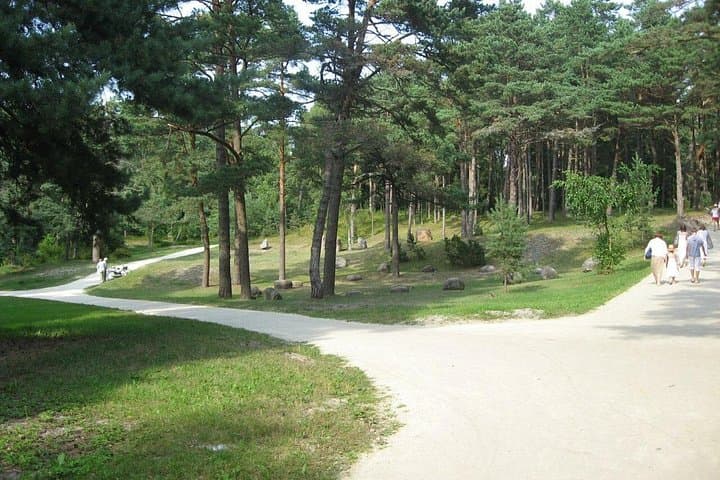
You step off the gangway into crisp Baltic air and a guide waiting just outside Klaipėda Cruise Terminal, the river and harbor moving like a low, constant conversation. Within minutes you’re on a quiet coastal road toward Palanga, where tree-lined avenues open into Palangos Miesto Botanikos Parkas and the scent of resin and salt rides the wind.
Verified experiences and guided adventures in the surrounding area.
Operated by 5Luso.com · Klaipėda, Klaipėda County
You step off the gangway into crisp Baltic air and a guide waiting just outside Klaipėda Cruise Terminal, the river and harbor moving like a low, constant conversation. Within minutes you’re on a quiet coastal road toward Palanga, where tree-lined avenues open into Palangos Miesto Botanikos Parkas and the scent of resin and salt rides the wind.
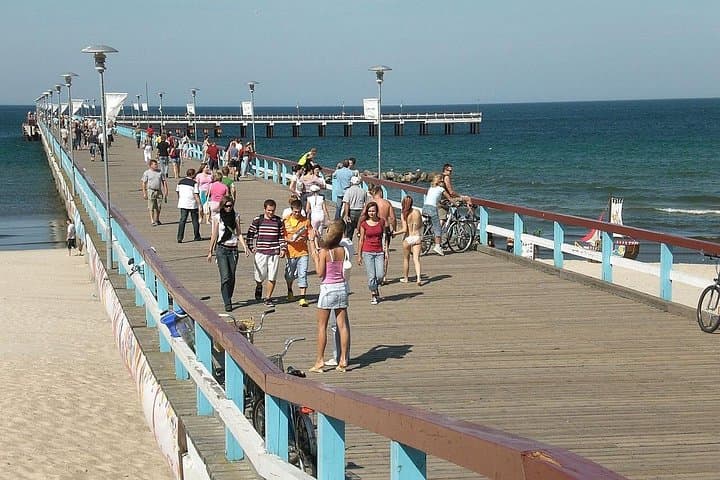
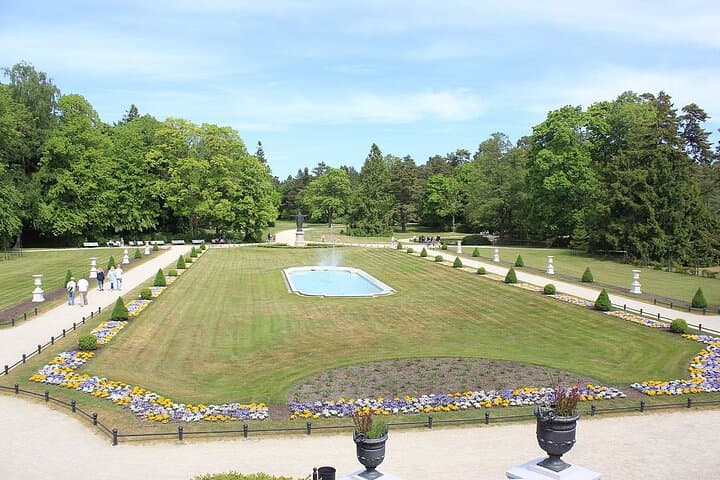
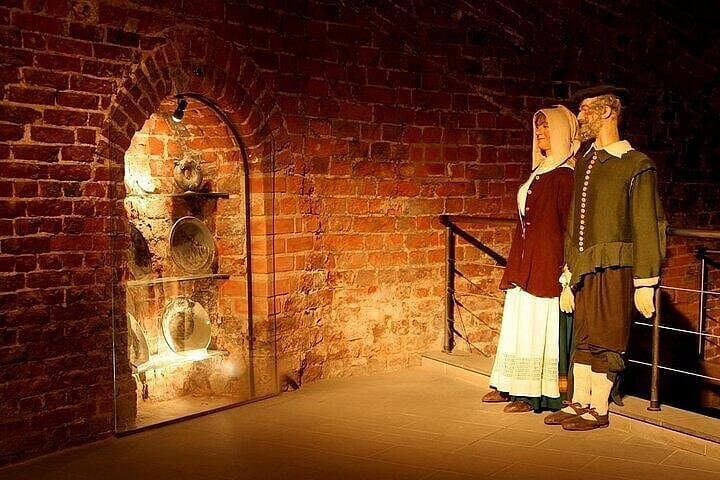
The park itself dates to the 19th century and was designed by French landscape architect Édouard André; its avenues, sculpted lawns, and the Amber Museum tell the story of Palanga’s rise as a seaside resort. From there the walk to Palanga Pier shifts the tempo—boardwalk, sea breeze, and a long view of the Baltic pushing and pulling at the horizon. Back in Klaipėda, the 13th-century Teutonic Knights’ castle and its restored tunnels reveal the city’s medieval role as a fortified trading port where the Danė River meets the Curonian Lagoon.
Culturally, this route stitches seaside leisure with port-city grit: cafés on Basanavičiaus Street, public squares named for Lithuania’s rebirth, and small museums that keep local crafts and amber lore alive. Practically, expect 3–4 hours ashore with moderate walking on paved paths and some cobbled sections; comfortable shoes, a light rain layer, and time buffers for cruise schedules are sensible. Guides manage transfers and luggage; communicate ship times and mobility needs in advance. This day trip condenses coastal geology, maritime history, and living Lithuanian city life into a compact, walkable loop ideal for first-time visitors from port calls.
easy.
3–4 hours.
Suitable for travelers with basic mobility who can walk short distances on mixed surfaces; minimal elevation change.
The tour runs about 3–4 hours and is scheduled to return well before typical cruise departure times; provide your ship’s arrival and departure details so the operator can ensure timely return.
The tour inclusions specify bottled water, transport, guide services, and taxes; museum admissions and meals are generally not included—confirm with the operator when booking.
Lithuania is in the Schengen Area; visa requirements depend on your nationality—check Schengen entry rules well before travel and carry travel documents on shore.
The tour is rated easy but includes uneven surfaces (cobbles, pier boardwalks, castle tunnels). Contact the operator ahead to discuss specific mobility accommodations.
Klaipėda grew as a fortified Hanseatic-era port guarded by a Teutonic Knights’ castle; Palanga developed as a 19th-century seaside resort, its botanical park designed by Édouard André.
Coastal dunes and the Curonian Spit are ecologically sensitive—stay on paths, avoid collecting amber or disturbing vegetation, and follow local signage to protect habitats.
5Luso.com operates guided outdoor trips and adventures with an emphasis on safety, stewardship, and memorable experiences.
You step off the gangway into crisp Baltic air and a guide waiting just outside Klaipėda Cruise Terminal, the river and harbor moving like a low, constant conversation. Within minutes you’re on a quiet coastal road toward Palanga, where tree-lined avenues open into Palangos Miesto Botanikos Parkas and the scent of resin and salt rides the wind.
You step off the gangway into crisp Baltic air and a guide waiting just outside Klaipėda Cruise Terminal, the river and harbor moving like a low, constant conversation. Within minutes you’re on a quiet coastal road toward Palanga, where tree-lined avenues open into Palangos Miesto Botanikos Parkas and the scent of resin and salt rides the wind.
The park itself dates to the 19th century and was designed by French landscape architect Édouard André; its avenues, sculpted lawns, and the Amber Museum tell the story of Palanga’s rise as a seaside resort. From there the walk to Palanga Pier shifts the tempo—boardwalk, sea breeze, and a long view of the Baltic pushing and pulling at the horizon. Back in Klaipėda, the 13th-century Teutonic Knights’ castle and its restored tunnels reveal the city’s medieval role as a fortified trading port where the Danė River meets the Curonian Lagoon.
Culturally, this route stitches seaside leisure with port-city grit: cafés on Basanavičiaus Street, public squares named for Lithuania’s rebirth, and small museums that keep local crafts and amber lore alive. Practically, expect 3–4 hours ashore with moderate walking on paved paths and some cobbled sections; comfortable shoes, a light rain layer, and time buffers for cruise schedules are sensible. Guides manage transfers and luggage; communicate ship times and mobility needs in advance. This day trip condenses coastal geology, maritime history, and living Lithuanian city life into a compact, walkable loop ideal for first-time visitors from port calls.