THE ADVENTURE COLLECTIVE® · Independent discovery and booking for outdoor travel

Spend a full day walking Kyoto’s top cultural sites: the hillside views from Kiyomizu-dera, the red torii tunnels of Fushimi Inari, and the free-roaming deer and Great Buddha at Nara Park. This accessible tour blends short hikes with rich history and easy logistics.
Spend a full day walking Kyoto’s top cultural sites: the hillside views from Kiyomizu-dera, the red torii tunnels of Fushimi Inari, and the free-roaming deer and Great Buddha at Nara Park. This accessible tour blends short hikes with rich history and easy logistics.
You step off the bus onto a narrow lane that smells faintly of incense and grilled rice—wooden roofs rise above stone streets while the city opens into green hills. At Kiyomizu-dera the main hall’s wooden terrace juts from the hillside, a simple platform that lets the valley air and season-colored trees press close. Later, a river of vermilion torii gates at Fushimi Inari funnels walkers into a forest where fox statues peer from shaded alcoves. The day finishes in Nara Park, where calm deer weave between visitors and the Great Buddha fills the high, echoing hall of Tōdai-ji.
Verified experiences and guided adventures in the surrounding area.
Operated by TREVOPEDIA · Kyoto, Kyoto Prefecture
You step off the bus onto a narrow lane that smells faintly of incense and grilled rice—wooden roofs rise above stone streets while the city opens into green hills. At Kiyomizu-dera the main hall’s wooden terrace juts from the hillside, a simple platform that lets the valley air and season-colored trees press close. Later, a river of vermilion torii gates at Fushimi Inari funnels walkers into a forest where fox statues peer from shaded alcoves. The day finishes in Nara Park, where calm deer weave between visitors and the Great Buddha fills the high, echoing hall of Tōdai-ji.
Kiyomizu-dera dates to the 8th century and its Otowa spring lends the temple its name—"pure water." Fushimi Inari’s gate-lined trails crown Mount Inari (about 233 m), a devotional route developed over centuries to honor Inari, the deity of rice and prosperity. Nara was Japan’s first permanent capital (710–794 CE), and Tōdai-ji houses one of the largest bronze Buddha statues in the world.
Expect a full 9–10 hour day with several moderate walks: uneven stone steps at Kiyomizu, a network of stone and packed-earth paths through Fushimi Inari (some steep), and mostly flat strolling in Nara Park. Carry cash for small shrine offerings and deer crackers, wear sturdy shoes for slippery steps, and bring water—summer humidity can sap energy quickly. Start early where possible to avoid peak crowds at the temples, and leave room in your schedule for slow, observational moments: a lantern-lit gate, a bow at a shrine, a deer’s quiet insistence. This tour balances iconic cultural sites with gentle outdoor movement—ideal for travelers who want cultural depth without intense hiking.
moderate.
9–10 hours.
Light to moderate fitness for standing, short uphill walks, and uneven surfaces; suitable for most active travelers.
Most shrine and park visits are included in the route but individual temple donations or special exhibition fees are not typically covered.
The itinerary lists wheelchair-accessible transportation, but temple grounds and trails include steps and uneven surfaces that may limit access at some stops.
Yes—deer crackers (shika senbei) are sold in the park; feed calmly and avoid teasing or holding food near your face.
The tour includes allotted time at each site (roughly 40–90 minutes) but is structured; free time is limited by the full-day schedule.
Kiyomizu-dera originated in 778; Nara was Japan’s capital in the 8th century and Tōdai-ji reflects that era’s imperial patronage.
Respect signage and stay on paths to protect temple vegetation; only feed deer park-approved crackers and pack out any trash to protect wildlife.
TREVOPEDIA operates guided outdoor trips and adventures with an emphasis on safety, stewardship, and memorable experiences.
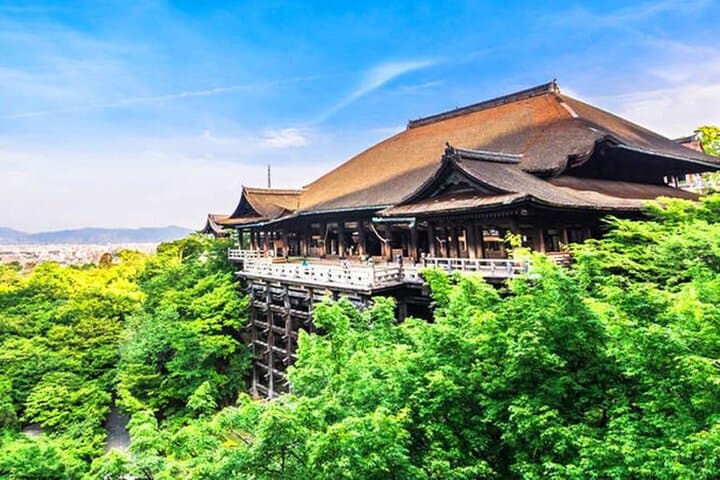
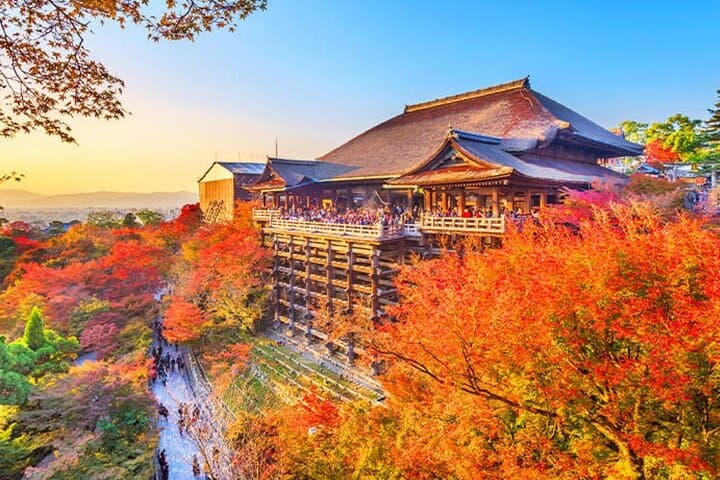
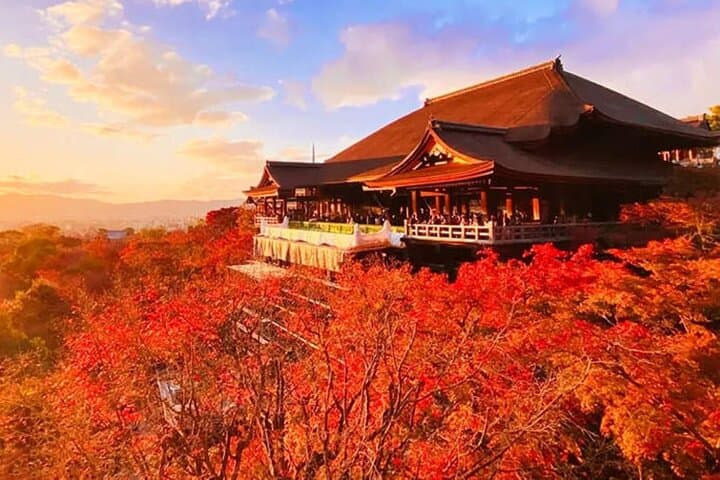
You step off the bus onto a narrow lane that smells faintly of incense and grilled rice—wooden roofs rise above stone streets while the city opens into green hills. At Kiyomizu-dera the main hall’s wooden terrace juts from the hillside, a simple platform that lets the valley air and season-colored trees press close. Later, a river of vermilion torii gates at Fushimi Inari funnels walkers into a forest where fox statues peer from shaded alcoves. The day finishes in Nara Park, where calm deer weave between visitors and the Great Buddha fills the high, echoing hall of Tōdai-ji.
You step off the bus onto a narrow lane that smells faintly of incense and grilled rice—wooden roofs rise above stone streets while the city opens into green hills. At Kiyomizu-dera the main hall’s wooden terrace juts from the hillside, a simple platform that lets the valley air and season-colored trees press close. Later, a river of vermilion torii gates at Fushimi Inari funnels walkers into a forest where fox statues peer from shaded alcoves. The day finishes in Nara Park, where calm deer weave between visitors and the Great Buddha fills the high, echoing hall of Tōdai-ji.
Kiyomizu-dera dates to the 8th century and its Otowa spring lends the temple its name—"pure water." Fushimi Inari’s gate-lined trails crown Mount Inari (about 233 m), a devotional route developed over centuries to honor Inari, the deity of rice and prosperity. Nara was Japan’s first permanent capital (710–794 CE), and Tōdai-ji houses one of the largest bronze Buddha statues in the world.
Expect a full 9–10 hour day with several moderate walks: uneven stone steps at Kiyomizu, a network of stone and packed-earth paths through Fushimi Inari (some steep), and mostly flat strolling in Nara Park. Carry cash for small shrine offerings and deer crackers, wear sturdy shoes for slippery steps, and bring water—summer humidity can sap energy quickly. Start early where possible to avoid peak crowds at the temples, and leave room in your schedule for slow, observational moments: a lantern-lit gate, a bow at a shrine, a deer’s quiet insistence. This tour balances iconic cultural sites with gentle outdoor movement—ideal for travelers who want cultural depth without intense hiking.