THE ADVENTURE COLLECTIVE® · Independent discovery and booking for outdoor travel

Explore fissured coral caves and a rare high coral rag forest on a half-day tour north of Zanzibar’s resorts. Expect intimate caverns, ancestral sites, and chances to spot the Zanzibar red colobus in Kiwengwa–Pongwe Forest Reserve.
Explore fissured coral caves and a rare high coral rag forest on a half-day tour north of Zanzibar’s resorts. Expect intimate caverns, ancestral sites, and chances to spot the Zanzibar red colobus in Kiwengwa–Pongwe Forest Reserve.
Sunlight threads through natural skylights and lands on jagged coral stone as you crouch into the mouth of Kiwengwa Caves. The air cools; water has etched columns and curtains out of fossilized reef, and roots dive from above like living wire. Walkways are short but intimate—this is close-up spelunking without ropes, a place where the island’s slow geology and human ritual meet.
Verified experiences and guided adventures in the surrounding area.
Operated by Pongwe Tour & Safari · Kiwengwa, Zanzibar
Sunlight threads through natural skylights and lands on jagged coral stone as you crouch into the mouth of Kiwengwa Caves. The air cools; water has etched columns and curtains out of fossilized reef, and roots dive from above like living wire. Walkways are short but intimate—this is close-up spelunking without ropes, a place where the island’s slow geology and human ritual meet.
Locally these caverns held cultural weight: ancestors were honored here, offerings left on marked stones. Geologically the caves are carved from coral rag—calcified reef uplifted and dissolved by rainwater over millennia—so stalactites and stalagmites feel like coral grown upside-down. After the hollow, a guide leads into Kiwengwa–Pongwe Forest Reserve, the northern remnant of high coral rag forest where Zanzibar’s endemic red colobus and small antelope slip between trunks and 47 recorded bird species wheel overhead.
Practicalities: tours are short (about four hours including transfer), require a flashlight and steady footing, and are accessible to most visitors. Wear closed-toe shoes for damp rock, bring water, and expect uneven rock and low ceilings in places. Photography is rewarding but keep a respectful distance from sacred stones and wildlife; guided groups often include local interpretation and light cultural context.
Timing matters—visit during the dry window for easier forest paths. Respect the reserve by staying on trails, avoiding loud noises that disturb primates, and leaving no trace. The experience pairs natural history with living culture: the caves invite curiosity, the forest answers with birdsong and shy mammals.
easy.
4 hours.
Suitable for most fitness levels; requires ability to walk on uneven ground and crouch through low-ceiling passages.
The full excursion is about four hours including transfer time; time inside the caves and reserve is typically 60–90 minutes each, depending on the guide.
Yes—paths are short and the tour is rated easy, but some crawling or crouching and uneven ground can be challenging for those with limited mobility.
Photography is generally allowed, but you should ask your guide before photographing offerings or sacred stones out of respect for local customs.
Common sightings include the Zanzibar red colobus, small antelope like suni or duikers, and a variety of forest birds and butterflies; sightings are not guaranteed.
Locals historically used the caves for ancestral worship and left offerings on certain stones; the area reflects a blend of spiritual practice and island geology.
The coral rag forest near Kiwengwa is a rare remnant ecosystem; visitors are encouraged to stay on trails and avoid disturbing roots and wildlife to help protect this fragile habitat.
Pongwe Tour & Safari operates guided outdoor trips and adventures with an emphasis on safety, stewardship, and memorable experiences.
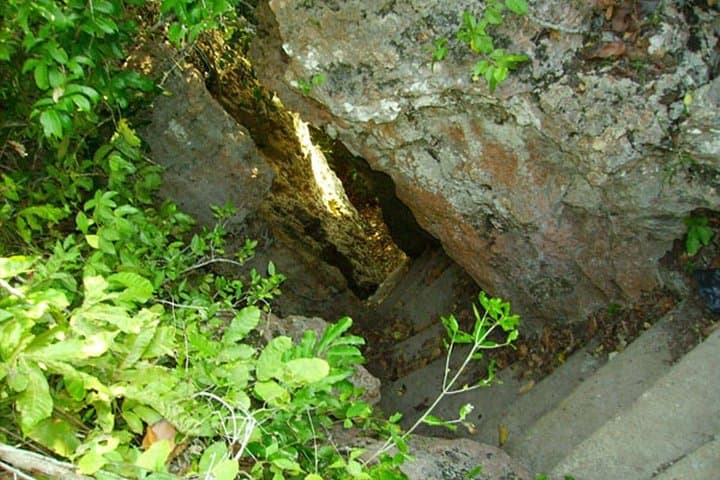
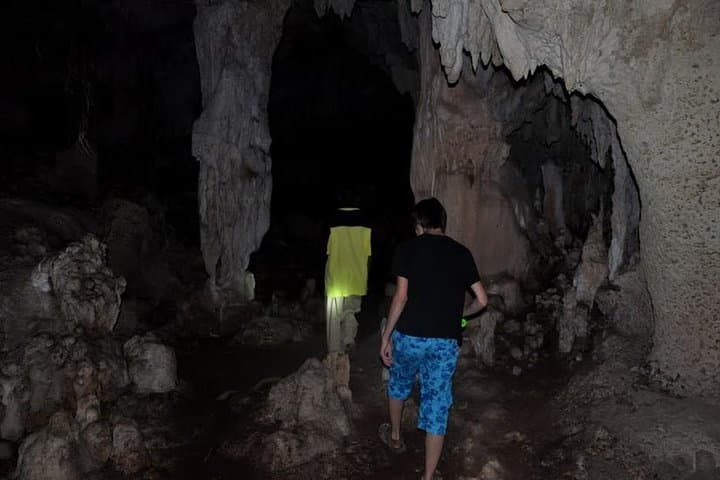
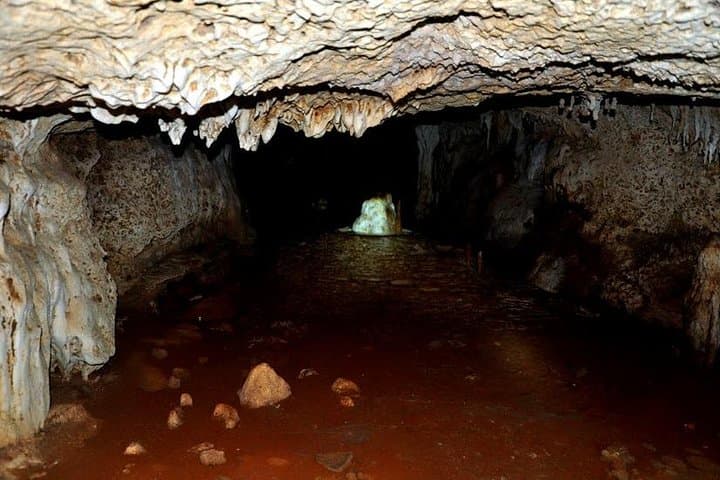
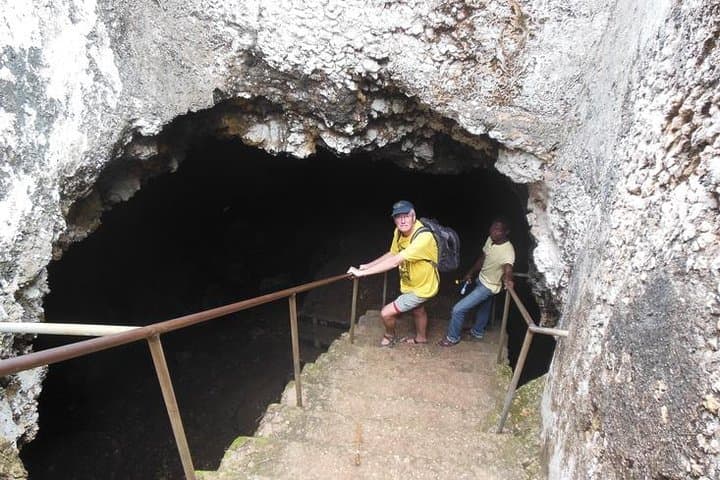
Sunlight threads through natural skylights and lands on jagged coral stone as you crouch into the mouth of Kiwengwa Caves. The air cools; water has etched columns and curtains out of fossilized reef, and roots dive from above like living wire. Walkways are short but intimate—this is close-up spelunking without ropes, a place where the island’s slow geology and human ritual meet.
Sunlight threads through natural skylights and lands on jagged coral stone as you crouch into the mouth of Kiwengwa Caves. The air cools; water has etched columns and curtains out of fossilized reef, and roots dive from above like living wire. Walkways are short but intimate—this is close-up spelunking without ropes, a place where the island’s slow geology and human ritual meet.
Locally these caverns held cultural weight: ancestors were honored here, offerings left on marked stones. Geologically the caves are carved from coral rag—calcified reef uplifted and dissolved by rainwater over millennia—so stalactites and stalagmites feel like coral grown upside-down. After the hollow, a guide leads into Kiwengwa–Pongwe Forest Reserve, the northern remnant of high coral rag forest where Zanzibar’s endemic red colobus and small antelope slip between trunks and 47 recorded bird species wheel overhead.
Practicalities: tours are short (about four hours including transfer), require a flashlight and steady footing, and are accessible to most visitors. Wear closed-toe shoes for damp rock, bring water, and expect uneven rock and low ceilings in places. Photography is rewarding but keep a respectful distance from sacred stones and wildlife; guided groups often include local interpretation and light cultural context.
Timing matters—visit during the dry window for easier forest paths. Respect the reserve by staying on trails, avoiding loud noises that disturb primates, and leaving no trace. The experience pairs natural history with living culture: the caves invite curiosity, the forest answers with birdsong and shy mammals.