THE ADVENTURE COLLECTIVE® · Independent discovery and booking for outdoor travel

Learn to kiteboard on Punta Chame’s flatwater lagoon where steady trade winds, one-on-one instruction and radio coaching make fast progress possible. This practical two-hour lesson focuses on safety, kite control and water starts—ideal for first-timers aiming to become independent riders.
Learn to kiteboard on Punta Chame’s flatwater lagoon where steady trade winds, one-on-one instruction and radio coaching make fast progress possible. This practical two-hour lesson focuses on safety, kite control and water starts—ideal for first-timers aiming to become independent riders.
A shallow lagoon opens like a calm eye along seven kilometers of sand; wind tugs at the kite as instructors watch from the beach, radio headsets keeping you connected to guidance and progress. In Punta Chame the trade winds are steady—especially from December through May—so the kite leans into the breeze and the water dares you to take the first glide.
Verified experiences and guided adventures in the surrounding area.
Operated by Panama Kite Center · Punta Chame, Panamá Province
A shallow lagoon opens like a calm eye along seven kilometers of sand; wind tugs at the kite as instructors watch from the beach, radio headsets keeping you connected to guidance and progress. In Punta Chame the trade winds are steady—especially from December through May—so the kite leans into the breeze and the water dares you to take the first glide.
The village itself grew from a fishing and coconut economy; the long barrier beach and shallow lagoon are a product of Pacific currents and sediment flows that created an unusually flat schooling area for kitesurfers. Locals balance small-scale fishing with a growing surf-and-kite culture, and the informal beach club scene is as much about communal watching as it is about riding.
Geology here is plain—broad tidal flats, mangrove-fringed channels, and a shallow continental shelf that keeps swells low. Expect shorebirds and occasional estuarine life; paddlers and birders often share the early-morning hours with students.
Practically: lessons run in focused two-hour blocks with one-on-one instruction, starting with wind theory and kite setup, then safety, bodydrags and standing rides. Radios in helmets speed learning. Bring sun protection, a basic level of swimming comfort, and lightweight layers for cooler mornings. Sessions are best in the morning when winds are consistent and crowds are thin. If you plan to progress beyond the first ride, budget for multiple lessons—many students need 8–10 hours to become independent.
Respect local ecology—avoid walking on seagrass beds, use reef-safe sunscreen, and check conditions with instructors before launching.
moderate.
2 hours.
Suitable for people with basic fitness and comfort in the water; light swimming ability recommended.
No—this center teaches beginners one-on-one, starting with kite theory, safety and bodydrags before progressing to standing and riding.
Instructors collect age and weight to match equipment; most programs accept teenagers and adults, but very light or very heavy weights may require special gear—check when booking.
Lessons are rescheduled or refunded if conditions are unsafe; instructors choose launch times to match suitable wind windows—cancel at least 24 hours for a full refund per policy.
Many students need 8–10 hours spread over multiple sessions to kite independently; focused 2-hour blocks have proven efficient.
Punta Chame developed as a small fishing and coconut community; tourism and kitesurfing grew with the recognition of its steady trade winds and long flat beach.
The lagoon and nearby mangroves are sensitive—stick to marked launch areas, avoid trampling seagrass, and use reef-safe products to reduce impact.
Panama Kite Center operates guided outdoor trips and adventures with an emphasis on safety, stewardship, and memorable experiences.
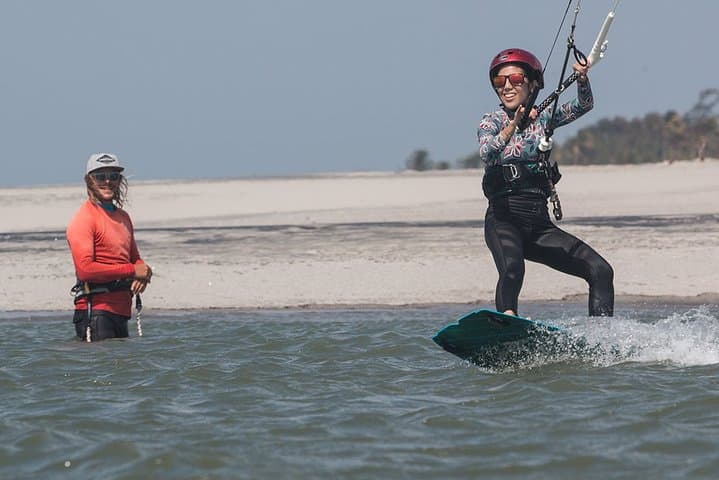
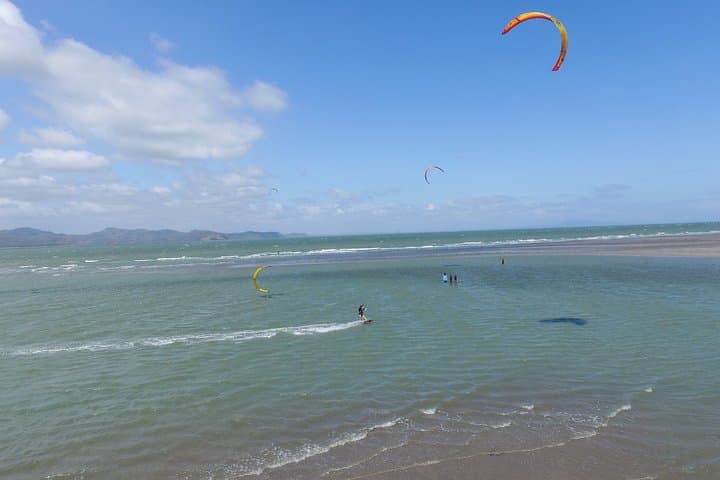
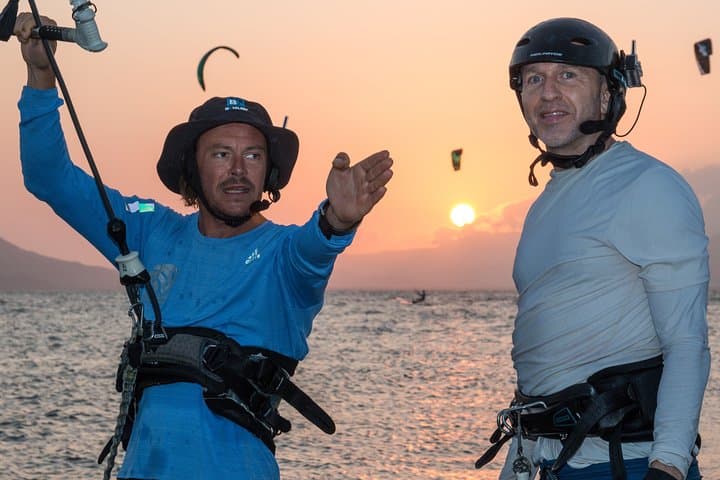
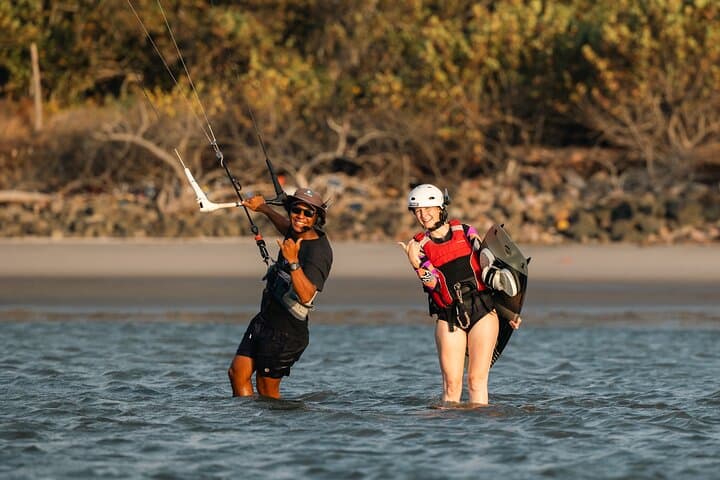
A shallow lagoon opens like a calm eye along seven kilometers of sand; wind tugs at the kite as instructors watch from the beach, radio headsets keeping you connected to guidance and progress. In Punta Chame the trade winds are steady—especially from December through May—so the kite leans into the breeze and the water dares you to take the first glide.
A shallow lagoon opens like a calm eye along seven kilometers of sand; wind tugs at the kite as instructors watch from the beach, radio headsets keeping you connected to guidance and progress. In Punta Chame the trade winds are steady—especially from December through May—so the kite leans into the breeze and the water dares you to take the first glide.
The village itself grew from a fishing and coconut economy; the long barrier beach and shallow lagoon are a product of Pacific currents and sediment flows that created an unusually flat schooling area for kitesurfers. Locals balance small-scale fishing with a growing surf-and-kite culture, and the informal beach club scene is as much about communal watching as it is about riding.
Geology here is plain—broad tidal flats, mangrove-fringed channels, and a shallow continental shelf that keeps swells low. Expect shorebirds and occasional estuarine life; paddlers and birders often share the early-morning hours with students.
Practically: lessons run in focused two-hour blocks with one-on-one instruction, starting with wind theory and kite setup, then safety, bodydrags and standing rides. Radios in helmets speed learning. Bring sun protection, a basic level of swimming comfort, and lightweight layers for cooler mornings. Sessions are best in the morning when winds are consistent and crowds are thin. If you plan to progress beyond the first ride, budget for multiple lessons—many students need 8–10 hours to become independent.
Respect local ecology—avoid walking on seagrass beds, use reef-safe sunscreen, and check conditions with instructors before launching.