THE ADVENTURE COLLECTIVE® · Independent discovery and booking for outdoor travel

Learn to kiteboard across three focused days on Punta Cana’s shallow, wind-steady beaches. Small groups, professional instructors, and progressive drills move you from trainer kites to your first waterstarts.
Learn to kiteboard across three focused days on Punta Cana’s shallow, wind-steady beaches. Small groups, professional instructors, and progressive drills move you from trainer kites to your first waterstarts.
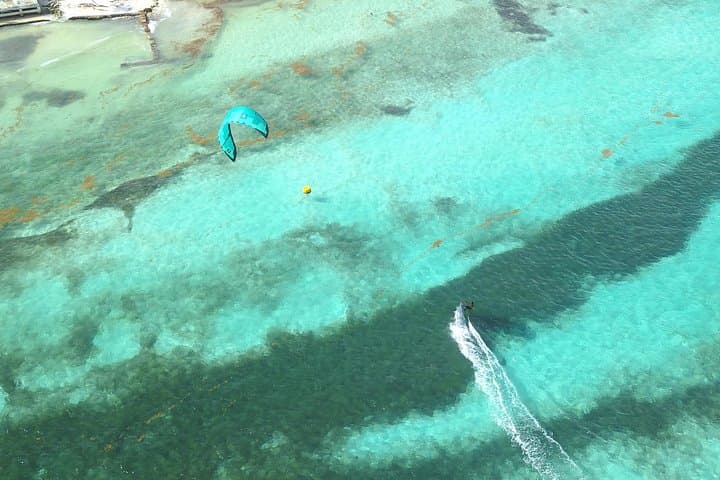
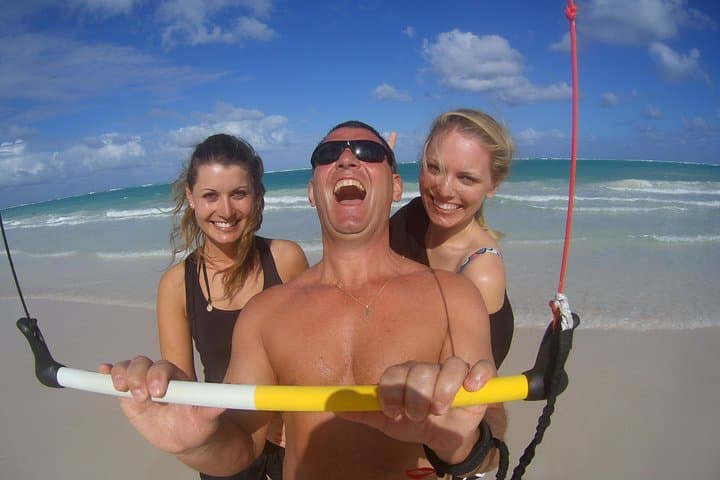
The salt sharpens as you step off white sand and into the steady push of trade wind — Punta Cana’s shoreline feels like a classroom where wind and water teach by insistence. On a 3-day beginner course, students move from a trainer kite on the beach to full-size kites in waist-deep water, each session building control, safety, and confidence until a first waterstart is finally earned.
Verified experiences and guided adventures in the surrounding area.
Operated by Kiteology DR · Punta Cana, La Altagracia
The salt sharpens as you step off white sand and into the steady push of trade wind — Punta Cana’s shoreline feels like a classroom where wind and water teach by insistence. On a 3-day beginner course, students move from a trainer kite on the beach to full-size kites in waist-deep water, each session building control, safety, and confidence until a first waterstart is finally earned.
This stretch of eastern Hispaniola sits on coral-rich shelf and sandy flats shaped by Pleistocene limestone; those shallow banks create forgiving wind windows and predictable gusts that make learning efficient. Culturally, Punta Cana’s beach towns grew quickly after the 1970s resort boom, blending local fishing villages with international tourism — you’ll often see small artisanal boats and vendors near launch sites.
In practical terms, expect structured lessons: wind theory and safety on day one, body-dragging and water relaunches on day two, and upwind bodydrags leading to waterstarts on day three. Groups are small (max four), and instructors supply helmets and gear; bring a basic level of swimming comfort.
Plan lessons during morning or late afternoon when thermals are steadier and beaches are less crowded. Hydrate, apply reef-safe sunscreen, and wear a snug rash guard or shorty for sun and board contact. Respect local nesting beaches and reef zones — instructors typically brief on environmental etiquette.
By the final session, the kite’s pull feels less like a force and more like a partner that will either wait for your mistake or reward your timing, and that is the exact point of these lessons: controlled momentum turned into motion across water.
moderate.
3 days (approx. 72 hours total of scheduled instruction).
Moderate: you should be comfortable swimming, have reasonable upper-body stamina for handling a trainer kite, and be able to stand and move in shallow surf repeatedly.
No—these are structured for beginners; instructors start with ground-based kite control and progress to water skills over three days.
Lessons typically include professional instruction, helmet use, and shared-use kites and boards; confirm specifics with the operator before booking.
Group sizes are small (up to four students), allowing individualized feedback and more water time per student.
Full refund is available if you cancel at least 24 hours before departure; operators may cancel for unsafe wind or sea conditions and offer rescheduling or refund.
The area around Punta Cana transformed rapidly after resort development in the late 20th century; older fishing communities still operate alongside tourist beaches.
Operators encourage reef-safe sunscreen, avoid launching over coral heads, and follow local guidelines to protect nesting turtles and nearshore ecosystems.
Kiteology DR operates guided outdoor trips and adventures with an emphasis on safety, stewardship, and memorable experiences.
The salt sharpens as you step off white sand and into the steady push of trade wind — Punta Cana’s shoreline feels like a classroom where wind and water teach by insistence. On a 3-day beginner course, students move from a trainer kite on the beach to full-size kites in waist-deep water, each session building control, safety, and confidence until a first waterstart is finally earned.
The salt sharpens as you step off white sand and into the steady push of trade wind — Punta Cana’s shoreline feels like a classroom where wind and water teach by insistence. On a 3-day beginner course, students move from a trainer kite on the beach to full-size kites in waist-deep water, each session building control, safety, and confidence until a first waterstart is finally earned.
This stretch of eastern Hispaniola sits on coral-rich shelf and sandy flats shaped by Pleistocene limestone; those shallow banks create forgiving wind windows and predictable gusts that make learning efficient. Culturally, Punta Cana’s beach towns grew quickly after the 1970s resort boom, blending local fishing villages with international tourism — you’ll often see small artisanal boats and vendors near launch sites.
In practical terms, expect structured lessons: wind theory and safety on day one, body-dragging and water relaunches on day two, and upwind bodydrags leading to waterstarts on day three. Groups are small (max four), and instructors supply helmets and gear; bring a basic level of swimming comfort.
Plan lessons during morning or late afternoon when thermals are steadier and beaches are less crowded. Hydrate, apply reef-safe sunscreen, and wear a snug rash guard or shorty for sun and board contact. Respect local nesting beaches and reef zones — instructors typically brief on environmental etiquette.
By the final session, the kite’s pull feels less like a force and more like a partner that will either wait for your mistake or reward your timing, and that is the exact point of these lessons: controlled momentum turned into motion across water.