THE ADVENTURE COLLECTIVE® · Independent discovery and booking for outdoor travel

Learn kite control and safety from IKO-certified instructors on Aruba’s reliable trade winds. Lessons run at Fisherman’s Huts or Boca Grandi with full equipment and boat support for safe, progressive coaching.
Learn kite control and safety from IKO-certified instructors on Aruba’s reliable trade winds. Lessons run at Fisherman’s Huts or Boca Grandi with full equipment and boat support for safe, progressive coaching.
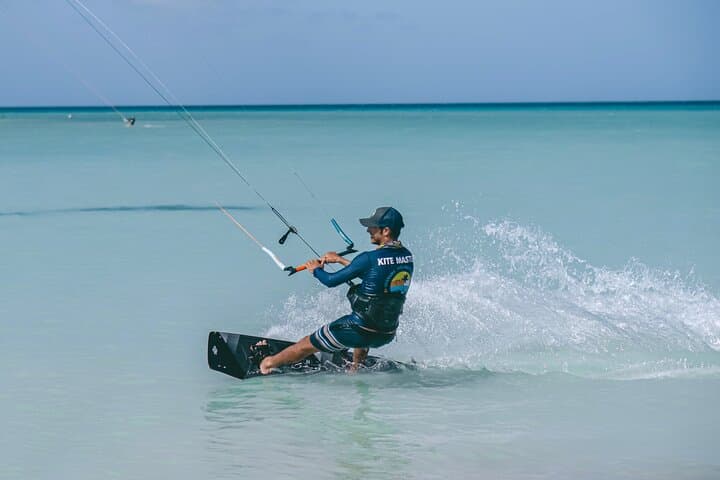
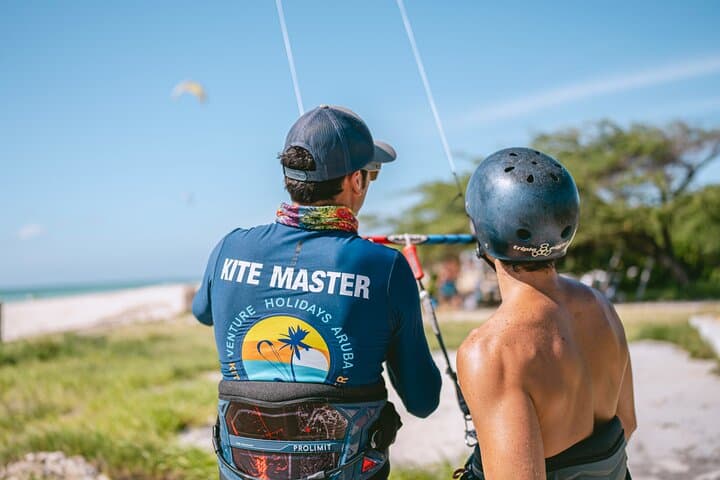
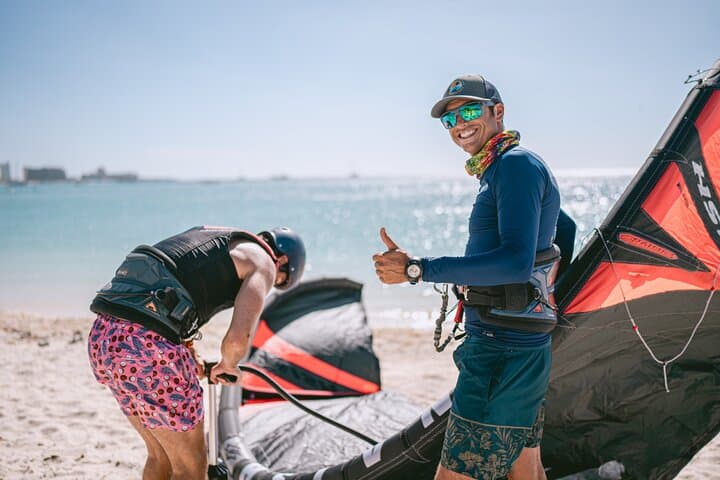
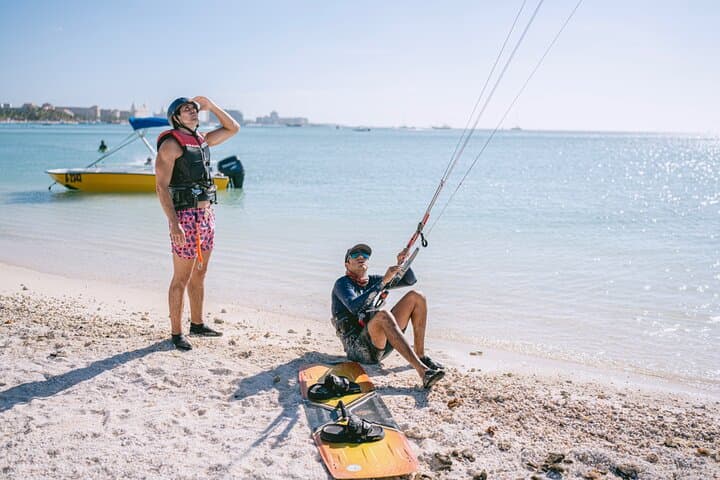
Wind tugs at your rash guard before you even see the water: low, steady trade winds pushing toward the shore, white foam marking the reef line, and instructors unpacking kites on a wide strip of sand. A two-hour IKO-certified lesson in Aruba stages you where the trade winds are most reliable — either the flat, protected paddles at Fisherman's Huts or the windward swell at Boca Grandi — giving beginners a clear progression from land drills to harnessed runs.
Verified experiences and guided adventures in the surrounding area.
Operated by Kiteboarding Aruba @ Venture Holidays · Oranjestad, Aruba
Wind tugs at your rash guard before you even see the water: low, steady trade winds pushing toward the shore, white foam marking the reef line, and instructors unpacking kites on a wide strip of sand. A two-hour IKO-certified lesson in Aruba stages you where the trade winds are most reliable — either the flat, protected paddles at Fisherman's Huts or the windward swell at Boca Grandi — giving beginners a clear progression from land drills to harnessed runs.
The island’s coastline reflects a history of fishing settlements and coral reef geology: limestone platforms and offshore reefs create predictable wind corridors and sheltered learning zones. Aruba’s Dutch-Caribbean culture means instructions are professional and direct, often bilingual; boat support is standard, and the IKO certification opens doors at centers worldwide.
Expect practical, incremental coaching: kite rigging, safety systems, body-dragging, and your first short rides if conditions allow. The terrain is shallow near shore with reef patches offshore, so instructors emphasize board placement and safe water exits. Sun, reflection off the sea, and steady wind demand sun protection and hydration as much as technique.
Plan for morning or late-afternoon slots to avoid thermal gusts, arrive with swimwear and light layers, and choose a private lesson if you want one-on-one progression. Certification requires completion of core skills; mastery takes repetition beyond a single session. Respect designated kite zones, reef habitat, and instructor guidance — the ocean here rewards careful practice.
moderate.
2 hours.
Suitable for most active people; comfortable swimming ability and basic core strength help.
No — lessons start with land-based kite control and progress in the water; instructors adapt to beginners and returning riders.
IKO certification verifies you’ve learned core safety, kite control, and basic riding skills accepted at IKO-affiliated centers worldwide.
A basic comfort in the water is required; instructors provide flotation and boat support, but non-swimmers should disclose this and consider private sessions.
Operators cancel in bad weather for safety; the tour’s policy states all sales final, and lessons may be rescheduled subject to operator discretion.
Aruba’s coastal spots grew from fishing camps and coral limestone formation; modern water sports coexist with long-standing local maritime traditions.
Stick to reef-safe sunscreen, avoid dragging boards over coral, and follow instructor rules to minimize impact on fragile nearshore ecosystems.
Kiteboarding Aruba @ Venture Holidays operates guided outdoor trips and adventures with an emphasis on safety, stewardship, and memorable experiences.
Wind tugs at your rash guard before you even see the water: low, steady trade winds pushing toward the shore, white foam marking the reef line, and instructors unpacking kites on a wide strip of sand. A two-hour IKO-certified lesson in Aruba stages you where the trade winds are most reliable — either the flat, protected paddles at Fisherman's Huts or the windward swell at Boca Grandi — giving beginners a clear progression from land drills to harnessed runs.
Wind tugs at your rash guard before you even see the water: low, steady trade winds pushing toward the shore, white foam marking the reef line, and instructors unpacking kites on a wide strip of sand. A two-hour IKO-certified lesson in Aruba stages you where the trade winds are most reliable — either the flat, protected paddles at Fisherman's Huts or the windward swell at Boca Grandi — giving beginners a clear progression from land drills to harnessed runs.
The island’s coastline reflects a history of fishing settlements and coral reef geology: limestone platforms and offshore reefs create predictable wind corridors and sheltered learning zones. Aruba’s Dutch-Caribbean culture means instructions are professional and direct, often bilingual; boat support is standard, and the IKO certification opens doors at centers worldwide.
Expect practical, incremental coaching: kite rigging, safety systems, body-dragging, and your first short rides if conditions allow. The terrain is shallow near shore with reef patches offshore, so instructors emphasize board placement and safe water exits. Sun, reflection off the sea, and steady wind demand sun protection and hydration as much as technique.
Plan for morning or late-afternoon slots to avoid thermal gusts, arrive with swimwear and light layers, and choose a private lesson if you want one-on-one progression. Certification requires completion of core skills; mastery takes repetition beyond a single session. Respect designated kite zones, reef habitat, and instructor guidance — the ocean here rewards careful practice.