THE ADVENTURE COLLECTIVE® · Independent discovery and booking for outdoor travel

Learn to kiteboard at Cabarete’s Kite Beach with one-hour lessons that start on land and move into shallow, protected water. Ideal for beginners, lessons cover safety, kite control, body-dragging and assisted water starts.
Learn to kiteboard at Cabarete’s Kite Beach with one-hour lessons that start on land and move into shallow, protected water. Ideal for beginners, lessons cover safety, kite control, body-dragging and assisted water starts.
The wind arrives like a command: steady, warm, and insistent. On Kite Beach in Cabarete, lines hum and kites arc overhead while instructors coach new riders from shallow turquoise water. You begin on the sand — learning safety checks, set-up, and kite control — then move into waist-deep surf where the sea tests your timing and the wind rewards boldness.
Verified experiences and guided adventures in the surrounding area.
Operated by Cabarete Kiteboarding Club · Cabarete, Puerto Plata
The wind arrives like a command: steady, warm, and insistent. On Kite Beach in Cabarete, lines hum and kites arc overhead while instructors coach new riders from shallow turquoise water. You begin on the sand — learning safety checks, set-up, and kite control — then move into waist-deep surf where the sea tests your timing and the wind rewards boldness.
Cabarete’s north-coast reef and sandy spit are products of Dominican tectonics and coral growth; the shallow lagoons and protective reef create predictable, rider-friendly conditions. Once a quiet fishing village, Cabarete evolved into an international watersports hub in the late 20th century, its culture shaped by wind sports, beachfront restaurants, and a steady stream of international athletes and travelers.
Expect practical, progressive instruction: land drills, body-dragging practices, assisted water starts, then guided rides. Typical lessons run one hour with a 1:1 or 1:2 instructor ratio and use school-provided gear. Trade winds generally blow side-onshore at 12–25 knots — perfect for learning but keep an eye on gusts and onshore squalls.
Plan for sun, salt, and quick sessions — a single lesson is an introduction, not mastery. Wear a rashguard or shorty, apply reef-safe sunscreen, and hydrate before you hit the water. Listen closely during safety briefing: self-rescue and proper release procedures are what separate an awkward fall from a controlled comeback. When you stand up and the kite pulls you forward, the beach’s noise fades and the wind does the talking.
moderate.
1 hour.
Suitable for most active adults with basic swimming ability; some upper-body strength helps for kite control.
No — lessons start on land and progress to the water; basic swimming ability is required and instructors adapt to experience level.
Instructors provide all necessary kiteboarding equipment and a step-by-step lesson covering safety, kite control, body-dragging and assisted water starts.
Progress varies; many students achieve body-dragging and assisted water starts in a few lessons, but independent riding usually requires multiple sessions.
Not recommended — you should be comfortable in waist-deep water and able to float or swim if separated from the board.
Cabarete transformed from a fishing village into an international wind-sports center in the late 20th century, drawing global kiteboarding communities.
Schools emphasize reef-safe sunscreen and no-litter practices; avoid launching over coral and follow instructor guidance to minimize disturbance.
Cabarete Kiteboarding Club operates guided outdoor trips and adventures with an emphasis on safety, stewardship, and memorable experiences.
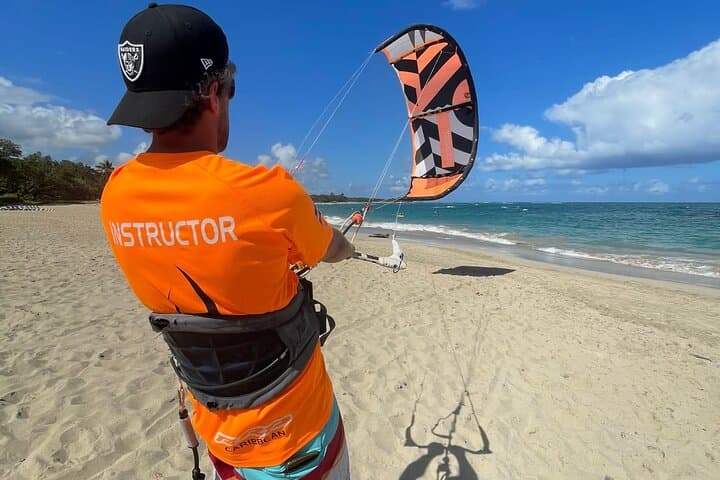
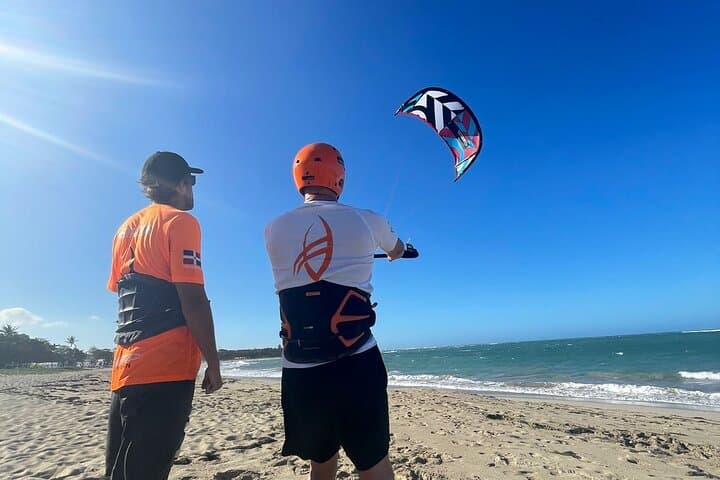
The wind arrives like a command: steady, warm, and insistent. On Kite Beach in Cabarete, lines hum and kites arc overhead while instructors coach new riders from shallow turquoise water. You begin on the sand — learning safety checks, set-up, and kite control — then move into waist-deep surf where the sea tests your timing and the wind rewards boldness.
The wind arrives like a command: steady, warm, and insistent. On Kite Beach in Cabarete, lines hum and kites arc overhead while instructors coach new riders from shallow turquoise water. You begin on the sand — learning safety checks, set-up, and kite control — then move into waist-deep surf where the sea tests your timing and the wind rewards boldness.
Cabarete’s north-coast reef and sandy spit are products of Dominican tectonics and coral growth; the shallow lagoons and protective reef create predictable, rider-friendly conditions. Once a quiet fishing village, Cabarete evolved into an international watersports hub in the late 20th century, its culture shaped by wind sports, beachfront restaurants, and a steady stream of international athletes and travelers.
Expect practical, progressive instruction: land drills, body-dragging practices, assisted water starts, then guided rides. Typical lessons run one hour with a 1:1 or 1:2 instructor ratio and use school-provided gear. Trade winds generally blow side-onshore at 12–25 knots — perfect for learning but keep an eye on gusts and onshore squalls.
Plan for sun, salt, and quick sessions — a single lesson is an introduction, not mastery. Wear a rashguard or shorty, apply reef-safe sunscreen, and hydrate before you hit the water. Listen closely during safety briefing: self-rescue and proper release procedures are what separate an awkward fall from a controlled comeback. When you stand up and the kite pulls you forward, the beach’s noise fades and the wind does the talking.