THE ADVENTURE COLLECTIVE® · Independent discovery and booking for outdoor travel

Walk Old Delhi’s narrow lanes, fly a kite off a terrace and ride a rickshaw through markets that date to the Mughal period. This four-hour tour mixes hands-on kite time with local food and guided heritage stories.
Walk Old Delhi’s narrow lanes, fly a kite off a terrace and ride a rickshaw through markets that date to the Mughal period. This four-hour tour mixes hands-on kite time with local food and guided heritage stories.
A narrow lane opens to a wash of saffron, steel bells and the high, clean snap of kite string cutting through the air. In Old Delhi the terraces are alive: children and elders, vendors and pigeons share the rooftop stage, and the pace pulls you inward. This four-hour cultural walk threads rickshaw alleys, spice-curled bazaars and an old haveli where plaster and wood keep stories of the Mughal-era marketplace.
Verified experiences and guided adventures in the surrounding area.
Operated by SITA World Tours · New Delhi, Delhi
A narrow lane opens to a wash of saffron, steel bells and the high, clean snap of kite string cutting through the air. In Old Delhi the terraces are alive: children and elders, vendors and pigeons share the rooftop stage, and the pace pulls you inward. This four-hour cultural walk threads rickshaw alleys, spice-curled bazaars and an old haveli where plaster and wood keep stories of the Mughal-era marketplace.
Old Delhi grew around Shahjahanabad, the 17th-century walled city; its streets still follow the market-led geometry of that era. The geology beneath is flat alluvial plain of the Yamuna floodplain, so expect level walking but crowded pavements. Culture here is sensory—clattering jalebis, hawkers’ calls and the mechanical glide of kite reels. You may see pigeon-keepers arranging small cages and, if timing aligns, informal competitive displays.
Practical guidance: the route includes unpaved thresholds and tight rickshaw turns, so wear closed-toe shoes and bring a small daypack. Midday sun can be fierce; hydrate and use a hat. Guides usually provide kite gear and bottled water, and hotels are picked up by AC vehicle, so the tour balances comfort with close-up immersion.
Respect local customs—ask before photographing private terraces or feeding animals. Plan around peak market hours if you want broader photo angles, and carry small change for snacks and quick purchases.
This walk delivers accessible urban adventure: tactile neighborhoods, hands-on kite time, and a living lesson in Delhi’s layered past.
moderate.
3–4 hours.
Moderate fitness—able to walk for several kilometers on flat but crowded streets and handle a short rickshaw ride
Yes—guides provide equipment and basic instruction; sessions are introductory and focus on simple flying rather than advanced tricks.
You may observe pigeon-handling or informal displays; actual fights are rare and participation is generally limited to feeding and watching under guide supervision.
Lunch or dinner is included but beverages are excluded—notify at booking about vegetarian or other dietary needs so the restaurant can accommodate you.
The tour involves moderate walking and rickshaw rides through narrow lanes and is not recommended for travelers with significant mobility issues or spinal concerns.
Old Delhi grew as Shahjahanabad in the 17th century and retains market patterns and havelis from Mughal and colonial phases, making the streets a living historical record.
Avoid feeding wildlife excessively and dispose of wrappers and kite string properly—plastic and loose string can harm birds and block drains in the densely populated area.
SITA World Tours operates guided outdoor trips and adventures with an emphasis on safety, stewardship, and memorable experiences.
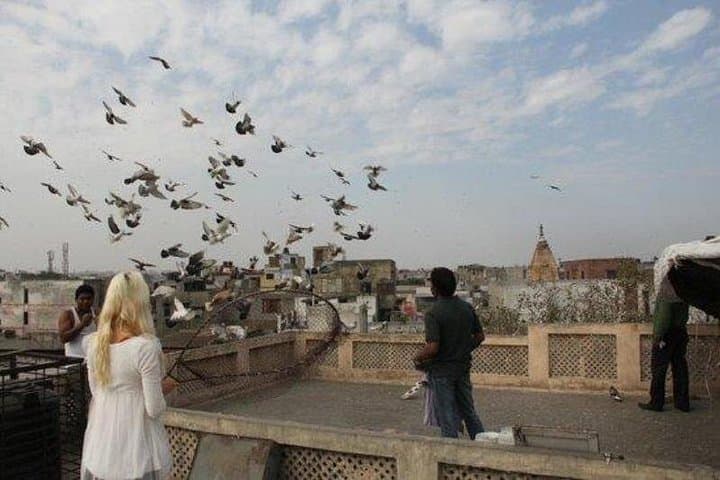
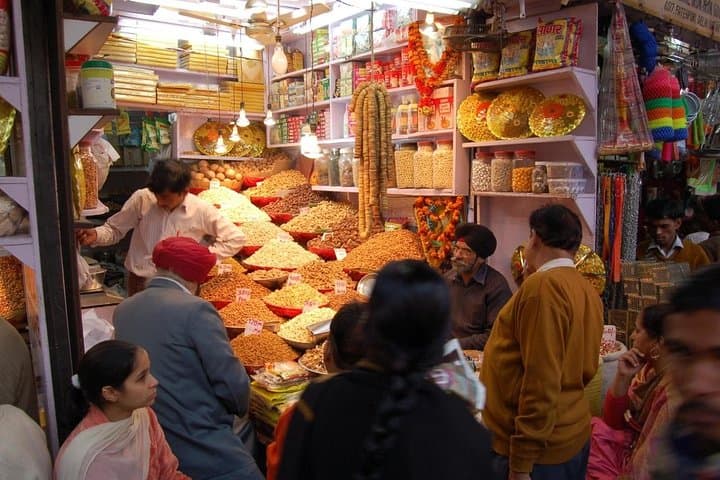


A narrow lane opens to a wash of saffron, steel bells and the high, clean snap of kite string cutting through the air. In Old Delhi the terraces are alive: children and elders, vendors and pigeons share the rooftop stage, and the pace pulls you inward. This four-hour cultural walk threads rickshaw alleys, spice-curled bazaars and an old haveli where plaster and wood keep stories of the Mughal-era marketplace.
A narrow lane opens to a wash of saffron, steel bells and the high, clean snap of kite string cutting through the air. In Old Delhi the terraces are alive: children and elders, vendors and pigeons share the rooftop stage, and the pace pulls you inward. This four-hour cultural walk threads rickshaw alleys, spice-curled bazaars and an old haveli where plaster and wood keep stories of the Mughal-era marketplace.
Old Delhi grew around Shahjahanabad, the 17th-century walled city; its streets still follow the market-led geometry of that era. The geology beneath is flat alluvial plain of the Yamuna floodplain, so expect level walking but crowded pavements. Culture here is sensory—clattering jalebis, hawkers’ calls and the mechanical glide of kite reels. You may see pigeon-keepers arranging small cages and, if timing aligns, informal competitive displays.
Practical guidance: the route includes unpaved thresholds and tight rickshaw turns, so wear closed-toe shoes and bring a small daypack. Midday sun can be fierce; hydrate and use a hat. Guides usually provide kite gear and bottled water, and hotels are picked up by AC vehicle, so the tour balances comfort with close-up immersion.
Respect local customs—ask before photographing private terraces or feeding animals. Plan around peak market hours if you want broader photo angles, and carry small change for snacks and quick purchases.
This walk delivers accessible urban adventure: tactile neighborhoods, hands-on kite time, and a living lesson in Delhi’s layered past.