THE ADVENTURE COLLECTIVE® · Independent discovery and booking for outdoor travel

Stand on Mehrangarh’s ramparts and watch black kites wheel and snatch bait against a backdrop of carved sandstone and desert scrub. This short guided experience combines the fort’s history with an up-close encounter with raptors and a walk through Rao Jodha Desert Rock Park.
Stand on Mehrangarh’s ramparts and watch black kites wheel and snatch bait against a backdrop of carved sandstone and desert scrub. This short guided experience combines the fort’s history with an up-close encounter with raptors and a walk through Rao Jodha Desert Rock Park.
On the ramparts of Mehrangarh Fort, wind meets stone and the city below becomes a checkerboard of ochre roofs. Participants stand along the thick parapets with small pieces of bait held steady on gloved hands as kites—watchful, precise—quarter the sky and descend in controlled arcs. The birds’ wings brush the air like slow shutters; claws meet bait; the moment is visceral, a reminder of predator and city sharing a skyline.
Verified experiences and guided adventures in the surrounding area.
Operated by SITA World Tours · Jodhpur, Rajasthan
On the ramparts of Mehrangarh Fort, wind meets stone and the city below becomes a checkerboard of ochre roofs. Participants stand along the thick parapets with small pieces of bait held steady on gloved hands as kites—watchful, precise—quarter the sky and descend in controlled arcs. The birds’ wings brush the air like slow shutters; claws meet bait; the moment is visceral, a reminder of predator and city sharing a skyline.
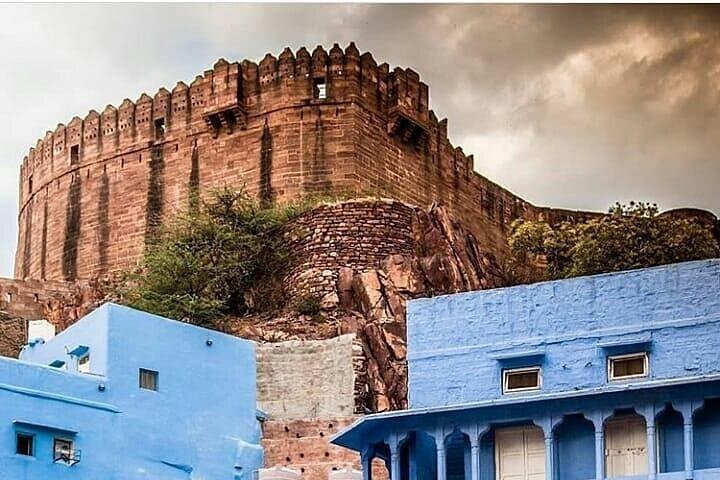
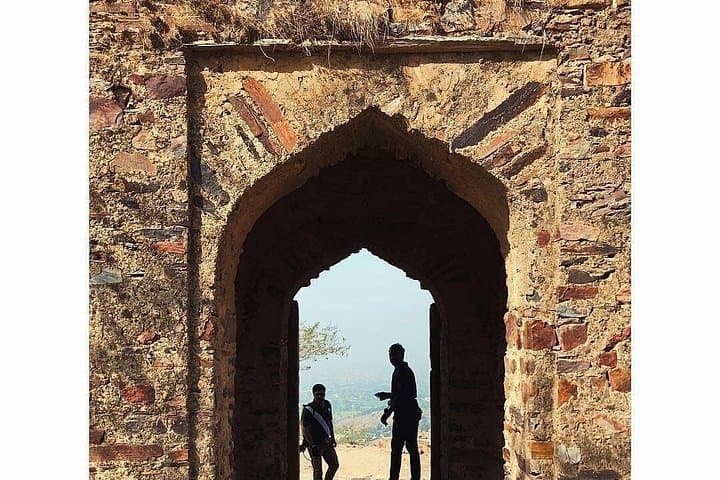
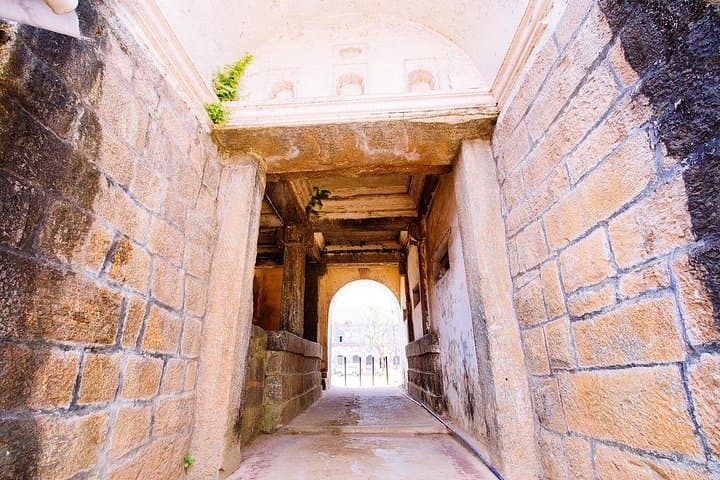
Mehrangarh, raised in 1460 by Rao Jodha, is a fortress of carved sandstone and layered gates—an architectural record of Rajasthan’s martial courts. The surrounding geology is ancient basalt outcrop; the fort was sited on high, dry rock that favored defense and created microhabitats now being restored in the adjacent Rao Jodha Desert Rock Park. The park’s reclaiming of native xeric plants offers a contrast to the urban bustle below and a chance to spot rock-adapted fauna.
Practically, the activity is short and focused: a guided hour at the park followed by an hour on the ramparts for kite feeding. Expect firm walking surfaces, steps, and strong sun; guides provide instruction and bait, and transport and entry are typically arranged. Wear sturdy shoes and a brimmed hat, and use gloves or the provided protection when offering bait—the birds are bold and fast.
This experience blends wildlife observation with cultural context—an up-close encounter that asks for calm, respect for the birds, and basic readiness for heat and stairs. It’s a compact, intense way to see both Mehrangarh’s fortifications and the city’s aerial life.
moderate.
2 hours.
Should be comfortable with short walks and climbing stairs; moderate fitness recommended
No—guides instruct participants on safe bait presentation; no prior experience is necessary.
Children can usually participate but must be supervised; organizers may have age or lap-seat policies for infants.
Typical inclusions are entry to Mehrangarh Fort, Rao Jodha Desert Rock Park visit, kite-feeding activity, bottled water, light refreshments, guide, and private transport with hotel pickup and drop-off.
Yes—booking often requires passport details and travelers should carry ID on the day, especially for ticketing and security.
Mehrangarh Fort was founded in 1460 by Rao Jodha and expanded over centuries into a complex of palaces, galleries, and defensive ramparts.
Rao Jodha Desert Rock Park is an active restoration project removing invasive Prosopis juliflora to recover native desert flora and fauna; visitors are asked to stick to trails and avoid feeding wildlife.
SITA World Tours operates guided outdoor trips and adventures with an emphasis on safety, stewardship, and memorable experiences.
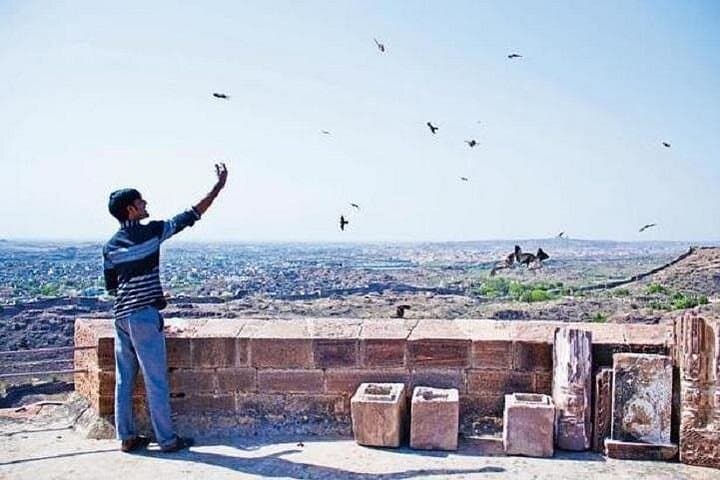
On the ramparts of Mehrangarh Fort, wind meets stone and the city below becomes a checkerboard of ochre roofs. Participants stand along the thick parapets with small pieces of bait held steady on gloved hands as kites—watchful, precise—quarter the sky and descend in controlled arcs. The birds’ wings brush the air like slow shutters; claws meet bait; the moment is visceral, a reminder of predator and city sharing a skyline.
On the ramparts of Mehrangarh Fort, wind meets stone and the city below becomes a checkerboard of ochre roofs. Participants stand along the thick parapets with small pieces of bait held steady on gloved hands as kites—watchful, precise—quarter the sky and descend in controlled arcs. The birds’ wings brush the air like slow shutters; claws meet bait; the moment is visceral, a reminder of predator and city sharing a skyline.
Mehrangarh, raised in 1460 by Rao Jodha, is a fortress of carved sandstone and layered gates—an architectural record of Rajasthan’s martial courts. The surrounding geology is ancient basalt outcrop; the fort was sited on high, dry rock that favored defense and created microhabitats now being restored in the adjacent Rao Jodha Desert Rock Park. The park’s reclaiming of native xeric plants offers a contrast to the urban bustle below and a chance to spot rock-adapted fauna.
Practically, the activity is short and focused: a guided hour at the park followed by an hour on the ramparts for kite feeding. Expect firm walking surfaces, steps, and strong sun; guides provide instruction and bait, and transport and entry are typically arranged. Wear sturdy shoes and a brimmed hat, and use gloves or the provided protection when offering bait—the birds are bold and fast.
This experience blends wildlife observation with cultural context—an up-close encounter that asks for calm, respect for the birds, and basic readiness for heat and stairs. It’s a compact, intense way to see both Mehrangarh’s fortifications and the city’s aerial life.