THE ADVENTURE COLLECTIVE® · Independent discovery and booking for outdoor travel

Two days in Kisoro weave volcanic views, Batwa cultural trails, coffee farm visits and a canoe across Lake Mutanda. Expect crisp highland mornings, community-led experiences, and accessible but varied terrain.
Two days in Kisoro weave volcanic views, Batwa cultural trails, coffee farm visits and a canoe across Lake Mutanda. Expect crisp highland mornings, community-led experiences, and accessible but varied terrain.
Morning mist curls off Lake Mutanda as three volcanic ridges cut the skyline; reed beds whisper and the water dares you to cross its glassy skin. In Kisoro, two days unfold between cultivated slopes, village lanes, and peaks that push clouds aside — a compact window into southwestern Uganda’s highland life.
Verified experiences and guided adventures in the surrounding area.
Operated by Gagan Tours · Kisoro, Kisoro District
Morning mist curls off Lake Mutanda as three volcanic ridges cut the skyline; reed beds whisper and the water dares you to cross its glassy skin. In Kisoro, two days unfold between cultivated slopes, village lanes, and peaks that push clouds aside — a compact window into southwestern Uganda’s highland life.
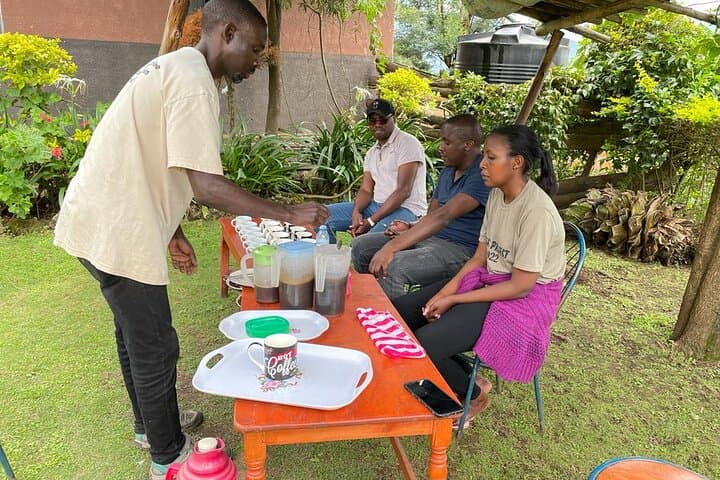
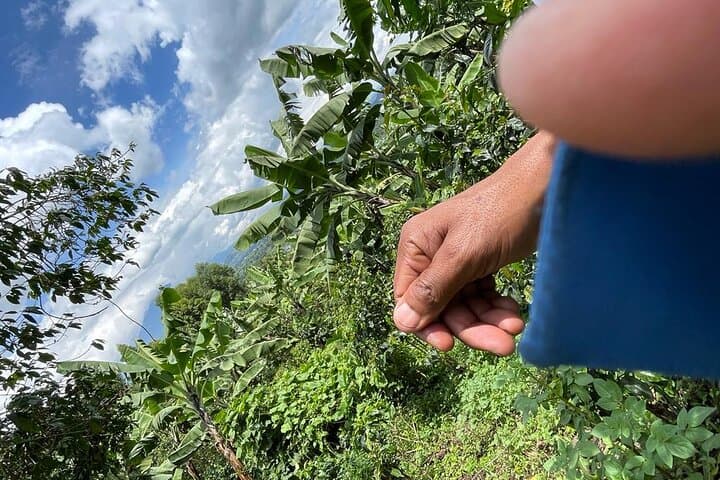
The region sits on the western edge of the Albertine Rift where volcanoes and ancient forests shaped local culture. The Batwa — forest people with deep oral traditions — offer guided trails that reveal sacred caves, hunting lore, and dances tied to seasonal cycles. Coffee farms cling to terraces on volcanic soils; farmers will show you pulping, drying and roasting methods that fuel the area’s economy and flavor profile.
Expect gentle walking, short village hikes, a canoe glide on Mutanda at sunset, and an optional zipline for the adventurous. Kisoro town sits near 1,950 m (about 6,400 ft), so mornings are crisp and afternoons warm; trails are mostly earth and grass with occasional rocky sections. Days are practical: resilient shoes, layered clothing, and a refillable water bottle will keep you moving through mud, sun and sudden mountain breezes.
Plan for locally prepared lunches, community-led experiences, and modest driving between sites. Respect Batwa cultural protocols, carry small bills for markets and tips, and give yourself time to absorb shifting light across crater lakes. This is an immersive, low-impact trip that trades long distances for texture — close encounters with people, coffee, and the volcanic spine that shapes their lives.
easy.
2 days.
Suitable for most fitness levels; requires light walking, short hikes and the ability to board a canoe or short vehicle rides
Kisoro is about 8–10 hours by road from Kampala; many visitors fly into Kihihi or Kisoro airstrips or book private transfers to shorten travel time.
Choose community-led experiences that compensate hosts directly; ask operators about benefit-sharing and avoid activities that treat culture as spectacle.
Routine travel vaccines are recommended and a yellow fever certificate may be required on entry to Uganda; no special permits are needed for the cultural and coffee visits, though gorilla tracking (nearby) requires timed permits purchased separately.
Kisoro’s elevation (~1,950 m) can cause mild breathlessness for some; allow a day to acclimate and avoid heavy exertion on arrival if sensitive to altitude.
Kisoro sits on the Albertine Rift and has long been a crossroads for Bakiga farmers and the indigenous Batwa, both shaped by volcanic soils and forest resources.
Tourism supports conservation and community livelihoods here; travelers should follow park rules, avoid single-use plastics, and opt for operators that reinvest in local projects.
Gagan Tours operates guided outdoor trips and adventures with an emphasis on safety, stewardship, and memorable experiences.

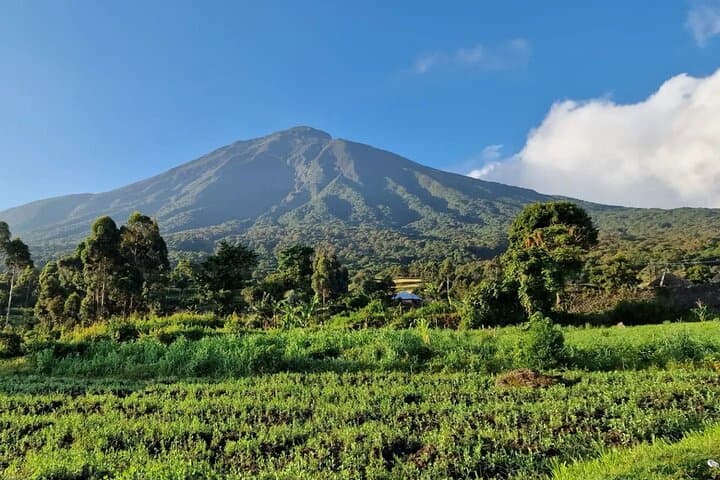
Morning mist curls off Lake Mutanda as three volcanic ridges cut the skyline; reed beds whisper and the water dares you to cross its glassy skin. In Kisoro, two days unfold between cultivated slopes, village lanes, and peaks that push clouds aside — a compact window into southwestern Uganda’s highland life.
Morning mist curls off Lake Mutanda as three volcanic ridges cut the skyline; reed beds whisper and the water dares you to cross its glassy skin. In Kisoro, two days unfold between cultivated slopes, village lanes, and peaks that push clouds aside — a compact window into southwestern Uganda’s highland life.
The region sits on the western edge of the Albertine Rift where volcanoes and ancient forests shaped local culture. The Batwa — forest people with deep oral traditions — offer guided trails that reveal sacred caves, hunting lore, and dances tied to seasonal cycles. Coffee farms cling to terraces on volcanic soils; farmers will show you pulping, drying and roasting methods that fuel the area’s economy and flavor profile.
Expect gentle walking, short village hikes, a canoe glide on Mutanda at sunset, and an optional zipline for the adventurous. Kisoro town sits near 1,950 m (about 6,400 ft), so mornings are crisp and afternoons warm; trails are mostly earth and grass with occasional rocky sections. Days are practical: resilient shoes, layered clothing, and a refillable water bottle will keep you moving through mud, sun and sudden mountain breezes.
Plan for locally prepared lunches, community-led experiences, and modest driving between sites. Respect Batwa cultural protocols, carry small bills for markets and tips, and give yourself time to absorb shifting light across crater lakes. This is an immersive, low-impact trip that trades long distances for texture — close encounters with people, coffee, and the volcanic spine that shapes their lives.