THE ADVENTURE COLLECTIVE® · Independent discovery and booking for outdoor travel

A single-day summer circuit from Nagoya that pairs a riverside hike through Tsukechi Gorge with an intimate Kabuki theater tour and time in Magome-juku on the historic Nakasendo. Expect waterfalls, wooden post-town streets, and practical cultural context.
A single-day summer circuit from Nagoya that pairs a riverside hike through Tsukechi Gorge with an intimate Kabuki theater tour and time in Magome-juku on the historic Nakasendo. Expect waterfalls, wooden post-town streets, and practical cultural context.
You step off the bus into a pocket of mountain air and the gorge takes over: water hurling itself down mossy chutes, a narrow trail threading between cedar trunks, and a guide who points out where the river dares you to follow. The first hour through Tsukechi Gorge is quietly kinetic — waterfalls roar, cliffs lean in, and the trail alternates between smooth rock and root-laced steps.
Verified experiences and guided adventures in the surrounding area.
Operated by Snow Monkey Resorts Tours (Machinovate Japan Ltd.) · Nakatsugawa, Gifu
You step off the bus into a pocket of mountain air and the gorge takes over: water hurling itself down mossy chutes, a narrow trail threading between cedar trunks, and a guide who points out where the river dares you to follow. The first hour through Tsukechi Gorge is quietly kinetic — waterfalls roar, cliffs lean in, and the trail alternates between smooth rock and root-laced steps.
This route threads together distinct layers of regional history. The Kiso Valley sits on the old Nakasendo, the inland highway that linked Edo and Kyoto; Magome-juku preserves the wooden storefronts and waterwheels of that post town era. The Kabuki theater visit offers a cultural counterpoint: centuries-old performance traditions, lacquered stage mechanisms, and the chance to meet a performer who explains costume and vocal technique.
Geology here is folded schist and sandstone carved by the Kiso River system; expect steep gullies and microclimates favoring ferns and river mosses. Local culture remains hands-on — small shops selling gohei-mochi and crafted souvenirs support conservation of the trail and theater.
Practical guidance: this is a full-day, summer-only excursion (roughly 9–10 hours) with moderate walking on uneven surfaces; bring a bento (buy in Nagoya before departure), 1–2 liters of water, sun protection, and steady footwear. Expect periods of shade in the gorge and hot, exposed sections in the post town. The guide handles transportation and admissions, but personal mobility limits or serious back/heart conditions make this tour unsuitable. Start early, leave no trace, and plan for a late return to Nagoya.
moderate.
9–10 hours.
Moderate fitness: comfortable walking on uneven terrain, some short uphill sections, and standing during the theater visit.
No — lunch is not provided; participants should buy a bento or packed lunch before departing Nagoya and eat on the trail when the guide pauses.
Expect multiple short walks: about an hour in Tsukechi Gorge and time strolling Magome’s main street, plus transfers; total walking is moderate with uneven terrain.
Children who can handle an hour of uneven trail are fine, but the tour is not recommended for people with significant mobility, spinal, or cardiac issues.
An English-speaking guide leads the tour and provides explanations at each stop.
The route follows parts of the Nakasendo, the historic inland road connecting Edo (Tokyo) and Kyoto; Magome-juku served as a mountain post town for travelers and traders.
Stick to marked trails, pack out trash, and support local businesses to help maintain trail upkeep and cultural sites.
Snow Monkey Resorts Tours (Machinovate Japan Ltd.) operates guided outdoor trips and adventures with an emphasis on safety, stewardship, and memorable experiences.
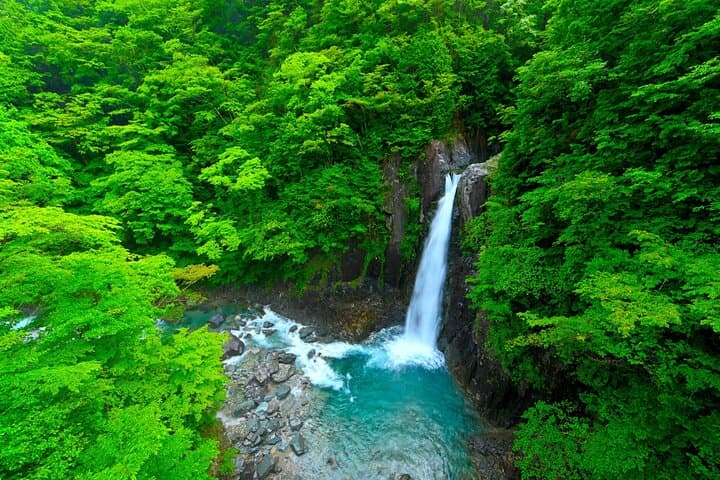


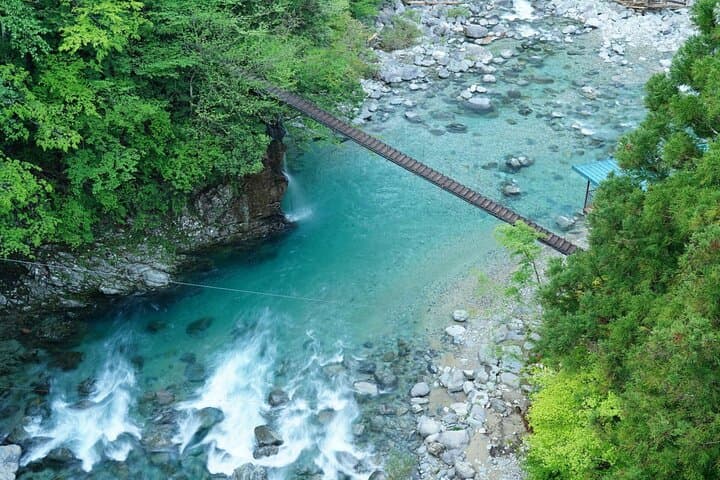
You step off the bus into a pocket of mountain air and the gorge takes over: water hurling itself down mossy chutes, a narrow trail threading between cedar trunks, and a guide who points out where the river dares you to follow. The first hour through Tsukechi Gorge is quietly kinetic — waterfalls roar, cliffs lean in, and the trail alternates between smooth rock and root-laced steps.
You step off the bus into a pocket of mountain air and the gorge takes over: water hurling itself down mossy chutes, a narrow trail threading between cedar trunks, and a guide who points out where the river dares you to follow. The first hour through Tsukechi Gorge is quietly kinetic — waterfalls roar, cliffs lean in, and the trail alternates between smooth rock and root-laced steps.
This route threads together distinct layers of regional history. The Kiso Valley sits on the old Nakasendo, the inland highway that linked Edo and Kyoto; Magome-juku preserves the wooden storefronts and waterwheels of that post town era. The Kabuki theater visit offers a cultural counterpoint: centuries-old performance traditions, lacquered stage mechanisms, and the chance to meet a performer who explains costume and vocal technique.
Geology here is folded schist and sandstone carved by the Kiso River system; expect steep gullies and microclimates favoring ferns and river mosses. Local culture remains hands-on — small shops selling gohei-mochi and crafted souvenirs support conservation of the trail and theater.
Practical guidance: this is a full-day, summer-only excursion (roughly 9–10 hours) with moderate walking on uneven surfaces; bring a bento (buy in Nagoya before departure), 1–2 liters of water, sun protection, and steady footwear. Expect periods of shade in the gorge and hot, exposed sections in the post town. The guide handles transportation and admissions, but personal mobility limits or serious back/heart conditions make this tour unsuitable. Start early, leave no trace, and plan for a late return to Nagoya.